

 |
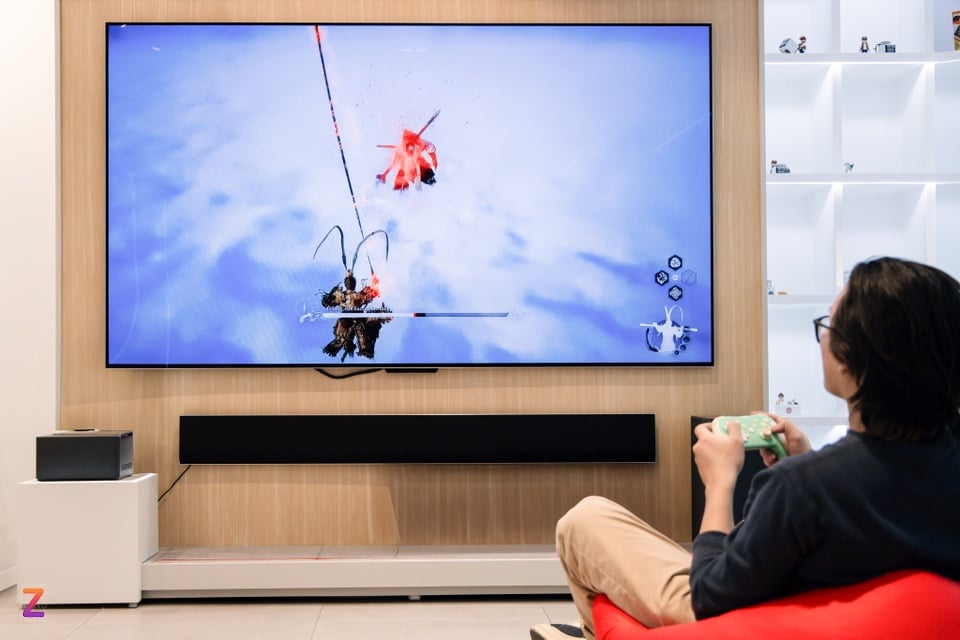
OLED has overtaken LED, becoming the dominant choice in the high-end TV segment. |
The high-end TV market has been caught between two opposing trends for many years. LG has focused on OLED, continuously improving it to overcome weaknesses in brightness and panel durability. Samsung, on the other hand, prioritizes LED, increasing resolution to 8K along with mini-LED and micro-LED solutions.
Sony has yet to decide on a direction, having launched its flagship Bravia 9 last year using MiniLED backlighting, following the success of the A series using OLED in 2023.
However, market share indicators show that global consumers' TV purchasing trends lean towards display quality over resolution. The increasingly accessible price of OLED gives it a significant advantage over liquid crystal solutions. Following LG, Samsung is also selling OLED TVs in more markets. However, they still lag behind their domestic competitor in terms of market share.
According to Omdia 's report, over 2 million OLED TVs were sold globally in Q4 2024, the highest ever recorded, a 12.6% increase compared to the same period last year. LG was the top seller last year, with over 3.18 million units. The company has also led the OLED market for 12 years, currently holding over 50% of the global market share. A GfK report shows similar trends in Vietnam, where LG currently holds 64% of the domestic market share, far ahead of Samsung, Sony, and Caspers.
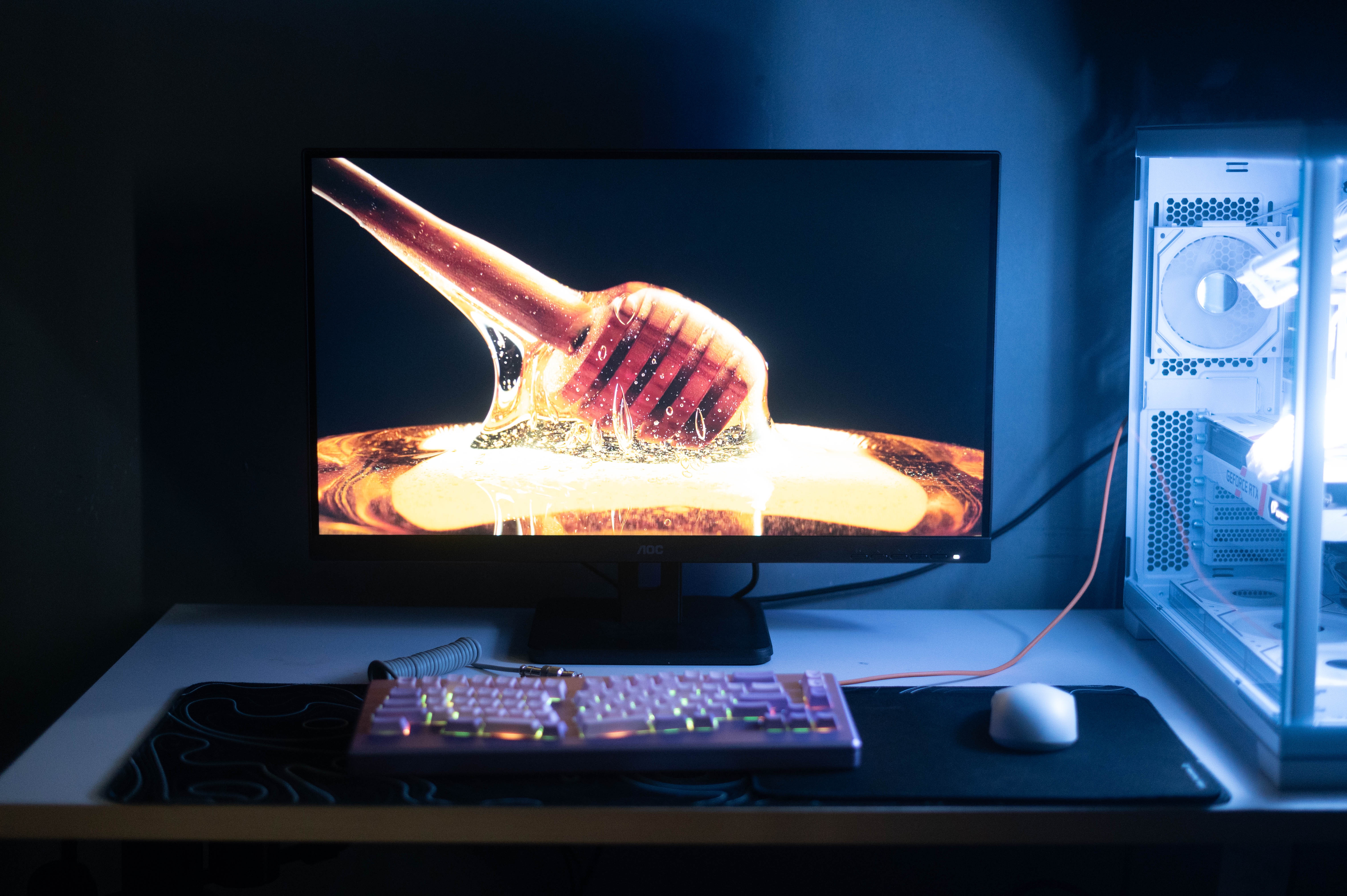 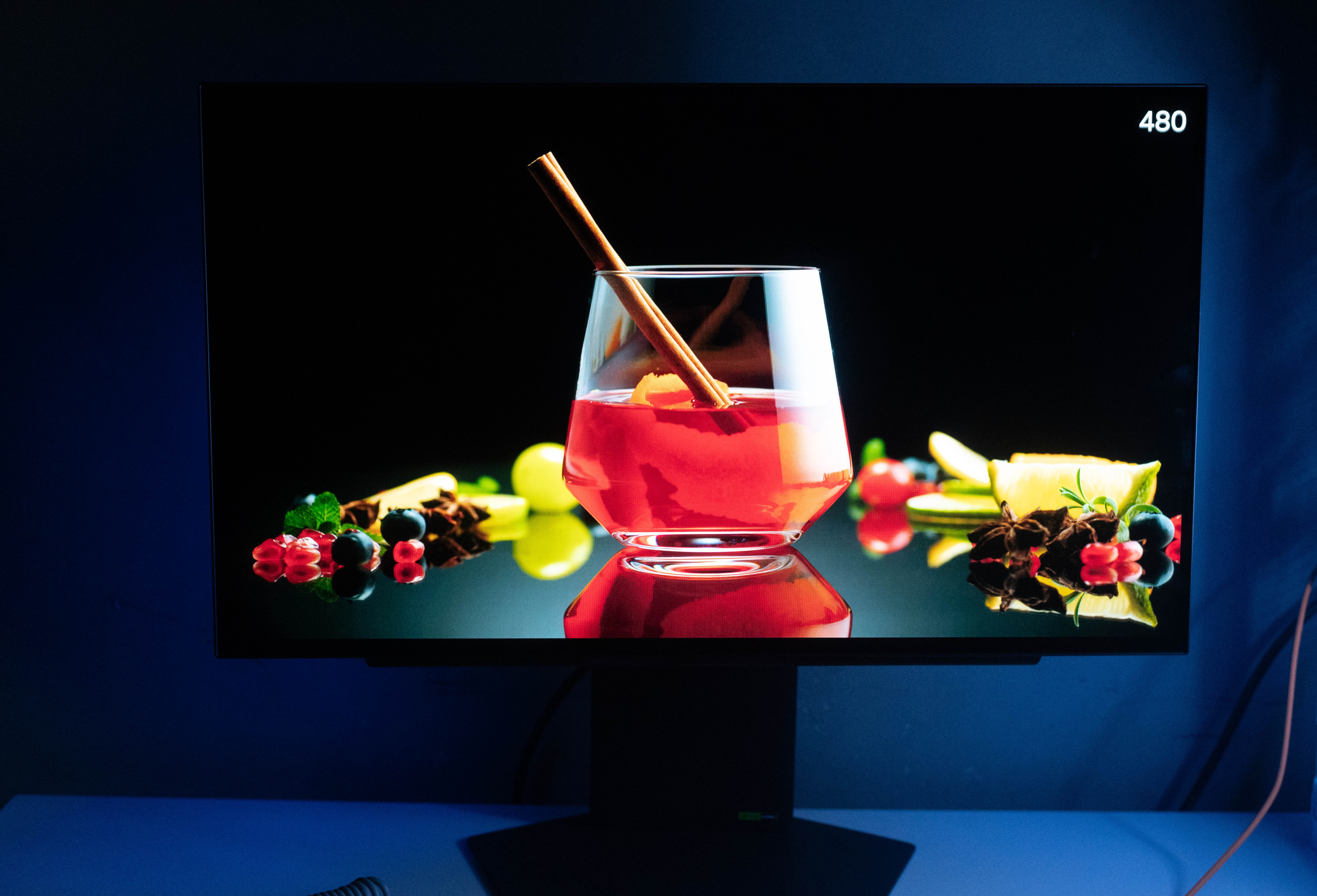 |
The difference between LED (front) and OLED (rear) when displaying the same type of content. |
Technologically, OLEDs contain independent light-emitting diodes. This allows them to be completely switched off, resulting in absolute black levels compared to the gray tones of LCDs. Beyond contrast, the color range of OLED TVs is considered superior due to their display capabilities.
When first introduced, this solution faced concerns about its applicability. Bio-diodes have a short lifespan and can degrade after prolonged use. OLEDs also have a lower maximum brightness than LED TVs. The high price makes it difficult to popularize the product.
However, these issues have now been resolved. MLA solutions and mini-LED backlighting have improved brightness. The lifespan of new OLED displays is also comparable to LCDs.
In Vietnam, brand and product differentiation is becoming increasingly apparent. The high-end group, including LG, Samsung, and Sony, sells well in the price segments above 15 million VND, boasting advanced technology. These brands also offer long warranty periods for their electronic products.
In the budget segment, Chinese manufacturers dominate in terms of the number of brands and models. Typical examples include TCL, Cooca, Hisense, and Xiaomi. They focus on products priced between 6 and 15 million VND, often offering better specifications than their South Korean counterparts. However, the technology they use typically only reaches LED or QLED levels, making it difficult to compete in the higher-end segment.






































































Comment (0)