


The group expects to restore approximately 550,000 barrels of oil per day (corresponding to one-third of the remaining voluntary cuts of 1.65 million barrels per day) through three monthly increases.
Following a meeting on May 3rd, seven countries – Saudi Arabia, Russia, Iraq, Kuwait, Algeria, Kazakhstan, and Oman – agreed to increase production by an additional 188,000 barrels per day in June 2026. This move comes shortly after the UAE left OPEC and OPEC+ on May 1st, reducing the group's supply.
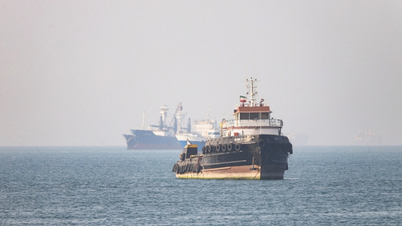
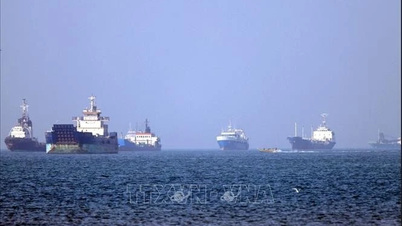
However, many delegates argued that the increases were largely "on paper" to maintain continuity in the group's decision-making. This is because the Middle East conflict in late February 2026 led to a near-blockade of the Strait of Hormuz, disrupting the shipping of about one-fifth of global seaborne crude oil. According to the EIA, OPEC+'s spare capacity is currently near zero in the second quarter of 2026.
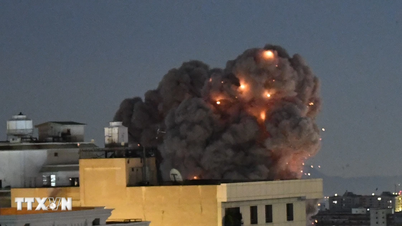
Prior to the Middle East conflict, the group had a spare capacity of approximately 5 million barrels per day, primarily located in Saudi Arabia, Kuwait, and the UAE. Currently, only Saudi Arabia still has the capacity to increase production via pipelines to the Red Sea, while many other countries are constrained by conflict and damaged oil and gas infrastructure due to drone attacks.
Although alternative pipeline routes exist, they cannot fully compensate for the disruptions through the Strait of Hormuz, so current quota increases are merely technical and a test of the members' practical capabilities, while actual production will depend on the development of the conflict and the ability to restore exports.
Source: https://baotintuc.vn/kinh-te/opec-len-ke-hoach-tang-dan-san-luong-dau-20260515062534338.htm


























































































Comment (0)