

Basic concepts of 18K gold and 9999 gold.
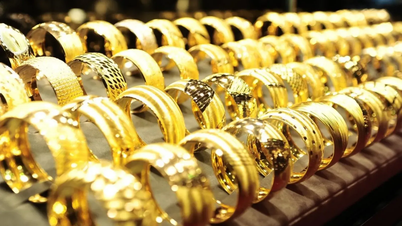
18K gold is an alloy containing approximately 75% pure gold and 25% other metals such as copper, silver, or zinc. These metals help increase the hardness and durability of gold, making it ideal for crafting intricately detailed jewelry.
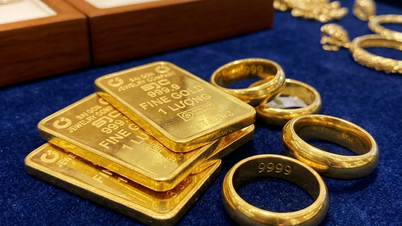
9999 gold, also known as pure gold or 24K gold, has a purity of up to 99.99%. This is the purest type of gold, softer than 18K gold but with a higher value, often used to make gold bars, plain gold rings, or for investment and storage purposes.

Purity and physical properties
The difference in gold content results in two types of gold having very different physical characteristics. 18K gold is hard, difficult to deform, less prone to scratches, and easy to shape. Meanwhile, 9999 gold is soft and easily dented if subjected to strong impact.
The higher the purity, the deeper and brighter the gold color with a reddish tint. 18K gold typically has a pale yellow or slightly pinkish hue depending on the metal alloy ratio. This is why high-end jewelry often chooses 18K gold, as it ensures both durability and a fashionable appearance.
Conversely, 9999 gold has a deeper yellow color and a characteristic natural shine. However, its softness makes it less suitable for complex rings or bracelets, and it is mainly used in the form of plain rings or gold bars.
The value and practical applications of the two types of gold.
In the Vietnamese market, the price of 9999 gold is often considered the benchmark for other types of gold. Due to its almost absolute gold content, its value fluctuates with world gold prices and is often chosen by investors as a safe store of value.
18K gold is suitable for aesthetic purposes and jewelry design. The price of 18K gold is lower than 9999 gold due to its lower gold content and is also heavily influenced by manufacturing costs. Buyers of 18K gold jewelry are primarily interested in aesthetics and less focused on its investment value.
How to identify and distinguish between 18K gold and 9999 gold.
Consumers can identify genuine gold by its color and engraved markings. 18K gold is usually marked "18K" or "750," while 9999 gold is engraved "9999" or "24K."
With the naked eye, it's difficult to distinguish accurately because light and the plating can make 18K gold look very similar to pure gold. The safest way is to have a reputable store test the gold's purity using a luminescence analyzer or acid-based testing.
Advice on choosing and investing.
If the goal is investment, long-term savings, or dowry, 9999 gold is the optimal choice due to its stability and high value. Buyers should choose reputable brands and keep the receipts and certificates for convenience when reselling.
Meanwhile, 18K gold is more suitable for aesthetic purposes. Jewelry made from 18K gold can retain its color well, withstand impacts, is less prone to warping, and allows for a wide variety of designs.
Both types of gold have their own place in the market and in consumer habits. Understanding the characteristics of each type will help buyers use their money wisely, ensuring both economic value and satisfying aesthetic needs or safe investment.
Source: https://vietnamnet.vn/phan-biet-vang-18k-va-vang-9999-hieu-dung-de-mua-khong-nham-2519139.html





![[Photo] General Secretary and President To Lam and the President of the Philippines hold talks.](https://vphoto.vietnam.vn/thumb/1200x675/vietnam/resource/IMAGE/2026/06/01/1780286997787_anh-man-hinh-2026-06-01-luc-11-09-43.png)




































































































Comment (0)