High productivity, reduced costs, green growth.
The application of high technology (HT) has led to a significant increase in agricultural production per unit of cultivated land. Specifically, by 2025, rice production is projected to reach 4 million tons, a 14% increase compared to 2020, with an average yield of over 63 quintals/hectare, of which high-quality rice will account for approximately 70%, contributing to food security. Lemon cultivation will exceed 12,400 hectares, a 9% increase, and production will increase by 49% compared to 2020. Dragon fruit production is expected to reach 216,000 tons, vegetables 578,700 tons, and brackish water shrimp 15,600 tons.
These figures not only demonstrate the effectiveness of applying high technology but also affirm Tay Ninh's position as a region producing high-quality agricultural products for export markets.
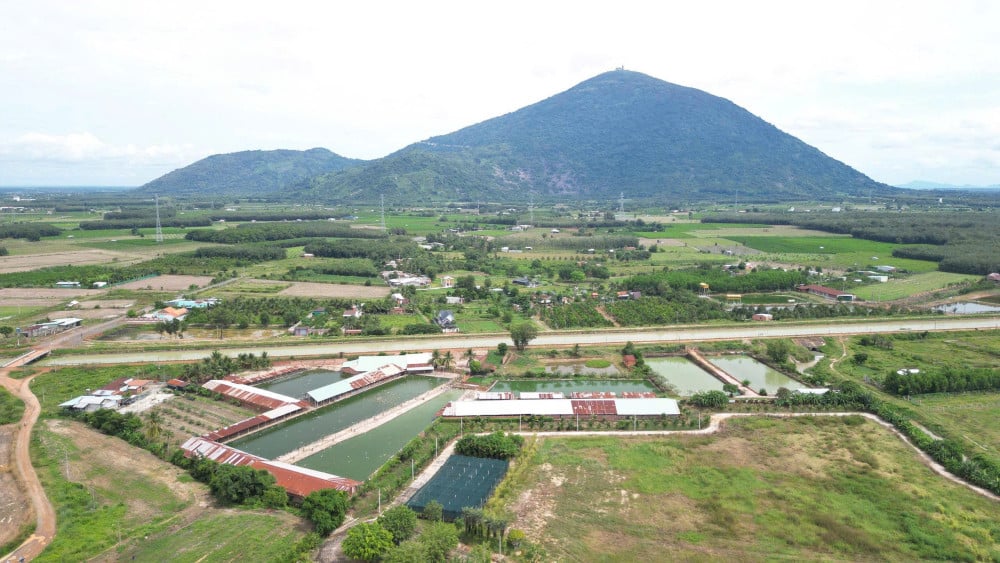
Currently, the province has approximately 3,376 hectares certified under VietGAP, 509 hectares certified under GlobalGAP, and 32 hectares certified as organic, with an annual production of about 71,575 tons.
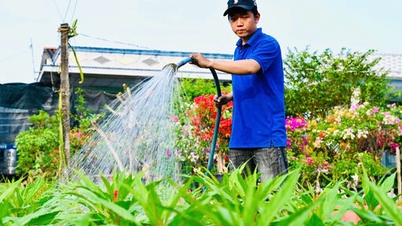
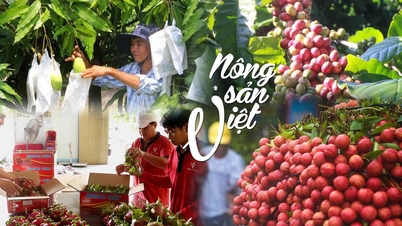
Thanh Loi commune is one of the localities with the largest lemon growing area in the province. Currently, the entire commune has 4,300 hectares of lemons, of which nearly 1,000 hectares are grown using high-tech methods. Farmers participating in the high-tech lemon growing area have all undergone training courses on the transfer of science and technology. As a result, they know how to keep production logs, use fertilizers and pesticides rationally, and especially focus on product quality rather than chasing high yields.
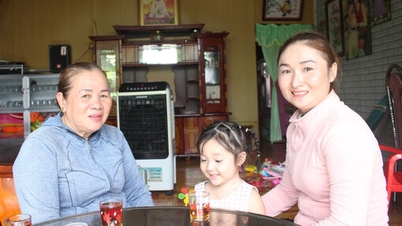
Ms. Nguyen Thi Yen (residing in Thanh Loi commune) shared: “My family cultivates 4 hectares of lemons according to GlobalGAP standards. Thanks to production according to these standards, the lemons pass inspections and are free of pesticide residues, achieving food safety certification and traceability. As a result, the selling price of lemons is 3,000-5,000 VND/kg higher than outside. The economic efficiency for lemon growers participating in the model during the business phase is improved, with initial investment costs reduced by 3-5 million VND/ha and profits increasing by 21.5-50 million VND/ha.”
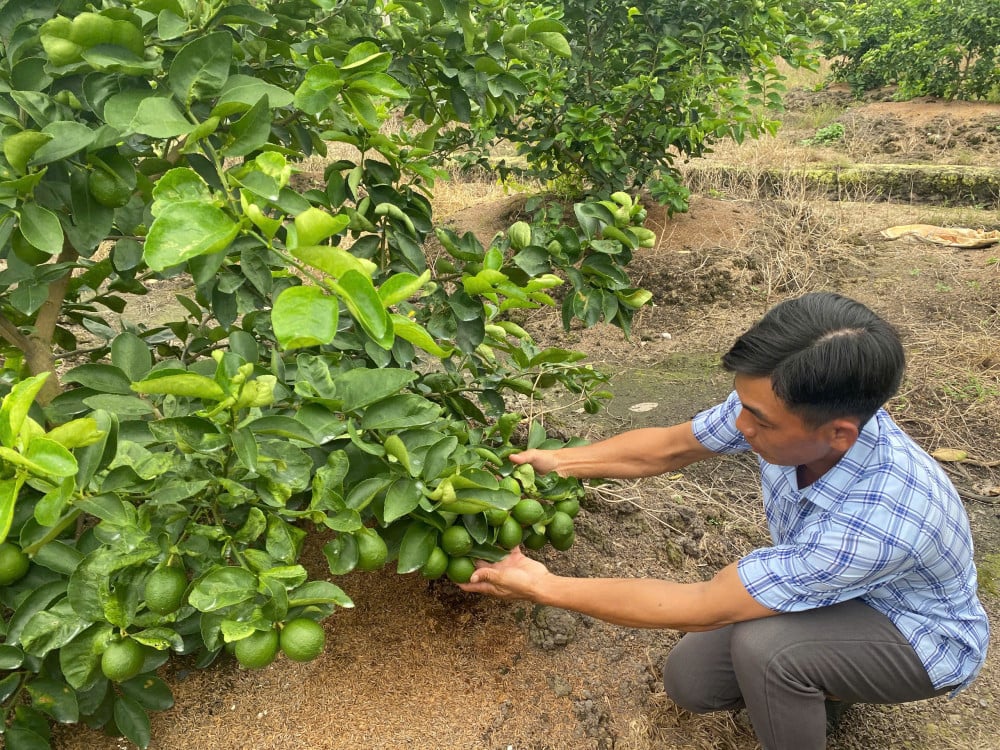
Currently, the area planted with lemons is over 12,400 hectares, an increase of 9%, and production has increased by 49% compared to 2020.
To better meet market demands, the State also supports businesses in the agricultural sector and cooperatives in applying technological advancements to production, building safe food supply chains, developing raw material areas, etc.


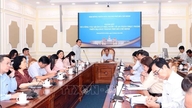
Currently, the province has approximately 3,376 hectares certified under VietGAP, 509 hectares certified under GlobalGAP, and 32 hectares certified as organic, with an annual production of about 71,575 tons; more than 95 establishments apply advanced quality management systems according to HACCP, ISO 22000, BRC, and HALAL standards in the preliminary processing and processing of agricultural products; 6 enterprises have been recognized for applying high-tech agriculture; 41 safe food supply chains for vegetables, meat, rice, dragon fruit, and seafood; 422 planting area codes and 179 packaging facility codes are currently operating for export to South Korea, Japan, the United States, Australia, New Zealand, the EU, Russia, the United Kingdom, China, the Netherlands, etc.
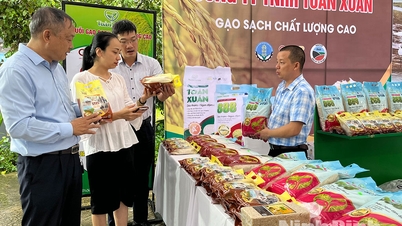
According to Duong Hoai An, Director of Kien Binh Agricultural Service Cooperative (Tan Thanh commune): “The cooperative has just exported a container of rice to Japan. To get the cooperative's rice into a demanding market like Japan, cooperative members had to change their production practices towards clean, organic farming.”
Initially, farmers will face difficulties, but in the long run, organic farming will help improve soil quality, nurture beneficial organisms, contribute to reducing production costs, and increase the value of rice grains. Currently, the cooperative has nearly 30 hectares of land cultivated organically, and plans to further increase production for export to the Japanese market in the next harvest season.”
The inevitable direction of sustainable agriculture.
VietGAP refers to regulations on good agricultural production practices issued by the Ministry of Agriculture and Rural Development (now the Ministry of Agriculture and Environment) for each crop, livestock, and aquaculture product and product group.
This standard encompasses regulations on agricultural production practices, specifically the sequence, principles, and procedures to guide individuals and organizations in production, harvesting, and preliminary processing to ensure safety, improve product quality, protect the health of people and producers, safeguard the environment, and ensure product traceability.
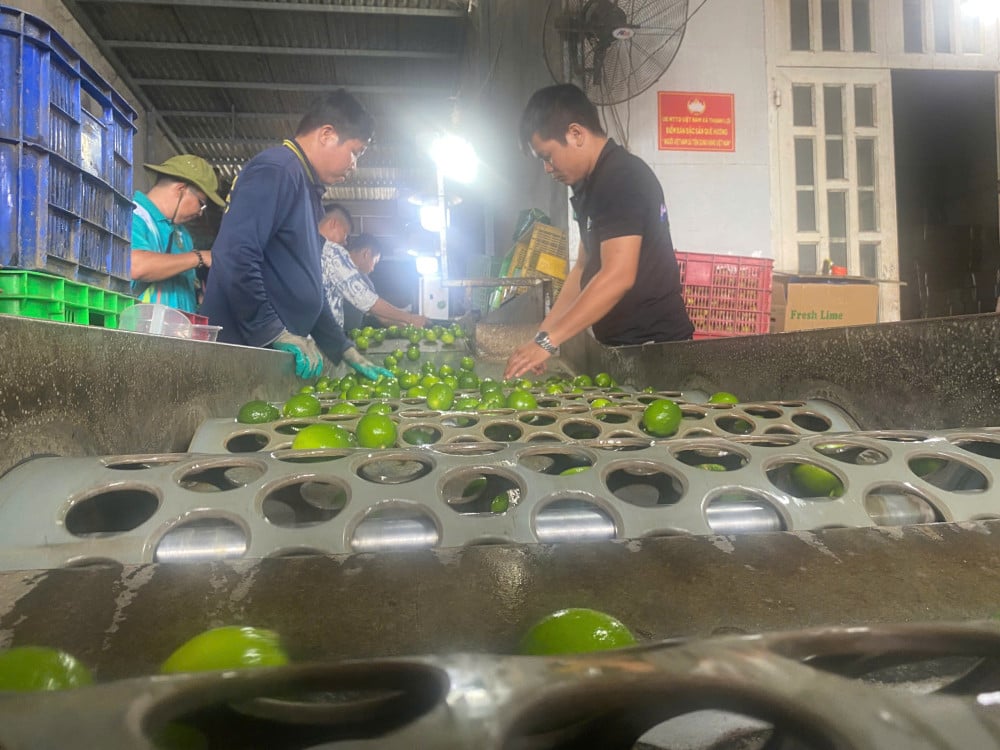
Agricultural products from Tay Ninh have been exported to markets such as South Korea, Japan, the United States, Australia, New Zealand, the EU, Russia, the United Kingdom, China, and the Netherlands, among others.
Producing agricultural products according to Good Agricultural Practices (VietGAP, GlobalGAP) is an essential step to improve the quality of agricultural products, expand markets, and ensure consumers have access to clean and safe products. In fact, both domestic and international markets are now paying close attention to the traceability of agricultural products.
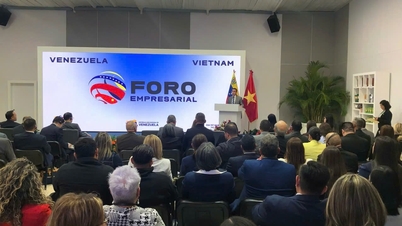
Mr. Ta Duc Minh, Commercial Counselor in Japan, emphasized: “Not only Japan but also Asian businesses have strict requirements regarding product quality, standardized production processes, and brand building, especially products that are closely linked to local culture and identity to create a lasting impression. Therefore, even a small quality issue can affect long-term reputation. That is why we recommend that businesses in Tay Ninh proactively obtain HACCP, ISO, and GlobalGAP certifications to gain an advantage; build distinctive product brands such as Tay Ninh fruits;…”



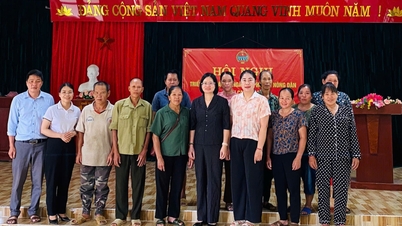
With the current trend towards safe agricultural production, localities have been actively promoting and encouraging farmers to further improve their skills and expand production areas according to VietGAP and GlobalGAP standards, adapting them to local conditions. In addition, they are strengthening training for local officials to advise and guide farmers in applying VietGAP and GlobalGAP standards; planning safe production areas; and developing certified production-supply chain models, as well as models for linking agricultural production and consumption, with businesses as the core.
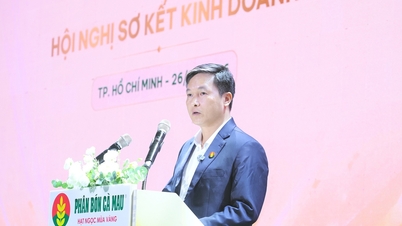
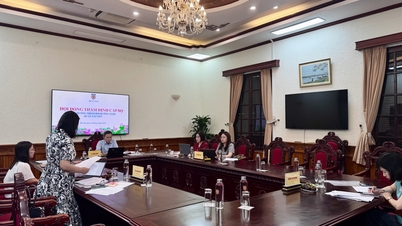
Speaking at the conference summarizing agricultural production in 2025 and implementing the 2025-2026 Winter-Spring crop production plan, Vice Chairman of the Provincial People's Committee Nguyen Minh Lam emphasized: “Farmers are aware that production according to VietGAP and GlobalGAP standards brings sustainable efficiency and contributes to increasing product prices. However, although the area of production according to Good Agricultural Practices (VietGAP) and equivalent standards has exceeded the planned target, it is still low compared to the production area and market demands, not reaching 10% of the total cultivated area. Meanwhile, the requirements for food safety and plant quarantine of importing countries are increasingly high, and some shipments have been warned or returned, affecting production and the reputation of the province's agricultural products in the market.”
Therefore, Mr. Nguyen Minh Lam suggested that the agricultural sector and localities should strengthen information and communication to help farmers understand the meaning and effectiveness of production according to VietGAP and GlobalGAP standards; continue to transfer science and technology; and support farmers and cooperatives in building raw material areas that meet VietGAP and GlobalGAP standards. Cooperatives and people also need to change their mindset, update their knowledge and skills in agricultural production according to new standards to adapt to consumer needs and the inevitable direction of modern agriculture.
Le Ngoc
Source: https://baolongan.vn/phat-trien-vung-nguyen-lieu-dat-chuan-gap-a208081.html