


Using a dehumidifier to dry out your living space, wearing warm clothing, and limiting alcohol consumption can help reduce the risk of respiratory illnesses during humid weather.
On February 4th, Hanoi continued to experience drizzle and dense fog in the early morning. High humidity throughout the day, combined with gradually rising temperatures after a series of intensely cold days, resulted in humid conditions. According to the National Center for Meteorological and Hydrological Forecasting, these humid conditions will last until February 8th (the 29th day of the Lunar New Year).
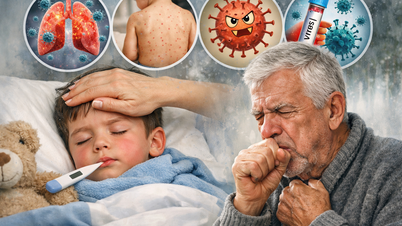
According to Dr. Le Thi Hong Tham, a specialist in Respiratory Medicine at Tam Anh General Hospital in Hanoi, prolonged humid weather increases the risk of common respiratory illnesses such as influenza, sinusitis, laryngitis, bronchitis, and pneumonia. Children, the elderly, people with underlying conditions, and pregnant women are particularly vulnerable due to weakened immune systems. Individuals with underlying conditions such as chronic obstructive pulmonary disease (COPD) or asthma may experience dangerous exacerbations.
High humidity causes condensation indoors, leading to the growth of mold, viruses, and bacteria. During humid weather, families often close their doors and windows to prevent moisture from entering, resulting in poor air circulation and creating favorable conditions for microorganisms to thrive and cause illness. The temperature difference between inside and outside the house, combined with frequent weather changes, makes it difficult for the body to adapt, increasing susceptibility to disease.
On humid days, families can use dehumidifiers or turn on air conditioners in dry mode to reduce humidity in the air. A humidity level of 40-60% is ideal. Floors, windows, and bathrooms are places where water can accumulate, causing slippery surfaces and posing a safety hazard, so they should be wiped regularly with a dry, absorbent cloth.
Carpets have high moisture absorption properties, making them susceptible to mold during humid weather, which can become a source of disease transmission. Families should limit the use of carpets during this time.
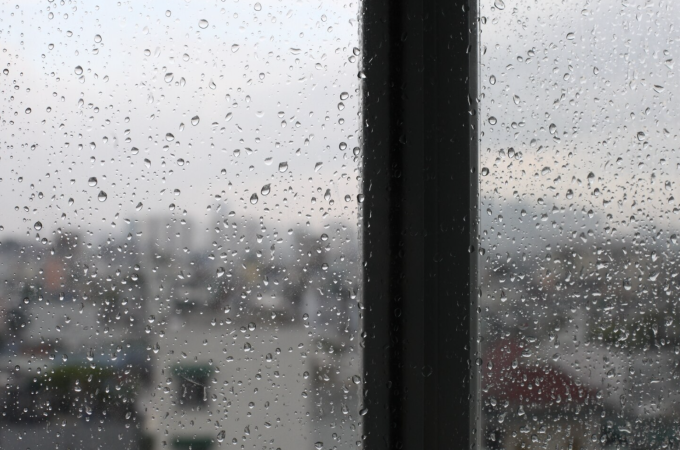
Humid weather increases the risk of respiratory illnesses. Photo: Freepik
The weather is constantly changing, with drizzle and fog in the morning, sunshine at noon, and cold rain in the evening, making it difficult for the body to adapt. Doctor Thắm advises everyone to wear multiple layers when going outside so they can change clothes as needed. When moving around, keep your nose, mouth, ears, neck, chest, and limbs warm to prevent these areas from getting cold. If you get wet from the rain, quickly change into dry clothes and warm yourself up by drinking warm water or ginger tea. The cold from damp clothes seeping into the body can easily cause respiratory illnesses.
Humid weather typically occurs from February to April each year, coinciding with Tet (Vietnamese Lunar New Year), festivals, and many parties. People who consume a lot of alcoholic beverages like wine and beer need to keep their bodies warm.
Dr. Tham explained that alcoholic beverages cause peripheral vasodilation, making us feel warmer, but in reality, it doesn't increase body temperature. In fact, the dilation of peripheral blood vessels can even lower body temperature. This "illusory" feeling of warmth, along with increased heart rate and blood pressure after drinking alcohol, leads many people to dress lightly. At this point, exposure to cold air makes the body very susceptible to colds, pneumonia, and life-threatening strokes.
A nutritious diet, regular exercise, and vaccinations against influenza, pneumococcal disease, and pertussis help boost immunity and prevent illness. People with respiratory symptoms such as cough, runny nose, fever, and sore throat should see a doctor for accurate diagnosis and treatment. Absolutely do not self-medicate with antibiotics or fever reducers, and avoid reusing old prescriptions. Those with chronic illnesses must strictly follow their doctor's instructions.
Khue Lam
Source link

![[Photo] National Assembly Chairman Tran Thanh Man inspects election preparations in Hai Phong city.](https://vphoto.vietnam.vn/thumb/1200x675/vietnam/resource/IMAGE/2026/02/26/1772095420401_ndo_br_bnd-8016-jpg.webp)
![[Photo] Thousands of tourists visit the Quang Trung Emperor Temple in Nghe An during the early spring season.](https://vphoto.vietnam.vn/thumb/1200x675/vietnam/resource/IMAGE/2026/02/26/1772095410680_img-9305-3882-jpg.webp)





















![[Photo] National Assembly Chairman Tran Thanh Man working with the Hai Phong City Election Committee](https://vphoto.vietnam.vn/thumb/1200x675/vietnam/resource/IMAGE/2026/02/26/1772103806795_ndo_br_bnd-8224-jpg.webp)































































Comment (0)