

 |
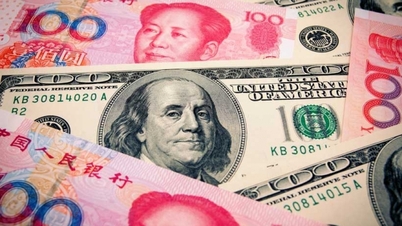
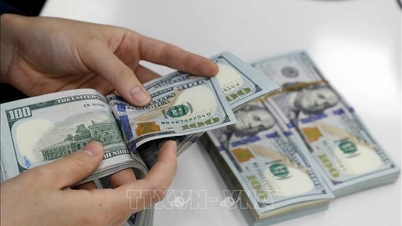
The US dollar maintained its upward momentum on Thursday, hovering near a two-month high, as renewed fighting in the Gulf pushed oil prices higher and weakened investor risk appetite. Meanwhile, the Japanese yen continued to hover around the 160 JPY/USD mark, a level that keeps markets wary of potential Japanese foreign exchange intervention.
According to the latest reports, Iranian attacks on Kuwait damaged the country's airport and injured dozens on Wednesday. At the same time, the US military conducted airstrikes near the Strait of Hormuz. These developments further tested the already fragile ceasefire and diminished hopes for a diplomatic solution to the conflict.
In the currency market, the euro traded at 1.1604 USD/EUR, while the British pound was at 1.3424 USD/GBP, virtually unchanged from the previous session. The Australian dollar was stable at 0.7132 USD, and the New Zealand dollar rose 0.2% to 0.5872 USD after recovering from a one-week low.
The US dollar index (DXY) – a measure of the dollar's strength against a basket of major currencies – edged higher to 99.47 points, after touching its highest level since April 7 in the previous session.
Sim Moh Siong, a foreign exchange strategist at OCBC (Oversea-Chinese Banking Corporation, Singapore), believes that the role of the US dollar as a safe-haven asset is being reinforced again as oil prices and global bond yields rise due to geopolitical tensions.
He stated that there is currently insufficient basis to bet on a weakening US dollar, and predicted that the greenback will continue to maintain its stable value but mainly fluctuate within a certain range.
In the U.S., a survey released Wednesday showed that the input price index for service businesses rose to its highest level in nearly four years. This reinforces the view of many experts that the Federal Reserve will keep interest rates at their current level for longer, possibly even into next year.
The Japanese yen traded at 159.91 JPY/USD, after briefly surpassing 160 in the previous session – the first time since April 30. This development prompted Japanese authorities to issue new warnings about the foreign exchange market.
The 160 JPY/USD threshold is currently considered a "red line" for Tokyo officials and is the exchange rate level that could trigger intervention measures to support the domestic currency.
Meanwhile, Bank of Japan (BoJ) Governor Kazuo Ueda said the BoJ needs to discuss raising interest rates if inflation risks outweigh slowdown risks. This statement was interpreted by the market as a signal that the likelihood of the BoJ raising interest rates this month is increasing.
Naohiko Baba, Head of Japan Research and Chief Economist for Japan at Barclays, commented that Ueda had almost fully prepared the groundwork for an interest rate hike, even though he hadn't given a clear signal for the June meeting. According to him, the Bank of Japan's tone has become significantly hawkish, and Barclays maintains its forecast that the Bank of Japan will raise interest rates this month.
Source: https://thoibaonganhang.vn/sang-46-ty-gia-trung-tam-di-ngang-183015.html





























































![[Video] Sunset at Lap An Lagoon – Where the sun sets over the fishing nets](https://vphoto.vietnam.vn/thumb/1200x675/vietnam/resource/IMAGE/2026/05/31/1780192137701_beach-landscape-sea-water-nature-grass-745871-pxhere-com.jpeg)






































Comment (0)