

Saving electricity is no longer a matter of voluntary action or encouragement. A series of new government regulations are tightening the responsibilities of state agencies, businesses, and electricity-intensive entities, requiring them to develop electricity saving plans, conduct energy audits, and be held accountable for any electricity waste.
According to new government directives, state agencies, businesses, and units that consume large amounts of electricity are required to develop electricity saving plans, conduct periodic energy audits, and report on their annual electricity usage.
Heads of units may be held accountable if they fail to effectively implement electricity saving solutions or allow electricity waste to occur. In particular, large manufacturing enterprises must proactively develop load reduction plans, reduce electricity use during peak hours, and participate in load adjustment when the power system experiences difficulties.
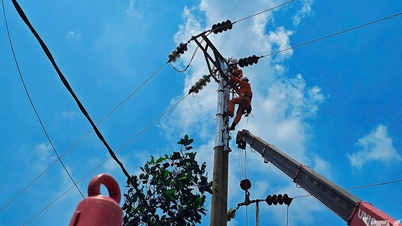
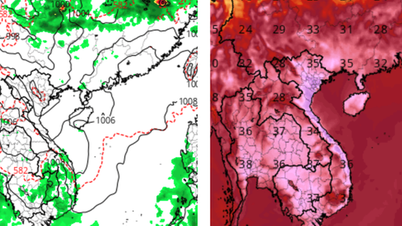
With the demand for electricity constantly increasing, the power industry is also stepping up inspections of wasteful electricity usage, encouraging the switching off of advertising lighting systems after 10 PM, and promoting the development of rooftop solar power to reduce pressure on the power system during the hot season.
Amidst the hot weather and increased electricity demand, the issue of tenants having to pay higher electricity prices than stipulated by the government has caused much resentment. In response to this situation, Government Decree 133/2026/ND-CP was issued to tighten the management of electricity prices in rental properties, officially effective from May 25th.
The decree clearly stipulates the violations, forms of penalties, penalty levels, and remedial measures, and applies to organizations and individuals committing administrative violations in the electricity sector.
For certain retail electricity sales exceeding the regulated price by 10% or more, with incorrectly billed electricity consumption ranging from over 1,000 kWh to under 2,000 kWh, the penalty can be from 50 to 60 million VND.
In addition, selling electricity for domestic, production, business, or service purposes without a valid electricity purchase and sale contract may result in a fine of 40-50 million VND.
The decree stipulates fines ranging from 30 to 40 million VND for certain actions such as improperly suspending or reducing electricity supply; failing to address or delaying the handling of power outages caused by the fault of the electricity retailer; and failing to resolve or resolving customer complaints within the prescribed timeframe.
In addition to fines, depending on the specific violation, organizations and individuals may also be subject to supplementary penalties and remedial measures as stipulated in the decree.
The completion of regulations on penalties is expected to contribute to strengthening discipline in the electricity sector, promoting energy conservation and efficiency, and supporting sustainable development goals.
Source: https://vtv.vn/siet-trach-nhiem-tiet-kiem-dien-100260520155333266.htm






































































































Comment (0)