

On October 11th, the Ho Chi Minh City Department of Education and Training reported to the Ministry of Education and Training on the preparation and implementation of tasks for the upcoming school year and made proposals for future implementation.
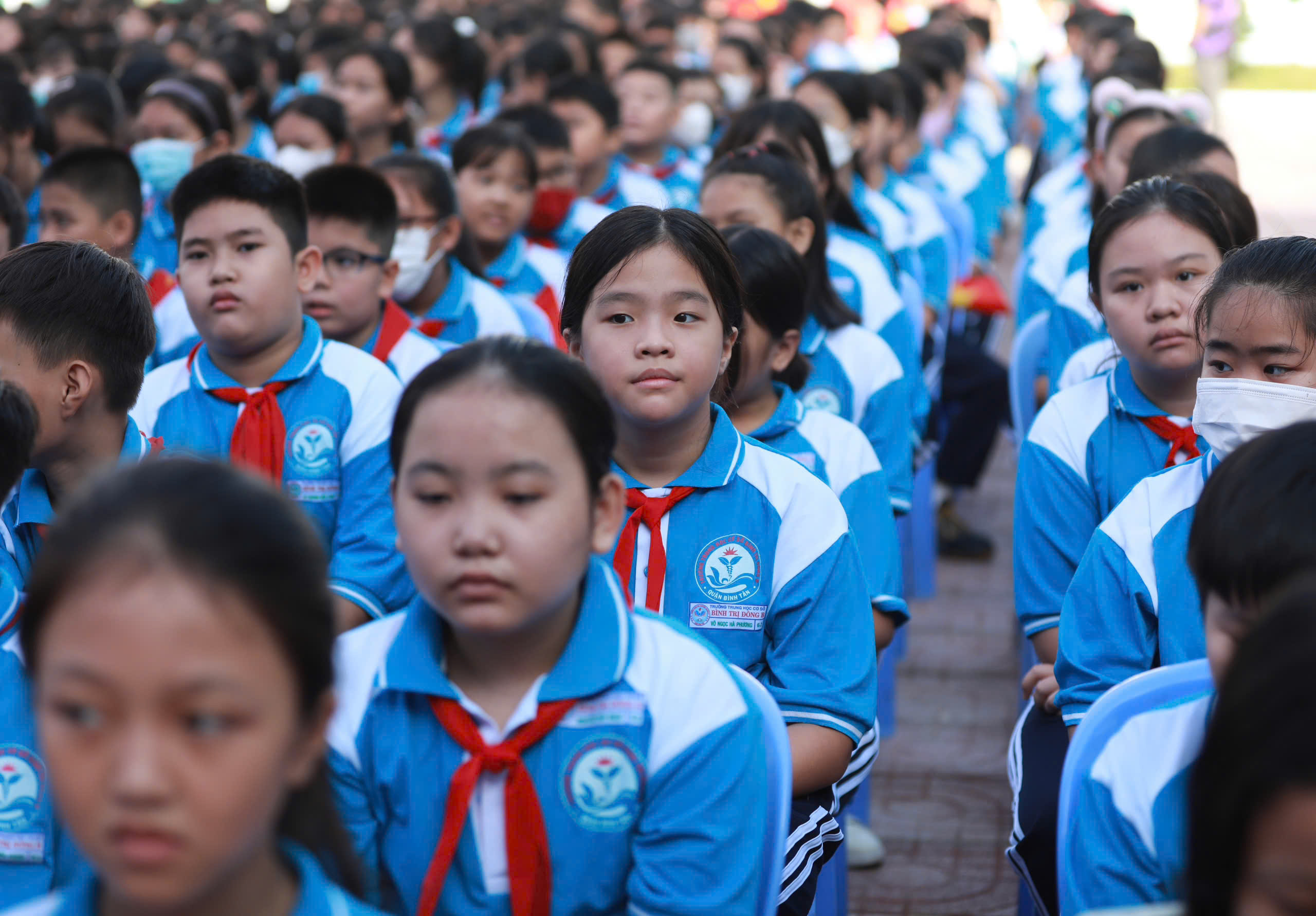
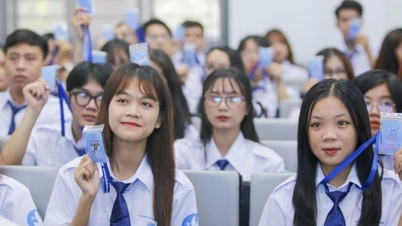
Junior high school students in Binh Tan District begin the new school year. Binh Tan District is one of the areas in Ho Chi Minh City facing pressure regarding class sizes.
There is a shortage of teachers and insufficient functional rooms...
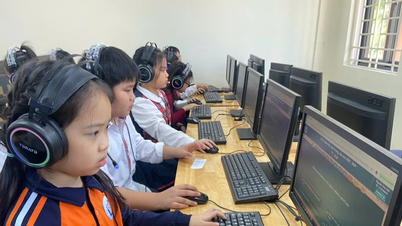
According to the Department of Education and Training, some districts in Ho Chi Minh City, such as District 12, Binh Tan, Hoc Mon, and Binh Chanh, still have less than 100% of their schools operating on a two-session-per-day schedule. This is due to the lack of one classroom per class and insufficient functional rooms as required by regulations. Some schools also have overcrowded classrooms, negatively impacting learning quality. Furthermore, there is a shortage of teachers in many subjects, leading to the hiring of contract and visiting lecturers to ensure sufficient teaching staff, primarily focusing on English, computer science, physical education, music , and art, as there is a lack of qualified candidates.
According to the Department of Education and Training, the locality still faces difficulties in developing a team of teachers for subjects such as computer science, technology, and arts. Investment in developing the school system in some districts, especially those with large populations, is currently facing challenges.
Organizing extracurricular activities faces challenges in terms of scheduling and ensuring student participation while maintaining the school's organizational capacity.
Teachers lack specialized training and experience in organizing life skills education activities, so most educational institutions collaborate with businesses to implement them. The addition of extracurricular activities contributes to the holistic education of students. However, because these activities are voluntary and involve student participation, there are differing viewpoints on their implementation.
Some educational institutions have not provided parents with complete information about extracurricular activities, leading to confusion and the misconception that these activities are mandatory. This has negatively impacted the policy of socializing education by enhancing experiential, practical, and hands-on learning for students.
Ho Chi Minh City's solution
Given the aforementioned limitations, the Ho Chi Minh City Department of Education and Training stated that it has coordinated with relevant departments and agencies to finalize a plan to attract teachers in English, information technology, physical education, music, and fine arts. They have also organized training courses on conducting life skills education activities for teachers.
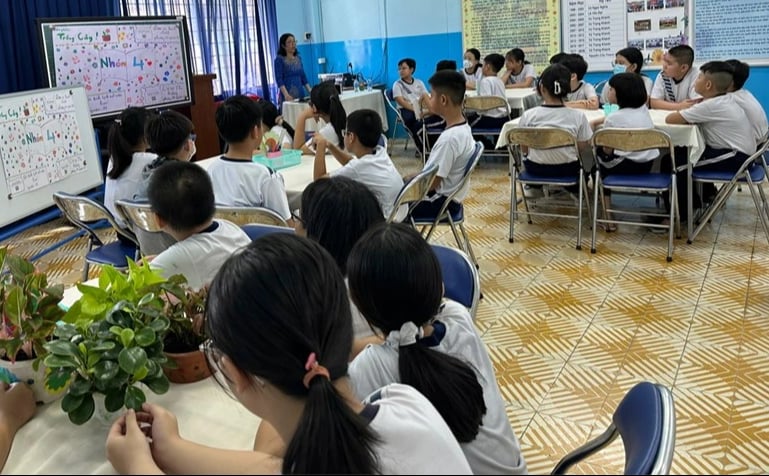
Life skills lesson for students in District 10, Ho Chi Minh City.
The Department, in coordination with other departments, agencies, and the People's Committee of Thu Duc City and the districts, is implementing solutions to effectively carry out the 4,500 classroom project, aiming for 300 classrooms per 10,000 people, in celebration of the 50th anniversary of national reunification. This will increase the rate of two-session schooling per day, reduce class sizes, and improve the quality of teaching and learning.
Furthermore, when implementing educational programs, the Department of Education and Training only directs schools to ensure coordination, consensus, and supervision from parents, guaranteeing that the policy of socializing education is implemented strictly and in accordance with the law.
Proposals for the Ministry of Education and Training
Also in the report on inspection work at the beginning of the school year, the Department of Education and Training proposed to the Ministry of Education and Training to provide unified guidance on determining service fees for supporting educational activities in schools and the authority to issue fee rates for other educational services besides tuition fees that are not considered services supporting educational activities, so that localities have a basis for implementation.
Ho Chi Minh City proposed that the Ministry direct the school board to be responsible for developing and selecting school curricula, as this is a form of collecting and disbursing funds on behalf of others, and not a budget expenditure.
Provide specific guidance on organizing the teaching of the school curriculum alongside the implementation of the 2018 General Education Program in a flexible manner, delegating authority and responsibility to the principal and the school board.
Simultaneously, the city issued guidelines on teaching and learning in two sessions per day, and guidelines on managing extracurricular tutoring, adjusted according to the new orientation of the 2018 General Education Program. This also facilitated the city's effective implementation of programs and projects oriented towards smart education, digital transformation, and achieving international standards in some aspects and fields of education and training.
Source: https://thanhnien.vn/so-gd-dt-tphcm-neu-nhung-ly-do-anh-huong-den-chu-truong-xa-hoi-hoa-giao-duc-18524101112194297.htm


![[Photo] Closing Ceremony of the 15th Conference of the Central Committee of the 13th Party Congress](/_next/image?url=https%3A%2F%2Fvphoto.vietnam.vn%2Fthumb%2F1200x675%2Fvietnam%2Fresource%2FIMAGE%2F2025%2F12%2F23%2F1766462841764_a1-bnd-3731-1647-jpg.webp&w=3840&q=75)




































































Comment (0)