

Igniting the aspirations for a better life.
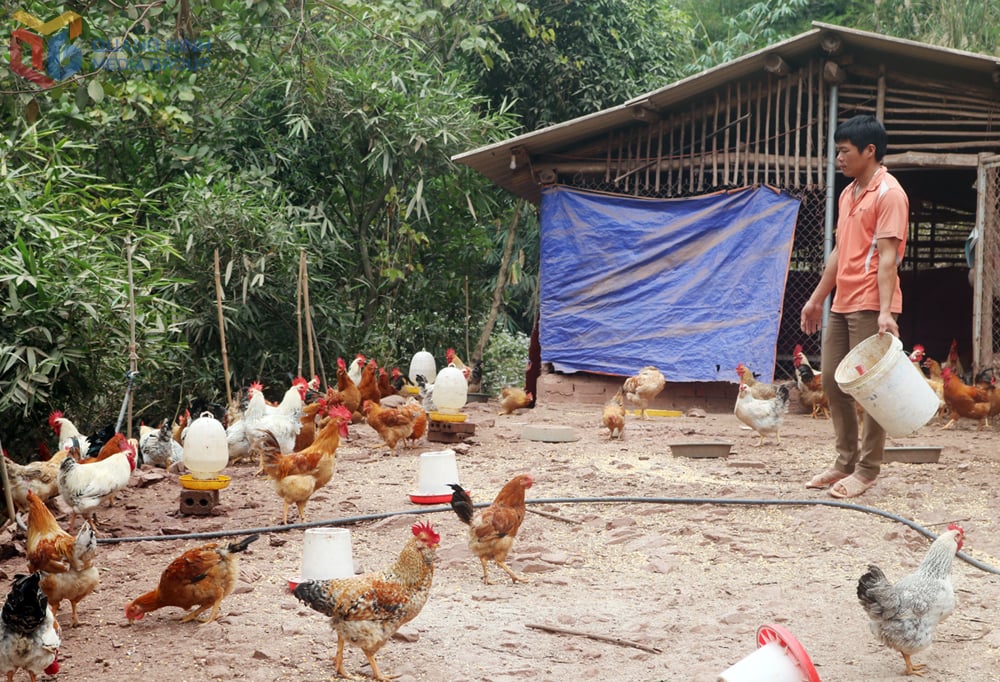
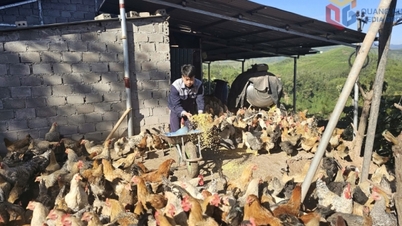
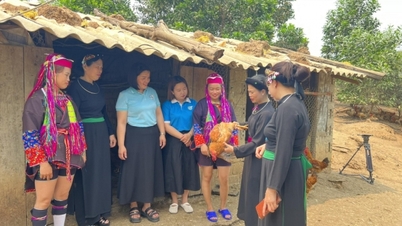
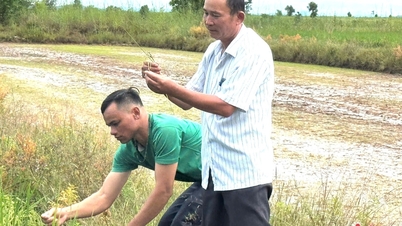
Once a poor household in the extremely disadvantaged area of Ha Lau commune, Tien Yen district (now Dien Xa commune), Mr. Tran Van Hoan never imagined that his family's economic situation would improve so much, with a solid house, a car, and a stable source of income of approximately 200 million VND per year. Going back many years, when policies to support ethnic minority and mountainous communities in escaping poverty were strongly implemented throughout the villages, Mr. Hoan received support from the local government in terms of capital, breeding stock, and technology to develop his Tien Yen chicken farming model. With this support and his hard work and diligence, Mr. Hoan gradually escaped poverty after a few years. From a few hundred chickens initially, Mr. Hoan now has a farm with a scale of nearly 10,000 chickens per year.
Mr. Hoan said: "From escaping poverty to having a comfortable life like I do now, besides capital, I have always received attention from local authorities and organizations through training programs on livestock farming techniques, provision of breeding stock, brand building, and market connections. Thanks to that, my family can confidently develop our economy."
Economic models generating hundreds of millions to billions of dong in income are increasingly appearing in ethnic minority areas, mountainous regions, border areas, and islands of the province. The cold-water sturgeon farming model of farmer Chạc A Sặp in Quảng Lâm commune, Đầm Hà district (now Quảng Tân commune) is a prime example. Recognizing the potential of cold-water fish farming, and with encouragement and support from the local government, in early 2024, Mr. Sặp and a friend boldly invested in reclaiming hillside land and building a system of ponds covered with tarpaulin to experimentally raise 3,000 sturgeon juveniles. After one year of trial farming, this model has proven effective with a fairly wide market, selling for approximately 700,000-1,000,000 dong per commercial fish and 10,000-15,000 dong per juvenile.
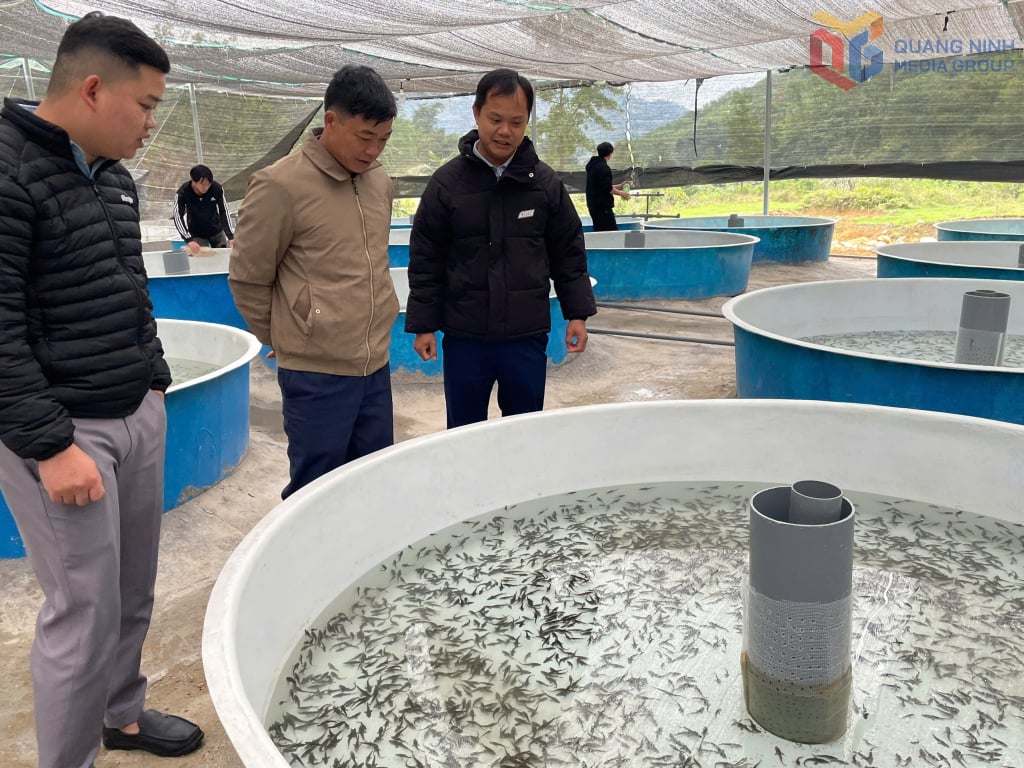
Continuing his successful venture, in early 2025, Mr. Sặp decided to invest an additional 3 billion VND to expand the scale of his ponds and water supply and drainage system, establishing a sturgeon farm with 80 ponds for both juvenile and commercial fish. This farm currently provides employment for nearly 10 workers with an income of 7-9 million VND per month. Mr. Sặp stated: "Sturgeon thrives in cold water environments like Quảng Lâm commune, so it has great potential for development. Currently, I plan to expand the area for commercial fish farming to increase income and create more jobs for the local people."
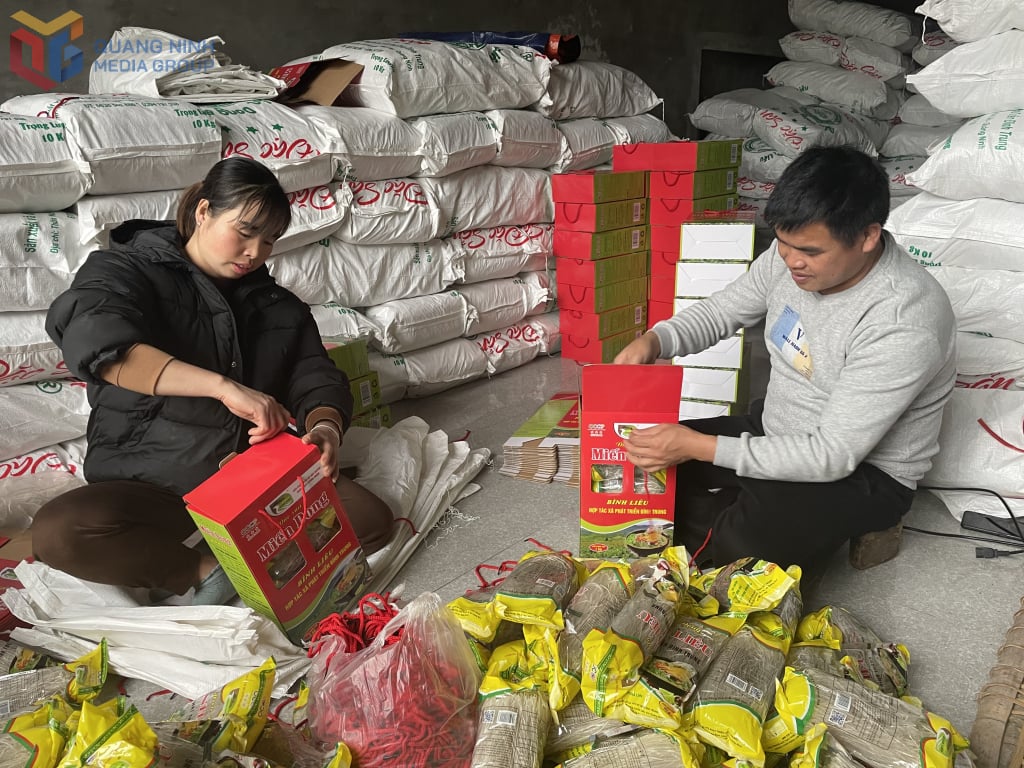
With an income of 500-600 million VND per year from producing and processing cassava vermicelli and cultivating cinnamon and star anise, Mr. La A Nong, a San Chi ethnic minority from Huc Dong commune, Binh Lieu district (now Binh Lieu commune), is also known as one of the exemplary figures in wealth creation. In recent years, the strong implementation of policies for ethnic minority areas in the locality has created more opportunities for Mr. Nong and many other households here to boldly pursue wealth.
Mr. Nong said: "Ethnic minority people have access to loans, technology, and guidance on developing strong agricultural products, such as cassava vermicelli in my locality. Thanks to this, people are confident in competing to get rich. Especially, the investment in transportation routes has created favorable conditions for people to trade agricultural products and connect with business partners."
Stories of resilience and progress in disadvantaged areas clearly demonstrate the province's sound policies. Among them, Resolution No. 06-NQ/TU dated May 17, 2021, of the Provincial Party Committee on sustainable socio-economic development linked to ensuring national defense and security in communes, villages, and hamlets in ethnic minority, mountainous, border, and island areas is the most powerful driving force. By the end of 2024, the average per capita income in ethnic minority, mountainous, border, and island areas reached VND 83.79 million/person/year, nearly double that of 2020. Notably, Quang Ninh has achieved the national target for sustainable poverty reduction three years ahead of schedule. To date, the entire province no longer has poor households according to the central government's poverty standard; only 8 households remain poor according to the province's own poverty standard, all of which are ethnic minority households, and the percentage of near-poor ethnic minority households is only 0.31%.
To bring disadvantaged areas closer to the lowlands.
In addition to providing people with capital, science and technology, vocational training, and job creation, Quang Ninh also focuses on investing in rural infrastructure, considering it a "gateway" for people in disadvantaged areas to open up opportunities for trade and production development, bridging the gap between different regions within the province.
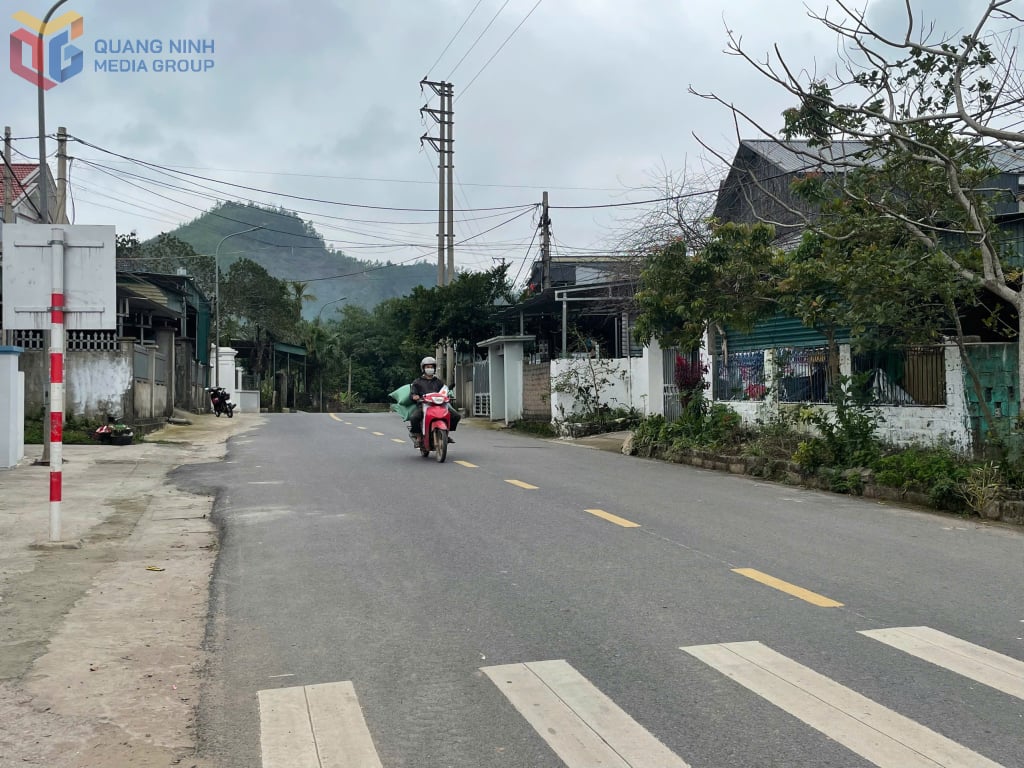
At the end of 2024, the old Provincial Road 31 connecting Doan Ket commune with Van Yen commune in Van Don district (now Van Don Special Economic Zone), specifically the section passing through Khe Ngai village, was newly constructed. With its wide, asphalt-paved surface and high-pressure lighting system, the road's opening brought much joy to the people of Khe Ngai village. Mr. Nguyen Duy Cong, from Khe Ngai village, said: "Previously, this road was dilapidated, making travel difficult and causing many inconveniences for the villagers. Thanks to government investment, a spacious and well-maintained road has been completed. People can now travel more conveniently, and transporting goods is also easier."
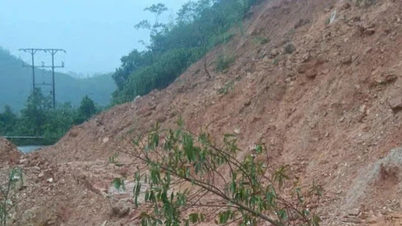
Sharing the same joy as Mr. Cong, dozens of households in Lam Nghiep hamlet, Tan Oc 1 village, Dong Son commune, Ha Long city (now Luong Minh commune) were thrilled when, at the end of 2024, the Lam Nghiep - Khe Lan inter-hamlet spillway and road project, with a total investment of over 7 billion VND, was put into use. Their long-held dream of a road that wouldn't be muddy or cut off during the rainy season and floods has finally come true. After the completion of the project, residents on both sides can now travel more conveniently, eliminating the situation of being "impenetrable" during floods. Improved transportation also facilitates the easier transport of agricultural products, opening up many opportunities for socio-economic development for the people. Ms. Ninh Thi Sinh, from Tan Oc 1 village, happily said: "Before, travel was very difficult. Sometimes, during floods, we couldn't cross to the other side to buy food for days. Now, with the concrete road and the spillway, the people are very happy."
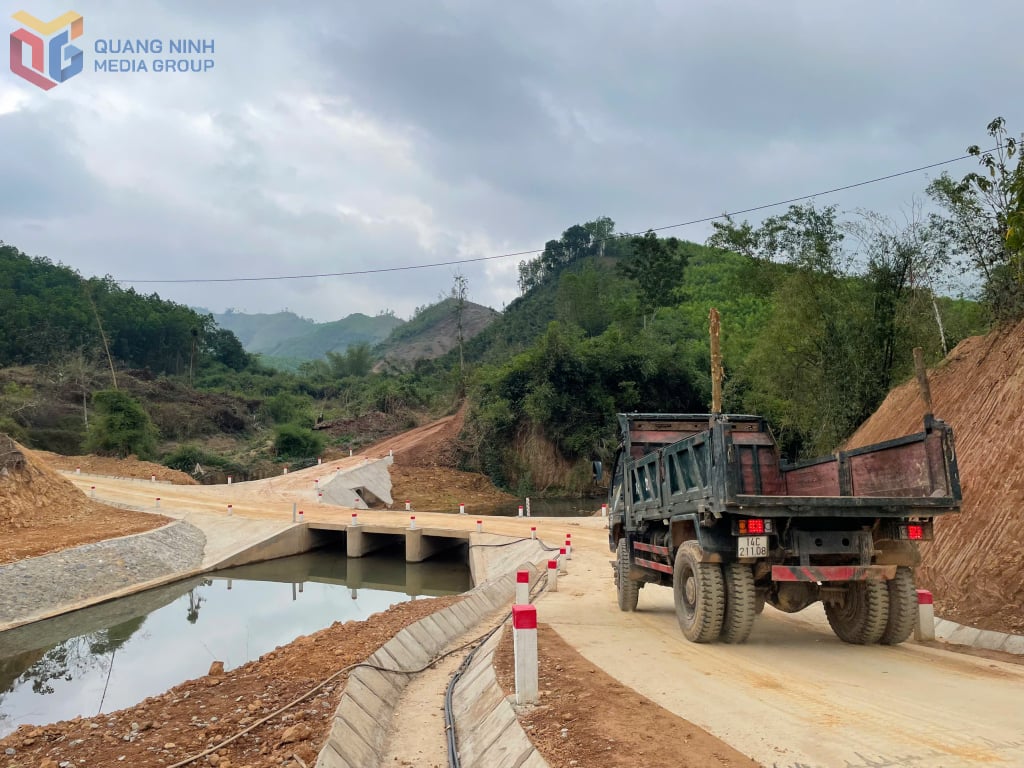
With a determination to leave no one behind, Quang Ninh has prioritized allocating significant resources from the state budget and mobilizing all other resources to focus on investing in and developing strategic, synchronous, and modern transportation infrastructure; promoting linkages between dynamic regions and disadvantaged areas; and connecting with economic centers, urban centers, dynamic regions, economic zones, and industrial parks to promote rapid and sustainable development.
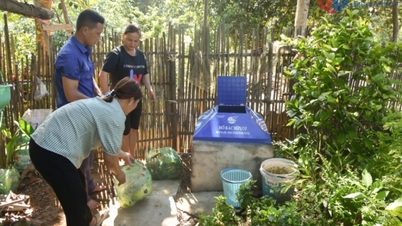
Along with transportation, other essential infrastructure such as telecommunications, electricity, and water are increasingly being strengthened and upgraded. From 2019 to 2024, the province implemented 842 essential infrastructure projects with a total investment of over 118,100 billion VND, contributing to changing the face of rural areas and improving people's lives. These efforts not only narrow the development gap between regions but also create a solid foundation for the province's sustainable development. To date, the percentage of the population covered by 4G mobile network has reached 100%; 100% of households have access to safe electricity; and the percentage of ethnic minority households using clean water has reached 100%.
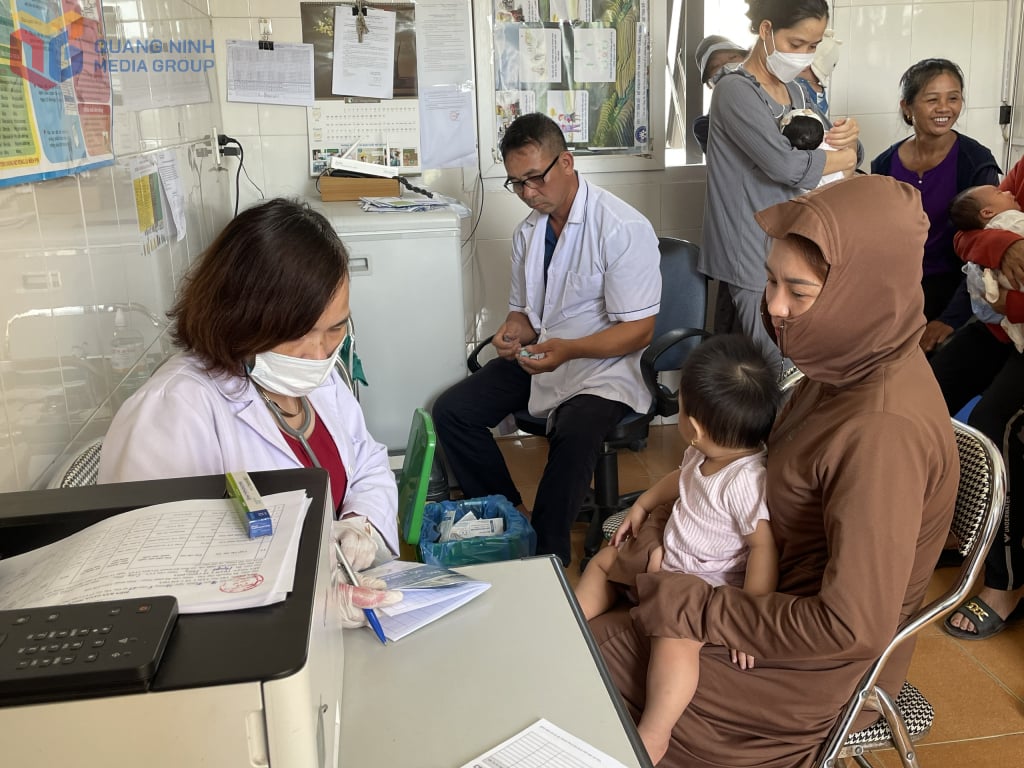
The province has also issued a specific policy to provide 100% health insurance coverage for over 70,000 ethnic minority people in communes that have recently emerged from the category of extremely difficult areas, until the end of 2025. The grassroots healthcare system has been strengthened. Projects on maternal and child health care and improving the physical condition and stature of ethnic minorities have been implemented synchronously and systematically.
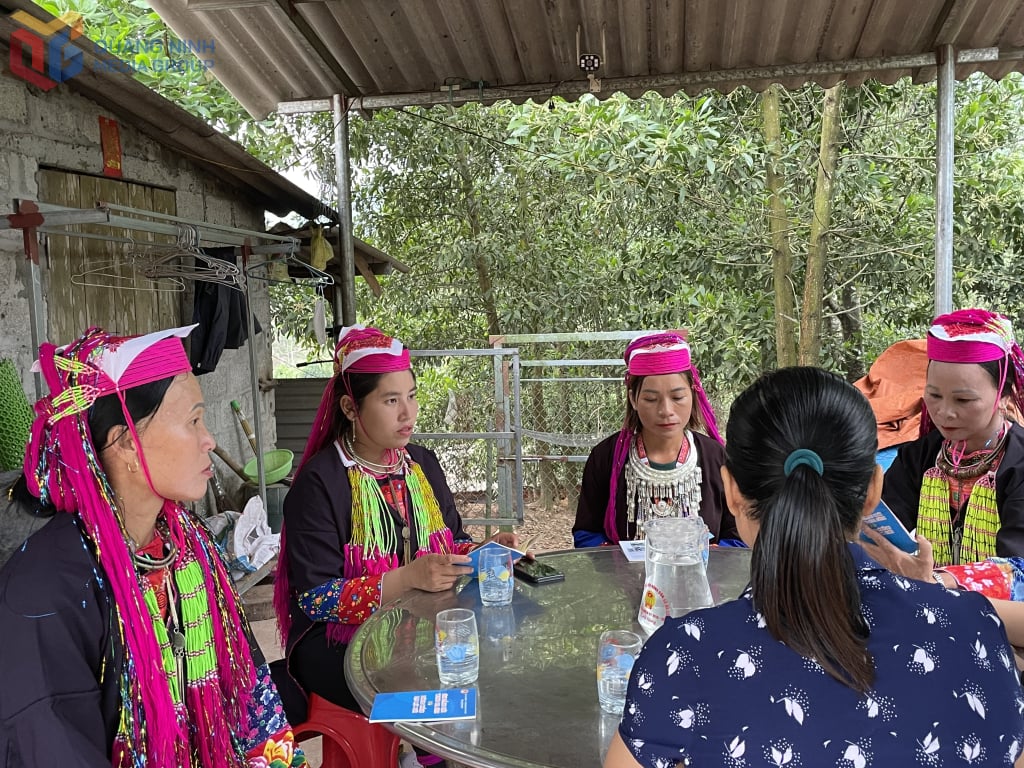
In the field of education, Quang Ninh has invested heavily in schools in remote and disadvantaged areas, ensuring that students receive the best possible education. Policies such as student streaming after lower secondary school, career counseling, and vocational training linked to labor market needs have created sustainable employment opportunities for young people from ethnic minority groups. The province has also pioneered in attracting, training, and employing ethnic minority cadres, thereby enhancing governance capacity at the grassroots level.
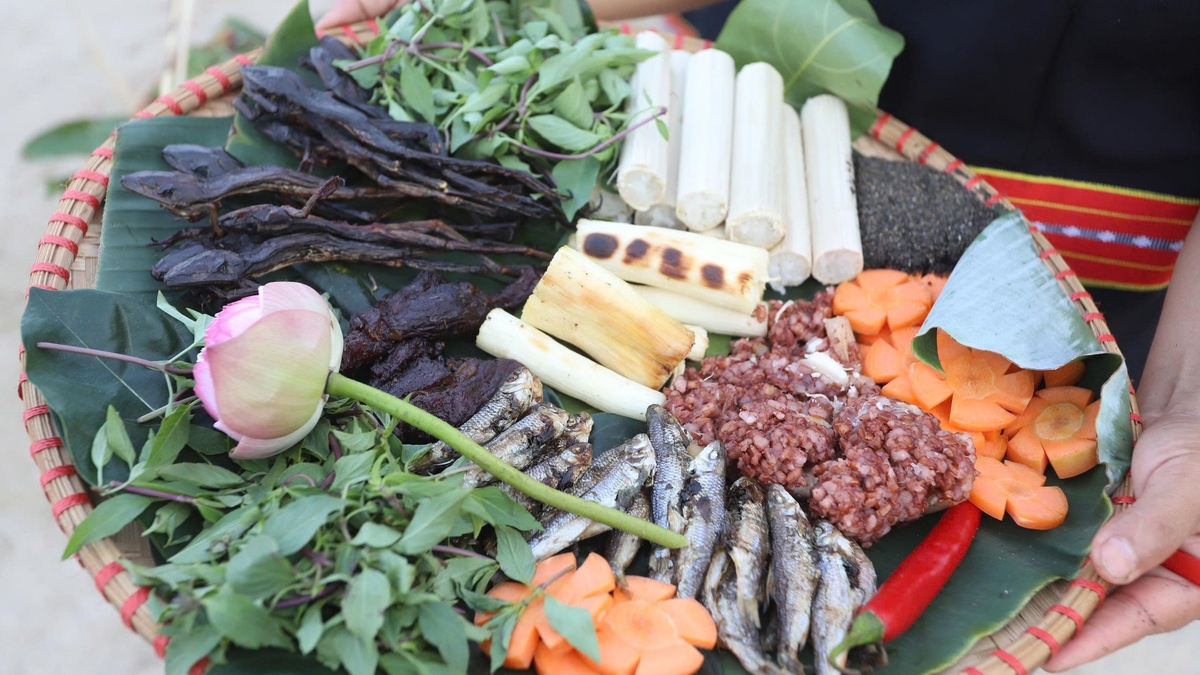
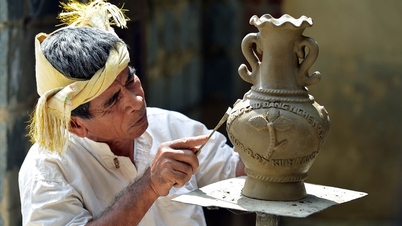
Alongside this, the restoration and development of traditional cultural values have received special attention. The province has approved projects for developing community tourism linked to the preservation of ethnic cultural identity. Highland and border areas, and ethnic minority communities, have become attractive destinations with tourism products bearing strong local characteristics, such as the Soóng Cọ Festival, highland markets, and cultural villages of the Dao, Tay, and San Chi ethnic groups.
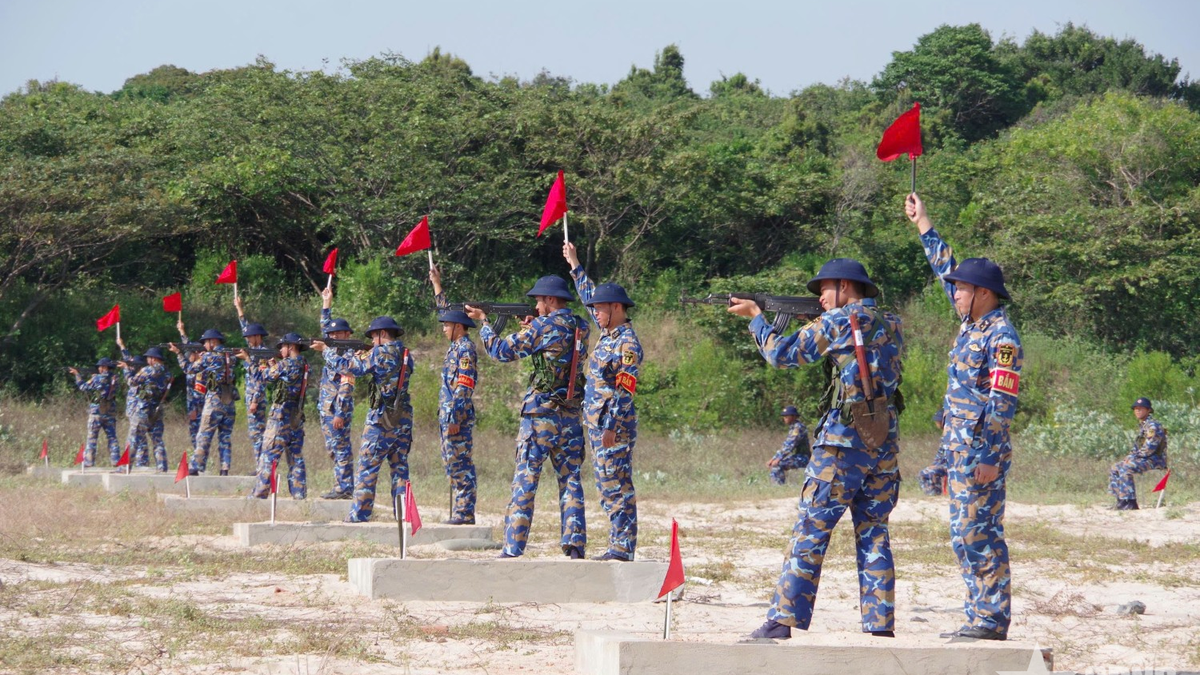
National defense and security work is closely linked with socio-economic development. The political security situation and social order are stable, with no hotspots occurring, ensuring firm sovereignty over borders and maritime territories.
Persistently pursuing the goal of narrowing the gap between rich and poor and regional disparities within the province, in the period 2026-2030, the province will continue to implement Resolution 06-NQ/TU with key solution groups: perfecting institutions, strengthening decentralization, improving the quality of grassroots officials, effectively mobilizing social resources, and strongly applying digital technology in governance and public service delivery in ethnic minority, mountainous, border, and island areas. The goal is for every citizen of Quang Ninh to enjoy the fruits of development and live a prosperous and happy life.
Source: https://baoquangninh.vn/suc-bat-cho-vung-kho-3364897.html
![[Photo] National Assembly Chairman Tran Thanh Man working with the Standing Committee of the National Assembly's Delegation Affairs Committee.](https://vphoto.vietnam.vn/thumb/1200x675/vietnam/resource/IMAGE/2026/05/20/1779294340023_ndo_br_1-1691-jpg.webp)
![[Image] "Journey of Hope" promotes the organ and tissue donation movement in Vietnam.](https://vphoto.vietnam.vn/thumb/1200x675/vietnam/resource/IMAGE/2026/05/20/1779294400833_1-8910-jpg.webp)
![[Photo] General Secretary and President To Lam works with the Party Committee of the Ministry of Health on the work of Vietnamese traditional medicine.](https://vphoto.vietnam.vn/thumb/1200x675/vietnam/resource/IMAGE/2026/05/20/1779294323718_a1-bnd-2978-3319-jpg.webp)





































































Comment (0)