

From shrimp shells, straw, cinnamon by-products to coconut fiber and coffee grounds… things once considered waste are now being “revived” by young people into useful products, contributing to the promotion of the circular economy and a green lifestyle.
From by-products to environmental solutions
One of the projects that has recently attracted attention is CHITOFLOW – a Nano-Chitosan biological water filter developed by a group of students from various universities and high schools. The project stems from the reality of the lack of clean water in the Mekong Delta, where millions of people are affected by saltwater intrusion, acidic water, and microbial pollution.
.jpg)
According to Nghiem Phan Minh Ngoc, a student at the University of Economics, Vietnam National University, Hanoi , and representative of the research group, a survey of 156 households showed that up to 72.4% of households faced difficulties in accessing clean water, while more than half still used river, pond, and lake water for daily activities.
Based on this reality, the team developed a multi-layered biological filtration system capable of simultaneously treating acidic water, brackish water, and slightly salty water. The unique aspect of the project lies in its utilization of by-products such as shrimp shells, crab shells, oyster shells, coconut fiber, and coffee grounds to create bio-nanofiltration materials.
Besides contributing to solving the clean water problem, the project also opens up a way to reuse a large amount of agricultural and aquatic waste that is often wasted or puts pressure on the environment. After use, the filter cores can also be recycled into fertilizer for Melaleuca trees, a species considered the "ecological shield" of the Mekong Delta due to its ability to improve acidic and saline soils.
With an expected selling price of around 519,000 VND per core, the team hopes the product will be widely accessible to rural households. Currently, the project has made it into the top 20 in several startup competitions such as Techfest Vietnam and Kawai Startup.
While CHITOFLOW seeks solutions to the clean water problem, VINA-MYCO, a project by students from the Banking Academy and Hanoi University of Civil Engineering, focuses on the fight against "white pollution."
Recognizing the increasing amount of plastic waste, the team researched the application of Mycelium fungal mycelium to bind agricultural by-products such as straw and sawdust, creating a bio-shock-absorbing material to replace traditional EPS foam.
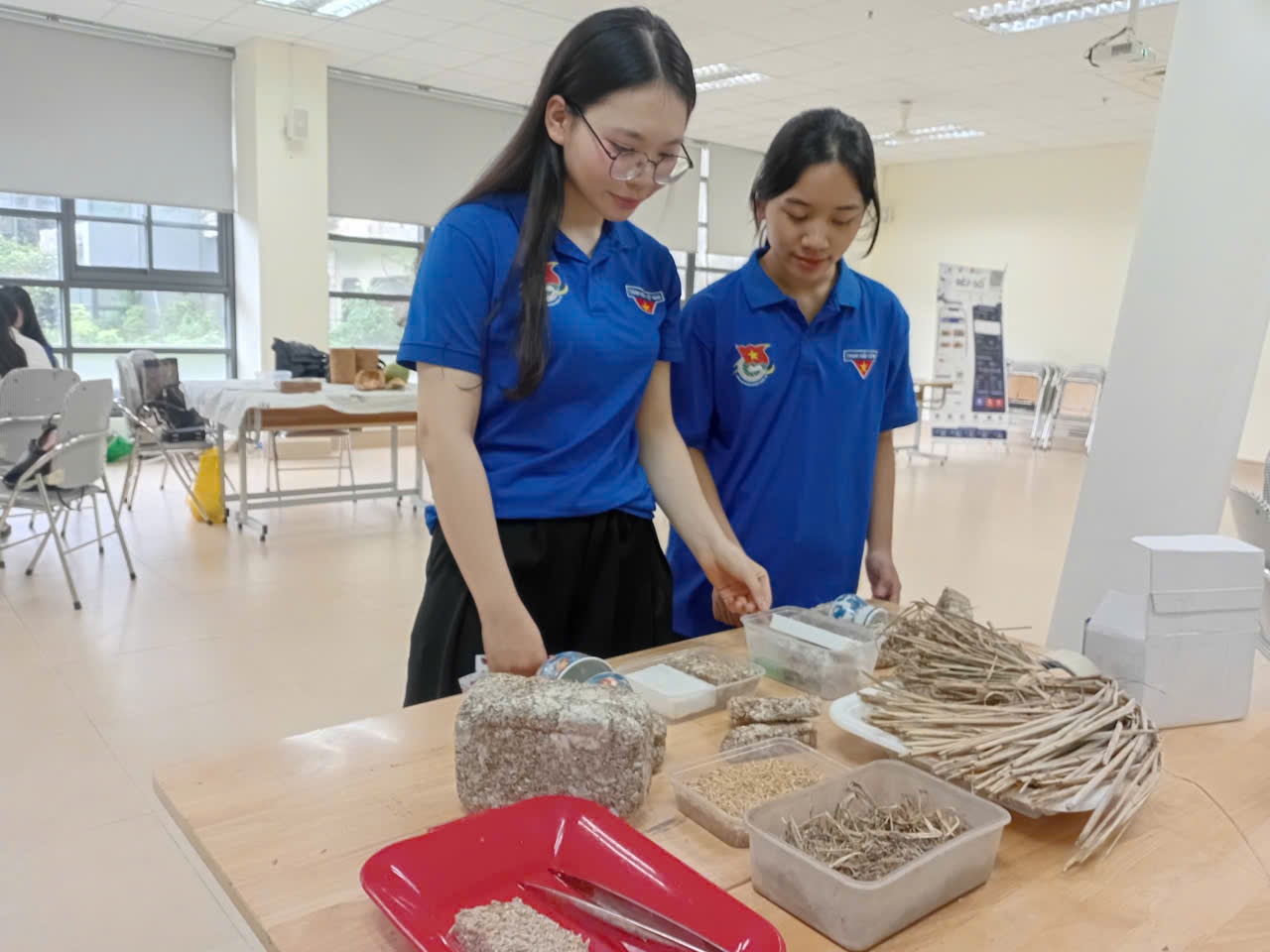
The product offers shock resistance comparable to industrial foam, is naturally fire-resistant, surface water-resistant, and, most importantly, is completely biodegradable in soil within 45-90 days. Instead of burning straw after the harvest, which causes air pollution, this model transforms agricultural waste into economically valuable materials.
According to Pham Phuong Anh, a member of the team, the demand for green packaging is increasing as many exporting businesses have to meet international environmental standards such as ESG, EPR, or the European Union's "green tax." Therefore, VINA-MYCO not only sells products but also aims to build an ecosystem to support businesses in their green transition.
Entrepreneurship and social responsibility
Instead of pursuing growth at all costs, many student startups today are showing a new trend: placing social responsibility and sustainable development at the center.
The HerbFire project by students from the School of Economics – Hanoi University of Industry and the National Economics University is a prime example. The group utilizes cinnamon by-products and waste wood from Yen Bai to produce environmentally friendly biomass pellets.
Instead of being burned, which causes emissions, the raw materials are collected, dried, and compressed into fuel pellets that burn steadily and produce less smoke and dust. HerbFire's distinguishing feature is its light, natural cinnamon scent, making it ideal for BBQs, outdoor activities, and nature-inspired settings.
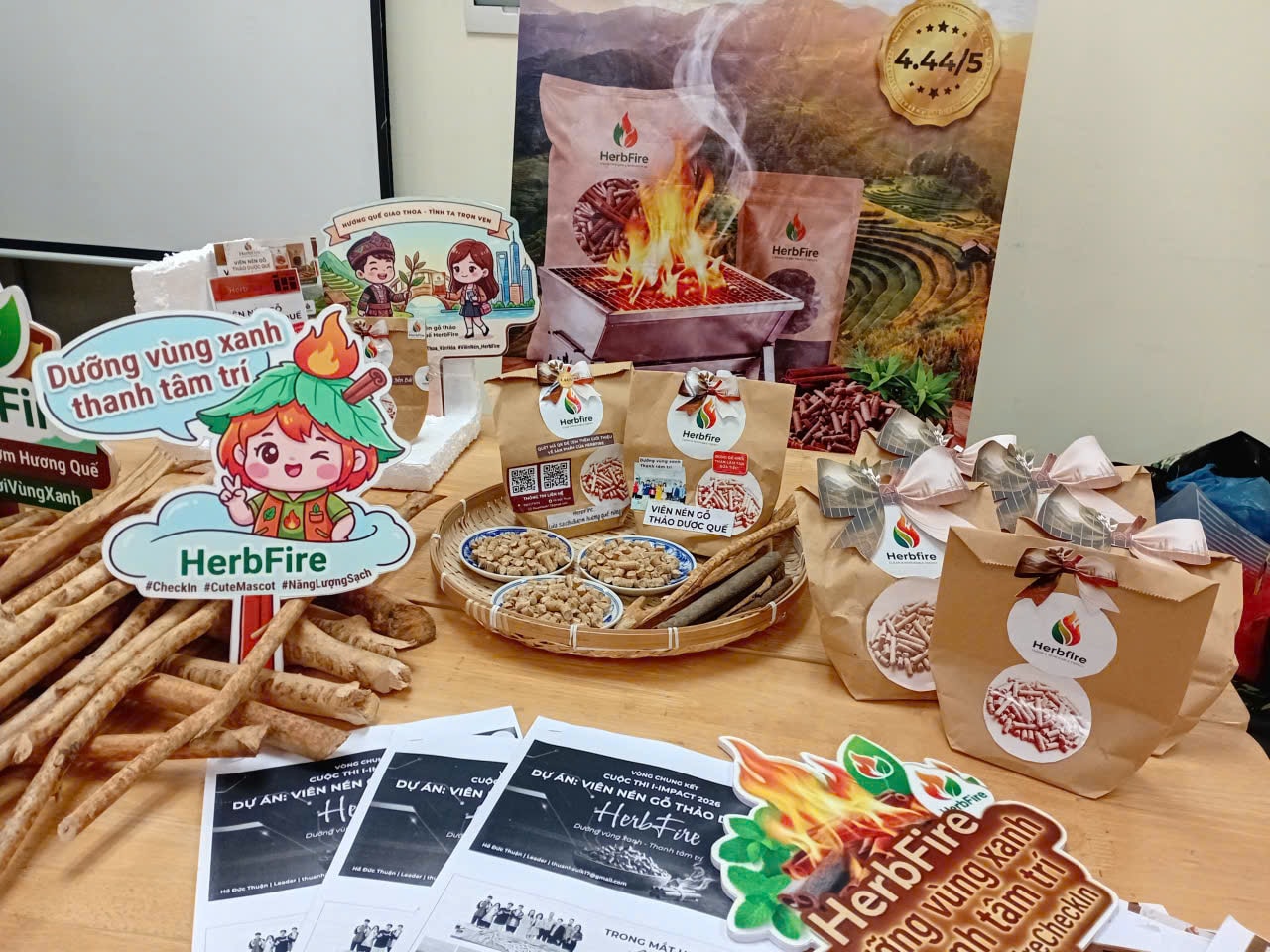
In addition to contributing to emission reduction, the model also opens up additional income sources for people in cinnamon-growing regions, thereby promoting the trend of clean energy and green consumption.
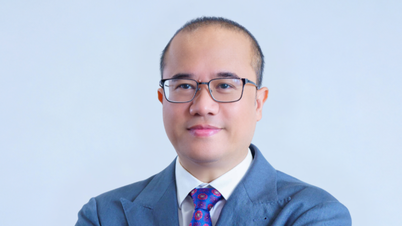
According to Dr. Bui Duy Hung, Deputy Head of the Economics Faculty at the Banking Academy, what is valuable about current student projects is the combination of entrepreneurial thinking and social responsibility. "These students not only have a long-term vision but also possess a spirit of striving for positive values for society," he remarked.
Many environmental experts also believe that the participation of young people is creating a crucial impetus for the green transition in Vietnam. According to the United Nations Environment Programme (UNEP), the circular economy and youth innovation will be key factors in helping countries reduce emissions and use resources more efficiently in the future.
Meanwhile, UNICEF's "Youth and Climate Action" report emphasizes that young people are not only strongly affected by climate change but also are a leading force in creating innovative solutions for sustainable development.
From bio-filtration projects and biodegradable packaging to biomass fuels, young Vietnamese people are proving that environmental protection is no longer just a slogan but has become concrete action. Even more valuable, young people are transforming discarded materials into new value, turning social responsibility into a driving force for innovation, and contributing to making green entrepreneurship a sustainable development trend for the future.
Source: https://hanoimoi.vn/tai-che-phu-pham-mo-loi-cho-tuong-lai-xanh-934642.html





































































Comment (0)