- Opportunities for the development of Ca Mau's shrimp industry.
- Vietshrimp – 2024: An opportunity to develop the shrimp industry sustainably.
- Sustainable solutions for the shrimp industry.
According to the review results, as of March 19th, the area of improved extensive shrimp farming in the province reached approximately 166,000 hectares/83,807 households, with an average yield of 353 kg/ha/year and an estimated production of about 58,128 tons (for tiger shrimp); for other shrimp, the average yield was 104 kg/ha/year and the estimated production was about 18,109 tons. Super-intensive shrimp farming in the districts and Ca Mau City reached approximately 5,042 hectares/5,101 households, with an average yield of 23 tons/ha/year and a production of about 116,500 tons/year.
It is estimated that by 2025, following the value chain approach, the local shrimp farming industry will have 127,600 hectares/64,866 households participating in the production linkage program, with an average yield of 550 kg/ha/year and an estimated output of approximately 70,974 tons, covering 127,600 hectares with a high-quality shrimp farming model. The area for high-quality shrimp farming is estimated at 5,500 hectares, with an average yield of approximately 23 tons/ha/year and an estimated output of 126,500 tons.
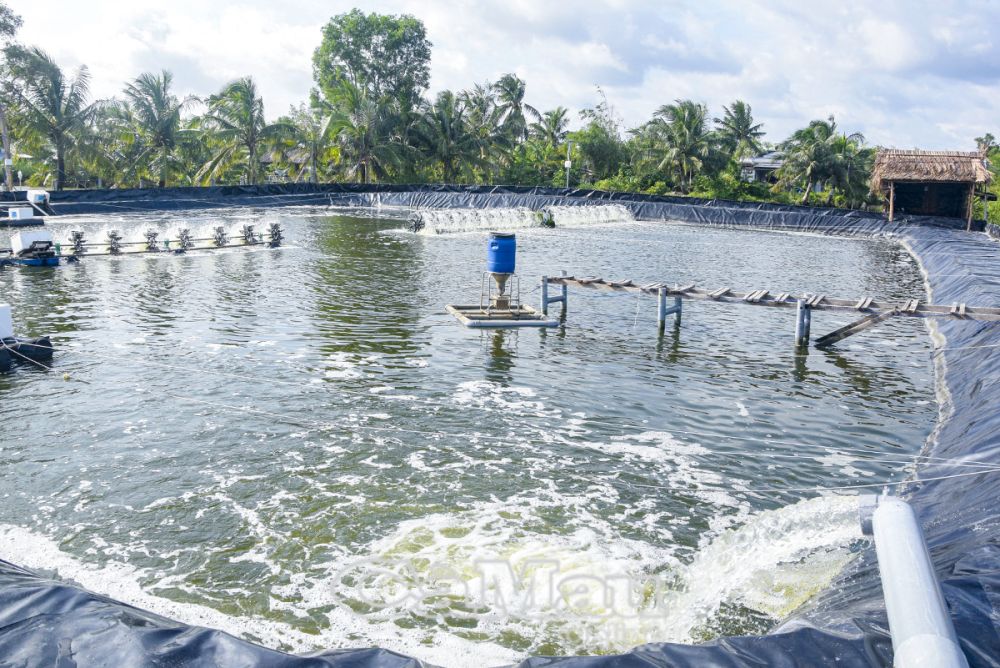
The STC shrimp farming model yields high productivity; the entire province has approximately 5,042 hectares, with an average yield of 23 tons/ha/year.
However, the shrimp industry in Ca Mau province has not developed in proportion to its potential and advantages, and faces many challenges such as: infrastructure not meeting development requirements; impacts of climate change, environmental pollution, and diseases; low production efficiency and lack of sustainability; failure to form large-scale concentrated production areas; limited level of adoption and application of science and technology in production among the people...
In order to promptly develop breakthrough models for shrimp farming using the QCCT and STC methods, and to promote the development and improvement of the collective economic model, contributing to achieving the province's socio-economic development goals, the Provincial Party Standing Committee has just issued Directive No. 26-CT/TU Ca Mau, dated March 17, 2025, on strengthening the leadership and guidance of Party committees and authorities at all levels in developing breakthrough models for shrimp farming using the QCCT and STC methods and developing the collective economic model in agriculture in Ca Mau province.
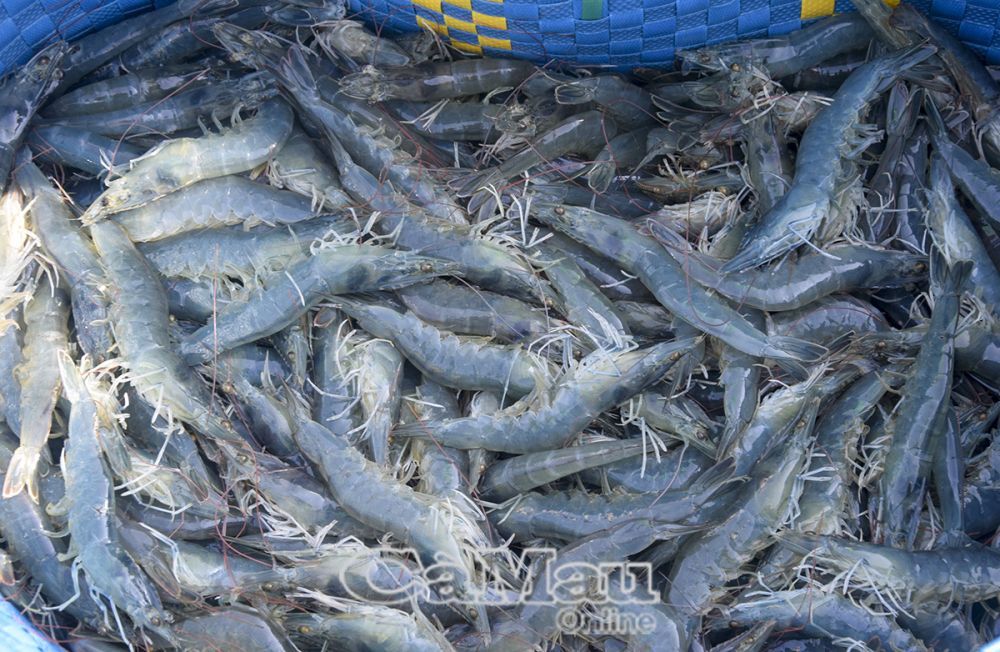
Monitoring the environment and preventing and controlling diseases in aquaculture; strictly controlling wastewater and waste in shrimp hatchery areas, concentrated shrimp farming areas, feed processing facilities, and shrimp processing facilities to achieve high productivity.

Accordingly, the Provincial Party Standing Committee directed Party committees, governments, and departments from the provincial to the grassroots level to thoroughly and effectively implement the directives from the Central Government and the province on promoting the development of various types of shrimp farming, especially the cultivation of high-tech and semi-intensive shrimp, and the development of the market economy. Identifying the breakthrough development in high-tech and semi-intensive shrimp farming and the development of the market economy as a key, ongoing, and long-term task is crucial to developing Ca Mau's shrimp industry into the largest center in the Mekong Delta and the entire country. This will involve adopting appropriate production models, applying advanced technologies to improve productivity, output, quality, and competitiveness of Ca Mau shrimp products, benefiting the people and businesses, and contributing to the successful achievement of the province's socio-economic development goals.
The Party Committee of the Provincial People's Committee leads and directs the Provincial People's Committee to effectively build and implement programs, projects, and plans for agricultural development linked to the cooperative economy, in accordance with the characteristics and strengths of each locality; develop shrimp farming (including high-tech and semi-intensive) towards forming large-scale concentrated commercial farming areas, applying science and technology, adopting certification standards, and linking production and consumption to reduce costs, improve product quality, enhance competitiveness, and achieve efficient and sustainable development; focus resources on promoting research, transfer, and application of scientific and technological advancements to effectively serve sustainable socio-economic development, green transformation, and circular economy development.
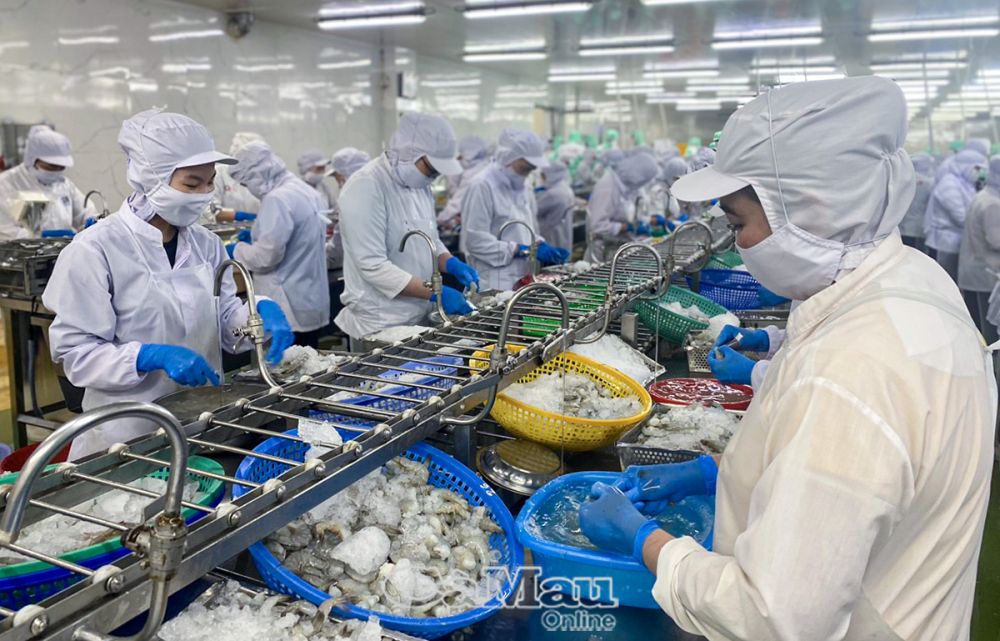
The shrimp industry generates significant revenue for the province.
Proactively research and implement policy mechanisms for transferring, replicating, and applying scientific and technological advancements; policy mechanisms to encourage, invite, and support businesses to invest in and expand production activities in shrimp farming, linked with production and product consumption. Research and apply techniques for producing high-quality broodstock and shrimp larvae that grow quickly, are disease-free, and disease-resistant, ensuring sufficient quantity for local production. Strengthen the management of quality of shrimp larvae and supplies; build and apply a product traceability system in accordance with legal regulations and market requirements. Monitor the environment and prevent and control diseases in aquaculture...
The directive emphasizes: "District Party committees, city Party committees, heads of Party committees and governments, and heads of agencies and units, according to their functions and duties, shall implement the breakthrough development tasks for shrimp farming (QCCT, STC) and the development of the cooperative economy in their areas with the highest sense of responsibility and political determination; develop annual and phased implementation plans; assign specific responsibilities to each individual and unit, and be accountable to higher levels for the results of implementation."
“In order to boost the province's economic growth to 8% or more by 2025, the agricultural sector is advising on key tasks, prioritizing the development of aquaculture, rice, and livestock. In particular, the sector is advising the Provincial People's Committee to submit to the Provincial Party Standing Committee a specialized directive on the development of the shrimp industry. This is an important decision, guiding the development of the two-stage QCCT shrimp farming model, STC shrimp farming, and organizing production according to a linked chain. The goal is not only to increase export value but also to create a breakthrough for the shrimp industry, affirming the position of Ca Mau shrimp in the international market,” said Mr. Chau Cong Bang, Deputy Director of the Department of Agriculture and Environment.



Diamond
Source: https://baocamau.vn/tao-dong-luc-but-pha-cho-nganh-tom-a37988.html



![[Image] National conference summarizing one year of operation of the overall organizational model of the political system, the three-tiered government model.](https://vphoto.vietnam.vn/thumb/1200x675/vietnam/resource/IMAGE/2026/07/01/1782882811691_ndo_br_1-jpg.webp)