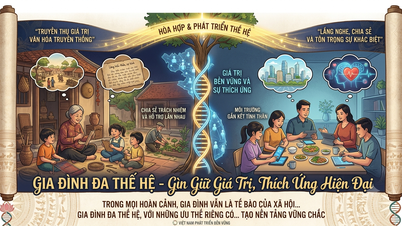
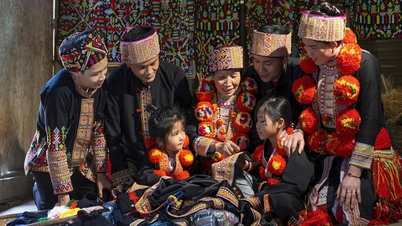
First and foremost, multigenerational families create a close-knit environment, allowing members to share responsibilities and support each other in life. Grandparents have the opportunity to be close to, care for, and educate their grandchildren; parents can work and develop economically with peace of mind; and children are nurtured in an environment rich in love and care. This is also a favorable environment for transmitting traditional cultural values, filial piety, respect for elders, and a sense of responsibility towards family and community.
However, it is undeniable that multigenerational families today also face many challenges. Differences in mindset, lifestyle, parenting views, and approaches to technology between generations can easily lead to conflicts and communication gaps. Without mutual understanding and respect, small conflicts can affect family harmony.



Therefore, for multigenerational families to truly become a solid support system for each member, they need to adapt appropriately to new social conditions. Each generation needs to learn to listen, share, and respect differences. Older generations need to be open to the changes of the times, while younger generations need to cherish the life experiences and traditional values that their grandparents and parents have cultivated.
Under all circumstances, the family remains the basic unit of society, the place where character is formed and positive human values are nurtured. Multigenerational families, with their unique advantages, not only contribute to preserving national cultural identity but also create a solid foundation for the sustainable development of society in the new era.
Sky Blue



Source: https://baotuyenquang.com.vn/van-hoc---nghe-thuat/tan-van/202606/te-bao-cua-xa-hoi-a331f62/

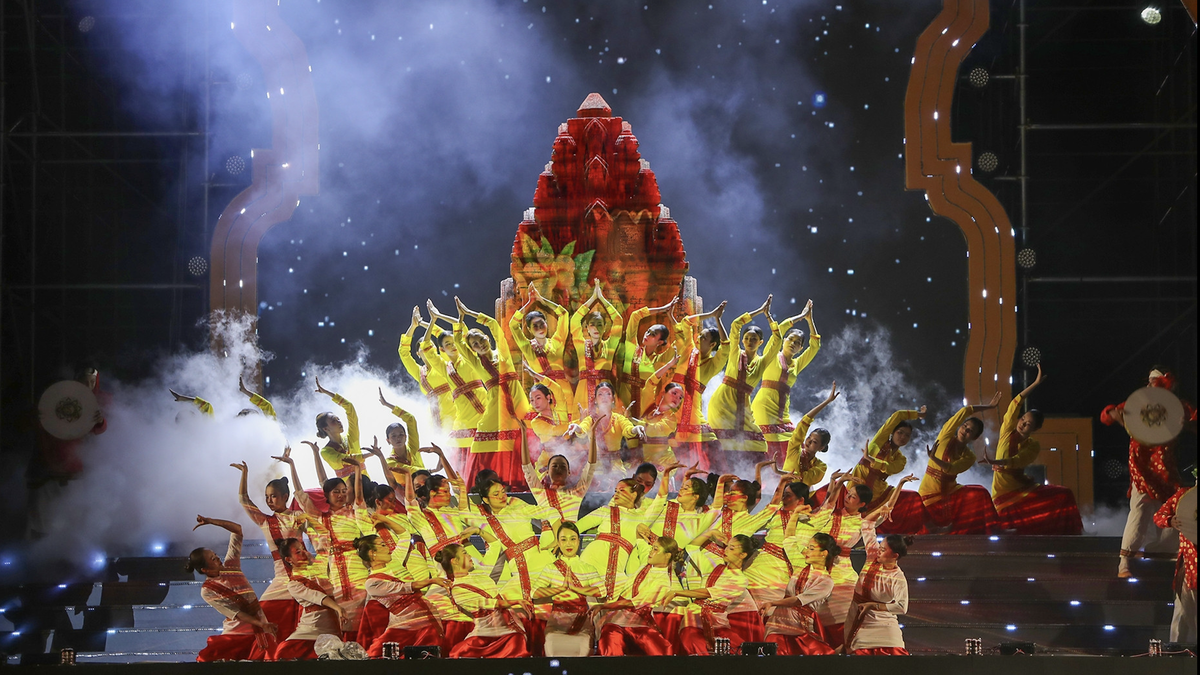
![[Photo] "Hanoi Lotus Festival" honors the lotus flower that has been associated with Vietnam for thousands of years.](https://vphoto.vietnam.vn/thumb/1200x675/vietnam/resource/IMAGE/2026/06/27/1782516943048_sen-ha-noi-2026-minh-duy-1-jpg.webp)