Invisible distance
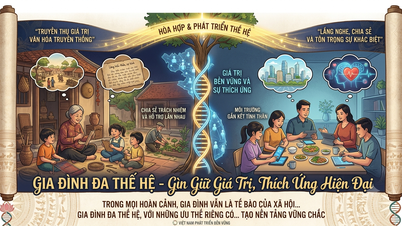
From ancient times to the present day, the image of a family meal shared by three or four generations living together has always been a beautiful cultural tradition deeply ingrained in the Vietnamese psyche. A house where multiple generations live together is not just a physical living space, but essentially a cradle that nurtures the soul. There, grandparents and parents are like solid roots, passing on family traditions, life skills, and unconditional love. Conversely, children and grandchildren repay this with filial piety, respect, and care in their old age.
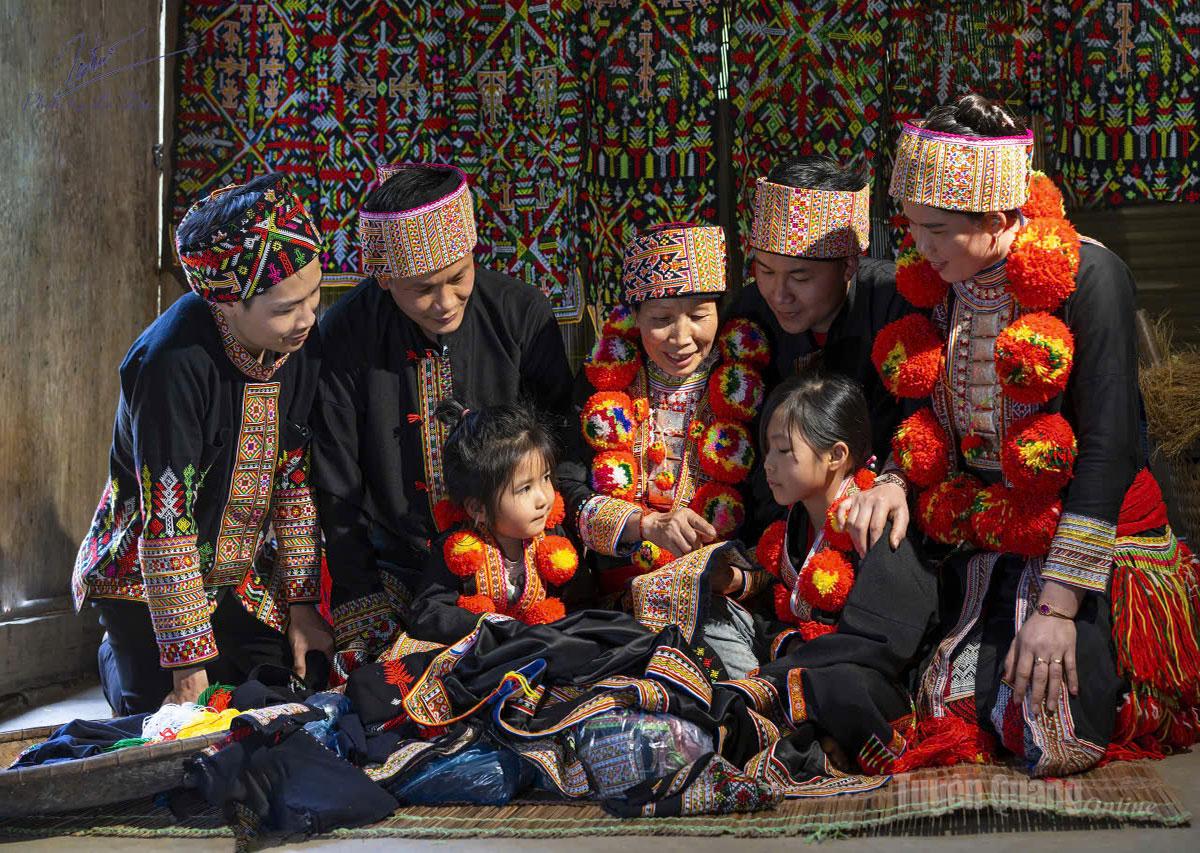 |
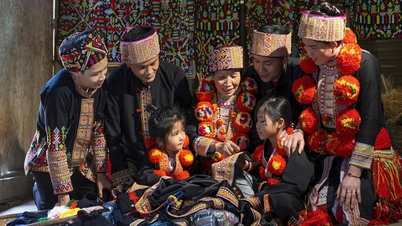
| Ms. Phung Thi Tam, from Minh Quang commune, always teaches her children to preserve their cultural identity and roots to strengthen the bond between generations in the family. |
Preserving that warm family tradition, Mr. Nong Van Hoang, from Dong Huong village, Chiem Hoa commune, proudly shared about his three-generation extended family: "My house is always filled with laughter. For us elderly people, having our children and grandchildren around makes us feel happy and healthy. After working in the fields or coming home from school, the whole family gathers around the dinner table, sharing whatever delicious food is available. Family bonds are naturally strengthened, and it's easier for adults to remind and teach the children."
According to Nguyen Thuy Linh, a lecturer at the University of Social Sciences and Humanities and a Master of Sociology: "Multigenerational families possess immense intrinsic strength. This environment helps young people learn gratitude, tolerance, and coexistence skills—core values for developing a good character."
However, the fast pace of life and the explosion of technology are profoundly changing the structure of families. The trend of young people getting married and then moving out to live separately, forming small families with only two generations, is becoming increasingly common. Even in families that strive to maintain a multi-generational lifestyle, behind closed doors sometimes lie invisible gaps of interaction between old habits and new ways of life. Ms. Nguyen Thuy Linh, a Master's degree holder, adds that generational conflicts often stem from seemingly simple things like mismatched schedules or significant differences in habits and ways of thinking.
 |
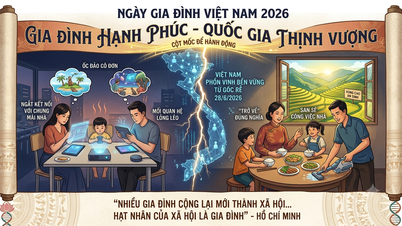
This gap becomes even more apparent as technology advances. Family meals – traditionally meant to strengthen bonds and shape lifestyles – are becoming increasingly rare. Instead, it's not uncommon to see each family member, after work or school, retreating to a private corner, glued to their smartphone or watching TV. Mr. Le Van Hung, from Tan Ha 3 residential group, Minh Xuan ward, shared his feelings: “Before, after dinner, the whole family would linger around the table, adults drinking tea, children eating fruit, and sharing stories about work and school. Now it's different; the children quickly excuse themselves after eating. The husband works on his computer, the wife is busy scrolling through her phone replying to messages, and the grandson is glued to his iPad with headphones on.”
The fast-paced lifestyle and the allure of electronic devices have created an invisible gap under one roof, severing interaction and sharing between generations.
The desire to maintain the family tradition
In a multi-generational family, while the older generation may feel a touch of nostalgia and a sense of disillusionment with the changing times, the younger generation is easily swept up in the busy pace of modern life. Between these two extremes lie the parents, aged 30 to 45. There are no intense conflicts or significant differences; their burdens are simply the quiet anxieties of daily life.

According to psychologist Dr. Hoang Mai Anh, a lecturer at the Hanoi University of Trade Unions, the dilemma faced by those caught in the middle stems from love and a desire to nurture a complete family. On one hand, they are filial children who always want their elderly parents to be at peace and live happily within their familiar routines. On the other hand, they are also parents who want to understand, befriend, and respect the freedom of their growing children. Faced with the natural differences in lifestyles between grandparents and grandchildren, they become silent "interpreters." They gently explain the conveniences and new things of the modern era to the elderly while subtly reminding children about traditions and respect for their grandparents.
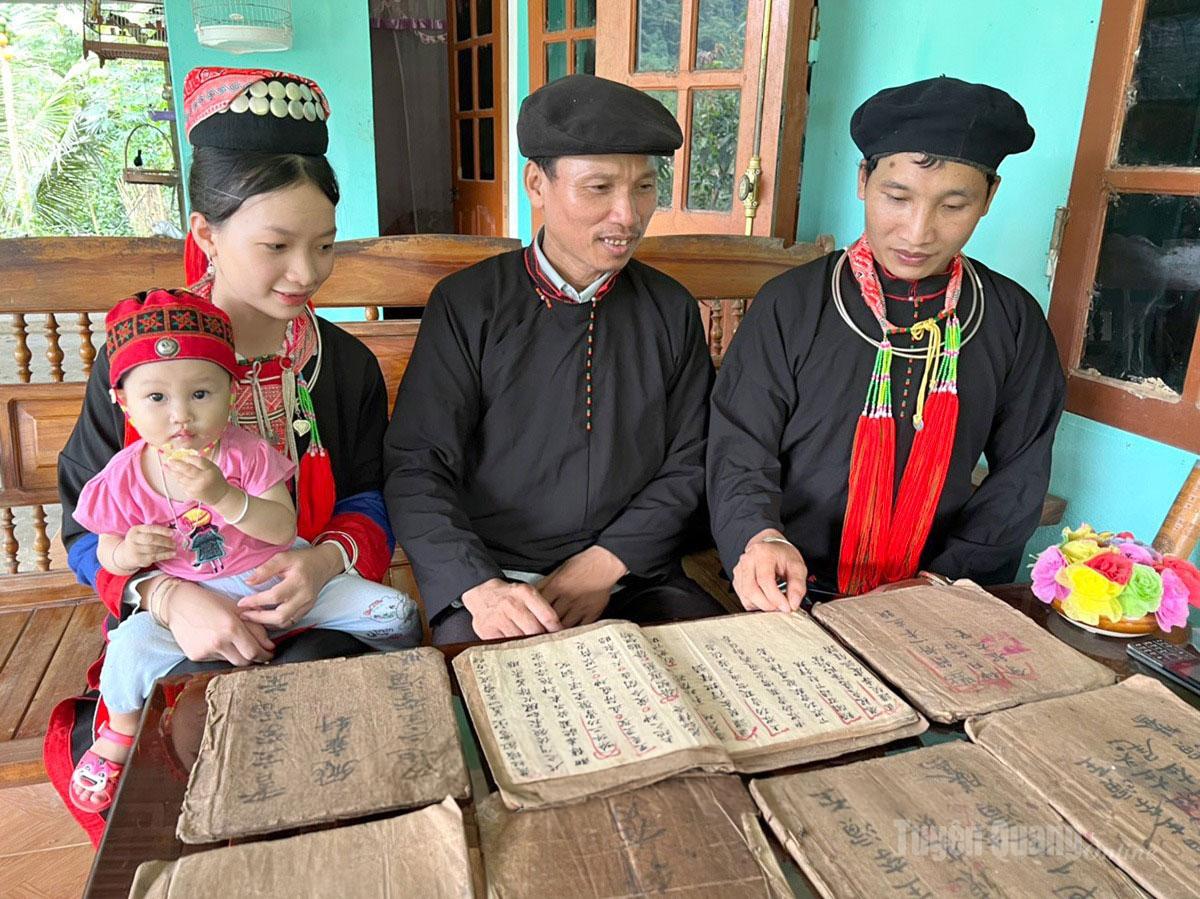 |
| A three-generation family in Hamlet 23, Tan Long Commune. |
These seemingly small things require a great deal of effort. After a busy day at work, they return home and continue to dedicate time to bonding with family members. Ms. Le Huong Giang, from Hamlet 6, Nong Tien Ward, shared: “My grandmother is elderly, and life has slowed down, so she really longs for conversation. But unfortunately, the younger generation is always listening to English lessons or browsing the internet whenever they have free time, so she's always alone. Seeing this, in the evenings I put aside my work and proactively call the whole family to the living room to peel fruit together, or ask the eldest child to teach her how to video call relatives far away. By cleverly creating opportunities for shared activities like this, the two of us can finally talk. By paying attention and acting as a bridge little by little, she feels less lonely, and the children gradually learn how to care for their elders.”
Viewing this connection from a psychological perspective, Dr. Hoang Mai Anh further shared: “The middle generation possesses a special empathy. They understand the aspirations of their parents and the needs of their children. Balancing the differences between the two generations requires great subtlety and patience. Without self-balancing skills or the support of their spouse, they can sometimes feel exhausted and uncertain even within their own efforts to nurture the family.”
 |
The art of reconciliation
To remove invisible barriers and bridge the generation gap, each member needs to learn to accept differences. In a shared home, the art of harmony lies in knowing how to establish "soft boundaries."
Ms. Trieu Thi Phuong, a lecturer in Family Sociology at the University of Social Sciences and Humanities in Ho Chi Minh City, affirms that this respect begins with very small things. Older people should be more open, stepping back to give younger generations the freedom to build their own families and raise their children, avoiding excessive interference that can create a suffocating atmosphere. Conversely, younger generations also need to slow down, understand the sensitive and easily hurt feelings of the elderly, and behave with tact.
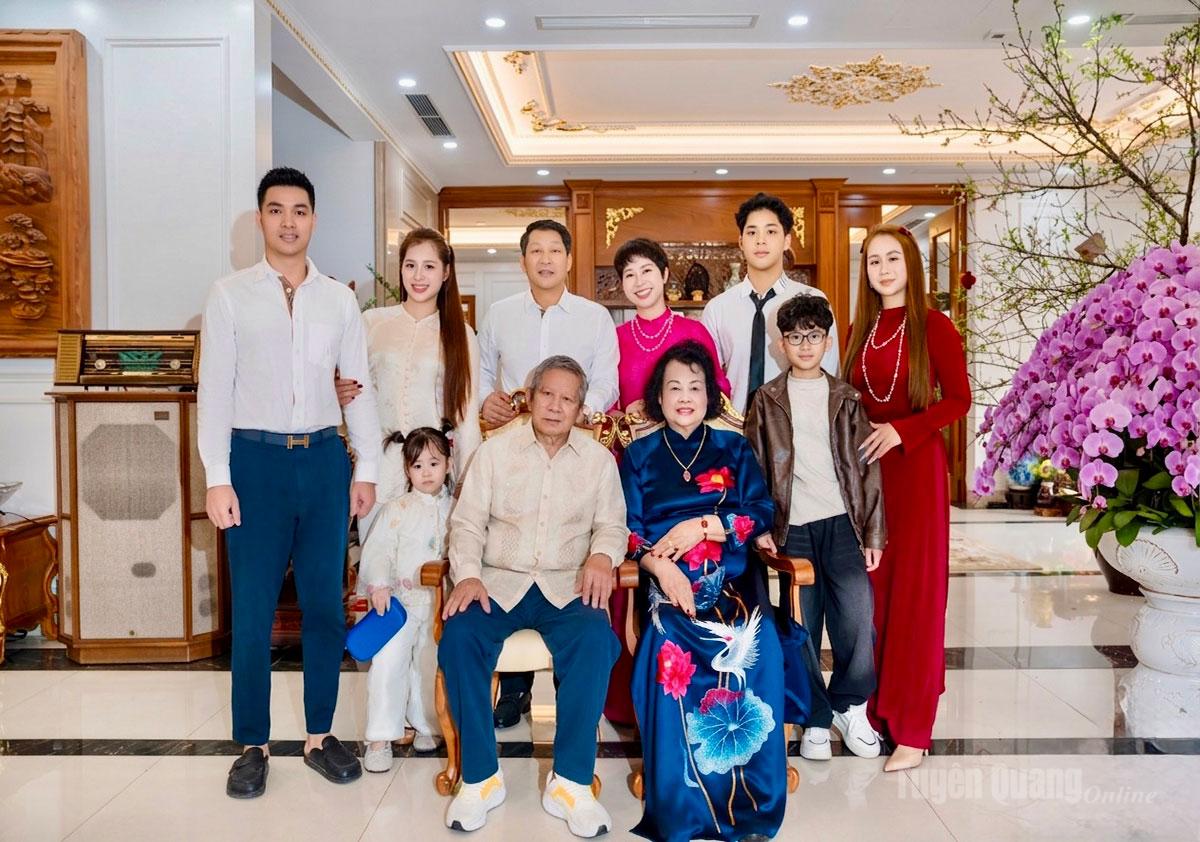 |
| A four-generation family in Minh Xuan ward. |
Once respect is established, the next step is to create quality time to bring family members closer together. Mr. Bui Trung Dung, from Tan Bac village, Ham Yen commune, shared: “My family now has a rule: from the moment we sit down for dinner until we finish eating fruit and drinking tea in the living room, absolutely no one is allowed to use their phone. Initially, the children were a little grumpy, but with consistent practice, they got used to it. Now, every evening, the grandparents have someone to listen to stories about neighborhood customs and traditions; the children chatter excitedly about school. The atmosphere in the house is much more lively, and my wife and I feel less stressed after a long day.”
Besides small habits, changing the way we communicate is the key. Instead of clinging to old ways of thinking, older people can embrace new things with tolerance. In return, young people should proactively draw older people into their world through simple actions such as patiently guiding them on how to use social media, making video calls with relatives, or reading the news. When connected to modern life, older people will feel valued and cared for.



The family of Mr. Hoang Quang Tuong, from Phai Khan village, Hong Thai commune, is a typical cultural family of Tuyen Quang province. He said: "Active listening is the medicine that connects emotions. When young and old people truly put themselves in each other's shoes to understand the generation gap, it will naturally narrow."
No matter how modern society becomes, a family with the voices of elders reminding of traditions, the presence of busy young people, and the cheerful laughter of children playing will always be an invaluable "privilege." As long as love is the root and respect the universal key, a multi-generational home will always be a place where storms cease behind closed doors, the most peaceful and secure haven for each life.
Giang Lam
Source: https://baotuyenquang.com.vn/xa-hoi/202606/mai-nha-da-the-he-05d1ced/


![[Photo] "Hanoi Lotus Festival" honors the lotus flower that has been associated with Vietnam for thousands of years.](https://vphoto.vietnam.vn/thumb/1200x675/vietnam/resource/IMAGE/2026/06/27/1782516943048_sen-ha-noi-2026-minh-duy-1-jpg.webp)