

Start your day with health news; you can also check out these articles: Scientific evidence points to ways to prevent lung, colon, and breast cancer; Adding lemon juice to food may benefit people with diabetes ; Does fasting help detoxify the body and lose weight?...
Drinks that effectively soothe sore throats.
Although they don't directly cure the illness, some of the following drinks can effectively help reduce the discomfort of a sore throat and boost your immune system.
Nutrition expert Amy Gorin (currently working in the US) says that people with sore throats should prioritize drinking warm water, as it has a soothing effect and reduces the uncomfortable burning sensation in the throat .

Adding honey to lemon water may help treat sore throats and coughs.
The expert also suggested a few warm drinks that can help soothe your throat when you're sick.
Lemon and honey. Warm lemon water contains a good amount of vitamin C, which can boost the immune system and help you recover from a cold quickly.
Adding honey to lemon water can also help treat sore throats and coughs. A study published in 2017 also showed that honey can speed up recovery from sore throats due to its anti-inflammatory and antibacterial properties.
Chamomile tea. Not only does it have a calming effect and help you sleep well, chamomile tea also effectively reduces sore throat inflammation. It also helps boost the immune system and helps us recover from illness faster. Further details of this article will be available on the health page on June 19th.
Adding lemon juice to food may be beneficial for people with diabetes.
The glycemic index (GI) of food is the rate at which carbohydrates in the food are broken down into glucose and absorbed into the bloodstream.
Foods with a high glycemic index (GI) are digested very quickly and cause a sudden spike in blood sugar. Therefore, the lower the GI of a food, the better, because the carbohydrates are broken down more slowly, allowing blood sugar to rise gradually. For this reason, experts share and explain tips to help reduce the GI of some starchy foods to a "very good" level .

An easy way to do this is to always add lemon juice to your salad during meals.
According to Garima Goyal, a renowned Indian nutritionist, the higher the glycemic index (GI) of a food, the more rapid the spike in blood sugar levels.
Clinical nutritionist Ushakiran Sisodia, a researcher and diabetes specialist at Nanavati Max Super Specialty Hospital (India), says that foods with a lower glycemic index (GI) are digested and absorbed more slowly, resulting in a slower and less frequent increase in blood sugar levels.
Health expert and head coach Basu Shanker of Royal Challengers Bangalore (India) says that squeezing fresh lemon juice into starchy foods can be very helpful in controlling insulin spikes. Readers can find more information on this topic in the health section of the June 19th article .
Scientific evidence points to ways to prevent lung, colon, and breast cancer.
New research published on June 13 in the international journal on cancer has confirmed several things you can do to prevent some of the most common types of cancer.
"This finding is very exciting because it provides further evidence of the best ways to reduce cancer risk, particularly breast, bowel and lung cancer," said co-author Dr. Fiona Malcomson, a researcher at Newcastle University (UK).
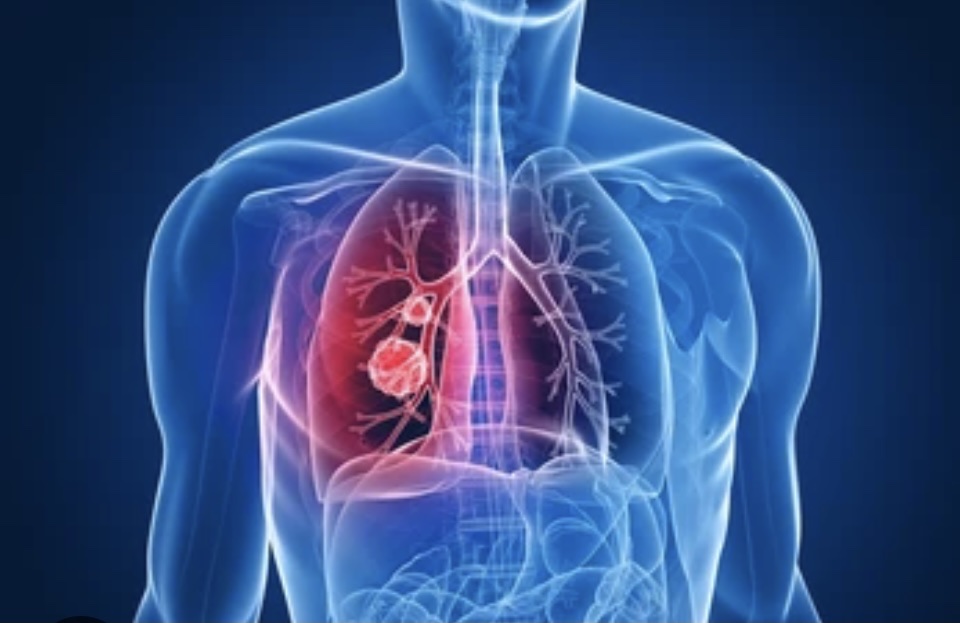
This finding is exciting because it provides further evidence on the best ways to reduce the risk of cancer, particularly breast, colon, and lung cancer.
Approximately 40% of cancer cases are linked to lifestyle habits such as physical inactivity, smoking, obesity, poor diet, and excessive alcohol consumption.
New research from Newcastle University has confirmed that giving up these habits can reduce the risk of cancer. In particular, cutting back on alcohol, red meat, and processed foods can help prevent bowel, breast, and lung cancer.
Experts at Newcastle University reviewed evidence on the effects of adhering to the "Cancer Prevention Recommendations" of the World Cancer Research Fund (WCRF) and the American Institute for Cancer Research (AICR) on cancer risk. Start your day with health news! Read more in this article!
Source link





![[Photo] General Secretary and President To Lam and the President of the Philippines hold talks.](https://vphoto.vietnam.vn/thumb/1200x675/vietnam/resource/IMAGE/2026/06/01/1780286997787_anh-man-hinh-2026-06-01-luc-11-09-43.png)


































































































Comment (0)