

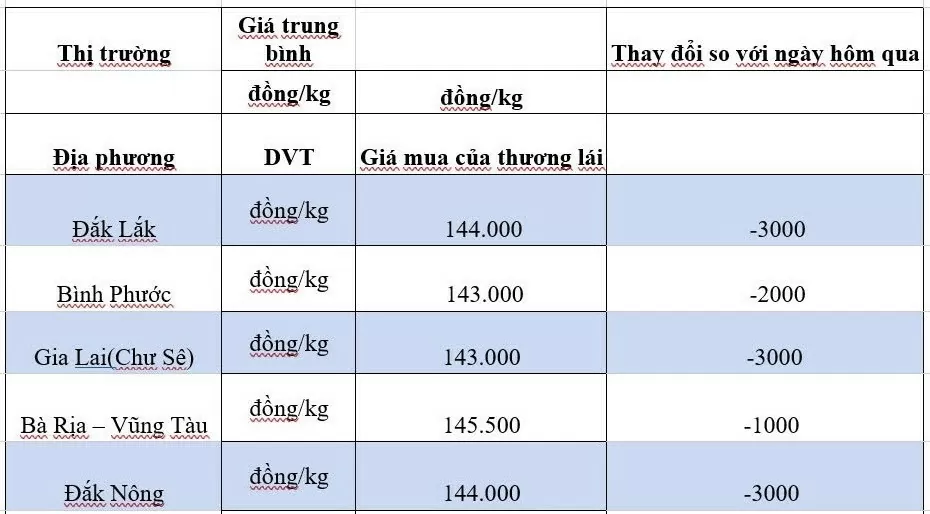
Today, October 12, 2024, pepper prices in key producing regions have fallen sharply by 1,000 - 3,000 VND/kg compared to yesterday, trading around 143,000 - 145,500 VND/kg, with the highest purchase price in Ba Ria - Vung Tau at 145,500 VND/kg.
Accordingly, the price of pepper in Dak Lak is being purchased at 144,000 VND/kg, a decrease of 3,000 VND/kg compared to yesterday. The price of pepper in Chu Se (Gia Lai) is being purchased at 143,000 VND/kg, a decrease of 3,000 VND/kg compared to yesterday. The price of pepper in Dak Nong today is recorded at 144,000 VND/kg, also a decrease of 3,000 VND/kg compared to yesterday.
In the Southeast region, pepper prices today (October 12, 2024) mainly fluctuated compared to yesterday. Specifically, in Ba Ria - Vung Tau, the price is currently at 145,500 VND/kg, a decrease of 1,000 VND/kg compared to yesterday. In Binh Phuoc, the price of pepper today is at 143,000 VND/kg, a decrease of 2,000 VND/kg compared to yesterday.
Thus, today's pepper price (October 12, 2024) is up to 3,000 VND/kg. The highest price recorded is 145,500 VND/kg, while the lowest price is in Binh Phuoc province and Chu Se (Gia Lai) at 143,000 VND/kg.
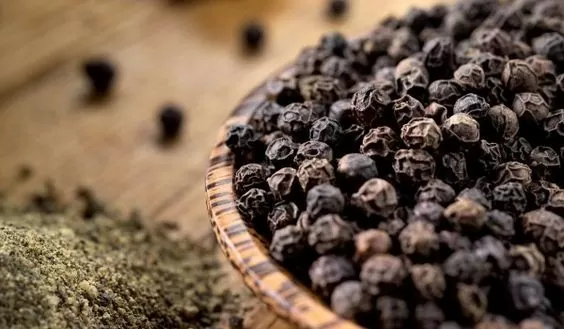 |
| Pepper prices today, October 12, 2024: The market is plummeting, what are the reasons? |
Today's world pepper prices:
According to the International Pepper Association (IPC), at the close of the most recent trading session, the IPC listed Indonesian Lampung black pepper at US$6,732/ton, up 0.31%, and Muntok white pepper at US$9,002/ton, also up 0.31%.
Brazilian ASTA 570 black pepper prices remained unchanged from yesterday at US$6,750/ton. Malaysian ASTA black pepper prices were down 1.15% at US$8,700/ton; Malaysian ASTA white pepper prices reached US$11,200/ton.
Vietnamese black pepper prices remain stable at US$6,800/ton for the 500 g/l grade; US$7,100/ton for the 550 g/l grade; white pepper prices remain at US$10,150/ton...
Today's pepper prices have fallen sharply, clearly reflecting the ongoing difficulties in the global pepper market. Despite the drop, prices remain at double the level of the same period last year, reaching 67,000 VND/kg. However, this decline has raised concerns about the future prospects of Vietnam's pepper industry.
According to experts, the main reason for this decline is the end of the harvest season in South India, the world's second-largest pepper producer. The completion of the harvest has led to increased inventories, putting downward pressure on prices in the market. In addition, pepper production is expected to increase by 6% in 2023-2024, reaching approximately 60,000 tons, further contributing to this downward pressure on market prices.
However, the problem is not limited to the Indian market. The unstable global economic situation, with high inflation, rising interest rates, and geopolitical conflicts, is pushing the global economy towards recession. This is causing pepper importers to act cautiously, reducing purchases to avoid risk, leading to decreased demand and lower pepper prices.
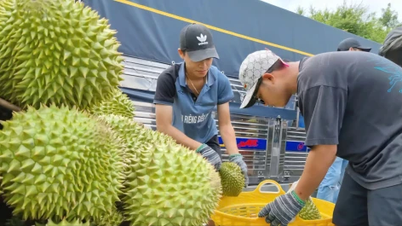
Furthermore, pepper production in the three Central Highlands provinces is facing difficulties due to competition from other crops such as durian and coffee. Changes in crop structure have led to a decrease in pepper cultivation area, affecting both yield and price.
The 2025 pepper harvest in Vietnam is expected to be delayed by 1-2 months compared to previous years, lasting from February to April due to drought. This could lead to a decrease in pepper production and create conditions for a rebound in pepper prices; however, maintaining high prices remains uncertain given the unstable global economic situation.
Vietnam's traditional markets have imported large quantities of pepper over the past nine months and have temporarily halted further purchases, awaiting market developments. Large investor inventories have decreased; however, expected demand from China and Europe towards the end of the year could push global pepper prices higher in the short term.
In summary, the pepper market is facing numerous uncertainties. Pepper prices have fallen but remain high, production is expected to decrease, and the global economic situation is negatively impacting demand. Vietnamese pepper producers and exporters need appropriate strategies to cope with these challenges, ranging from diversifying markets and improving product quality to seeking financial support to maintain and develop the Vietnamese pepper industry.
 |
*This information is for reference only; prices may vary depending on the region and location.
Source: https://congthuong.vn/gia-tieu-hom-nay-12102024-thi-truong-lao-doc-khong-phanh-nguyen-nhan-do-dau-351873.html















































































Comment (0)