

High blood pressure is one of the leading causes of cardiovascular disease in the United States, affecting nearly half of adults. Approximately 1 in 10 of these patients have resistant hypertension – a condition that is very difficult to treat.
Recently, in a study published in the journal Device, researchers at Pennsylvania State University reported developing a device called CaroFlex, fabricated using 3D printing technology, combining flexible electronic components with a conductive hydrogel layer that can directly adhere to living tissue without the need for sutures. In initial animal trials, the device helped reduce blood pressure and significantly reduced the irritation and tissue damage commonly seen with traditional implants.
According to the research team, CaroFlex is made of a conductive hydrogel material with flexibility closely resembling natural biological tissue. The device is also coated with a special adhesive hydrogel, allowing it to adhere directly to the artery wall without the need for surgical sutures.
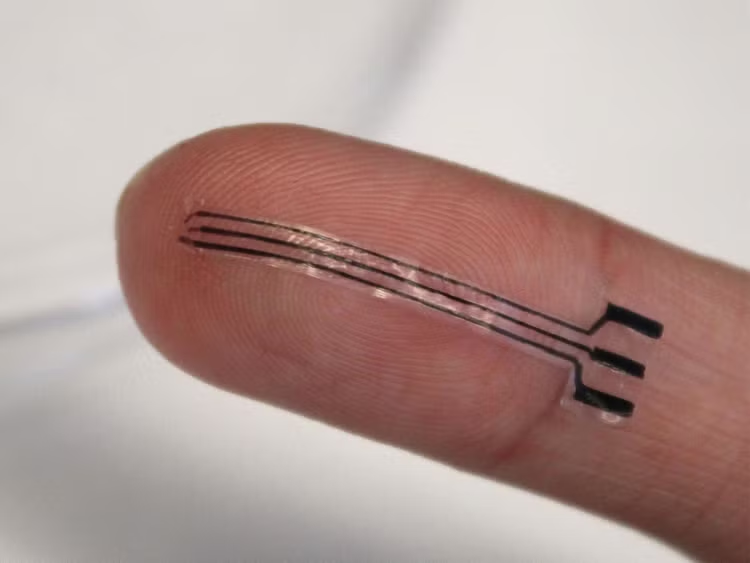
Tao Zhou, an assistant professor in the Department of Engineering and Mechanics and the lead author of the study, said that traditional implants are often secured with sutures and can damage surrounding tissue over time.
Meanwhile, CaroFlex works by influencing the body's natural pressure reflex system, which regulates blood pressure through nerve signals. The device is placed near the carotid sinus, located on the carotid artery, which contains numerous nerve endings that sense blood pressure. Receptors there continuously send signals to the brain to regulate heart rate and blood vessel elasticity. Through low-frequency electrical pulses, the CaroFlex device stimulates these receptors to regulate the body's response to elevated blood pressure.
According to Tao Zhou, many patients currently use a combination of 3-5 medications, yet their high blood pressure still doesn't decrease. For these cases, bioelectronic therapies like CaroFlex could become a potential supplementary solution for patients who are resistant to medication.
Before testing on animals, the research team evaluated the mechanical strength and electrical conductivity of the CaroFlex device in the laboratory. Test results showed that the hydrogel structure could be stretched to twice its original size before breaking, while the adhesive layer maintained stable performance after 6 months of storage.
When CaroFlex was implanted in laboratory mice, the device showed a significant effect in lowering blood pressure. In the five electrical stimulation modes tested, four modes resulted in a reduction of average blood pressure of over 15%. After two weeks of implantation, the surrounding tissues showed almost no signs of inflammation or significant immune response.
Researchers are currently continuing to optimize CaroFlex before moving on to testing the device on larger animals and conducting future clinical trials on humans.
Source: https://khoahocdoisong.vn/thiet-bi-in-3d-giup-ha-huyet-ap-hieu-qua-tu-my-post2149100687.html
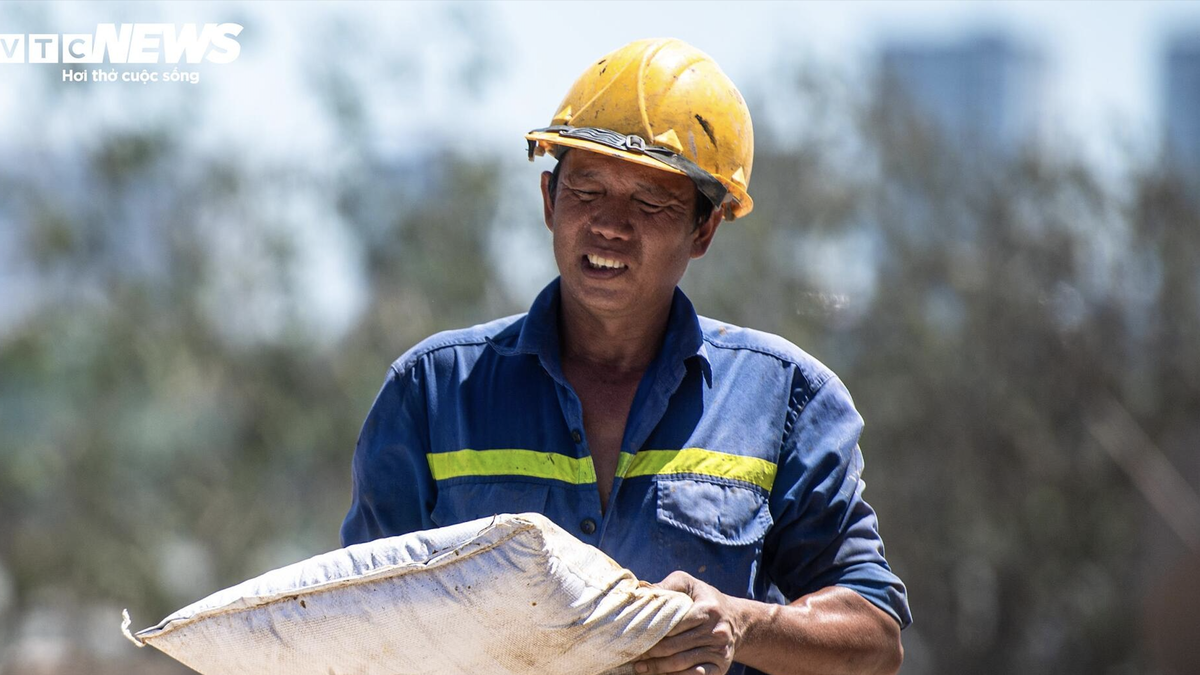


![[Image] Hanoi's urban life under the challenge of a "scorching hot" environment](https://vphoto.vietnam.vn/thumb/1200x675/vietnam/resource/IMAGE/2026/05/25/1779706979265_nang-nong-t5-2026-minh-duy-7-4636-jpg.webp)
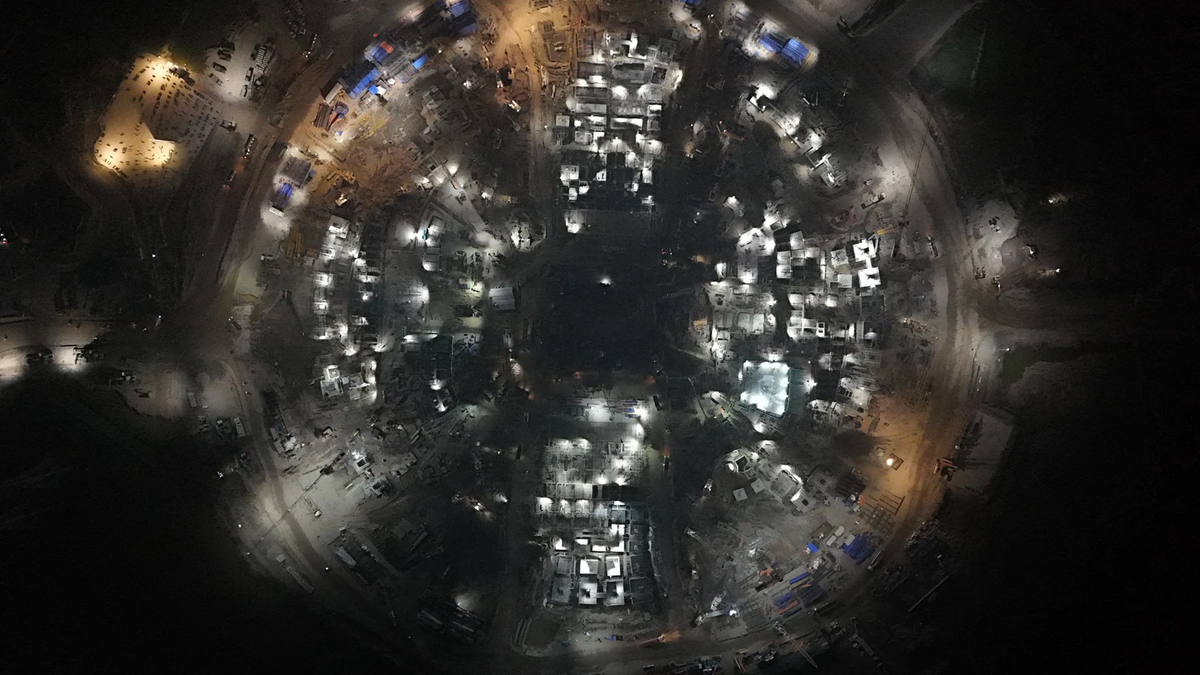
![[Image] Close-up view of the interchange connecting the two expressways and Long Thanh Airport.](https://vphoto.vietnam.vn/thumb/1200x675/vietnam/resource/IMAGE/2026/05/25/1779703378210_ndo_br_z7863716673926-224453a31600126cce10622af6290afd-4549-jpg.webp)














![[GALLERY] A completely different iPhone for the 20th anniversary edition](https://vphoto.vietnam.vn/thumb/402x226/vietnam/resource/IMAGE/2026/05/25/1779686871893_212-jpg.webp)







































































Comment (0)