

1. A lack of omega-3s makes it difficult for the body to control appetite.
- 1. A lack of omega-3s makes it difficult for the body to control appetite.
- 2. The body may recover less efficiently after exercise.
- 3. It may make the metabolic process less efficient.
- 4. Things to note when using omega-3 supplements
Omega-3s are involved in many activities related to hormones and nerve signals that control the body's feelings of hunger and satiety.
When this nutrient is deficient, the feeling of fullness after meals may be less stable, making many people more prone to craving sweets or snacking throughout the day. This is especially common in people who have been dieting for a long time or drastically reducing their fat intake.
In addition, omega-3s are linked to brain function and mood. A long-term deficiency in omega-3s can lead to fatigue, difficulty concentrating, or increased emotional eating. This is also one of the reasons why many people easily break down their diets despite trying to lose fat for a long time.
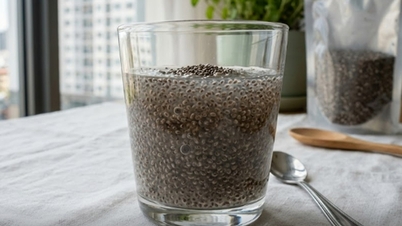
To help better control your portion sizes, you can supplement your omega-3 intake from foods like salmon, sardines, mackerel, chia seeds, or walnuts. Maintaining a source of healthy fats in your meals often helps you feel fuller for longer, rather than getting hungry quickly as you might with overly strict diets.

When there is a deficiency of omega-3s, the feeling of fullness after meals may be less stable, making many people more prone to craving sweets or snacking throughout the day.
2. The body may recover less efficiently after exercise.
Omega-3s, particularly EPA and DHA, are involved in inflammatory responses and the body's recovery process after exercise. Insufficient intake can lead to persistent muscle soreness, fatigue, or reduced endurance after consecutive workouts. This can easily reduce the quality of training, thereby impacting long-term fat-burning effectiveness.
In addition, omega-3s support cardiovascular function and blood circulation. When the body recovers better, maintaining a regular exercise routine becomes easier, instead of getting tired quickly or giving up halfway. This is an important factor for those pursuing sustainable fat loss goals.
Many people trying to lose weight tend to exercise a lot but eat a diet that is too low in healthy fats for fear of gaining weight. However, a long-term lack of healthy fats can deprive the body of essential nutrients needed for recovery and adaptation after exercise.

It's recommended to take omega-3s after a meal close to your workout time to help reduce muscle inflammation.
3. It may make the metabolic process less efficient.
Many people believe that the faster you lose fat, the better. In reality, the body still needs a certain amount of healthy fats to maintain metabolic function, produce hormones, and support the absorption of fat-soluble vitamins like A, D, E, and K. A long-term deficiency in omega-3s can also affect energy utilization and hormonal balance.

Omega-3s are also linked to insulin sensitivity and low levels of inflammation in the body – factors commonly found in overweight or obese individuals. When the body is in a more stable metabolic state, exercise and weight management can also be more effective. Therefore, omega-3s are an important part of supporting fat loss.
Besides natural food sources like fatty fish or nuts, many people now choose to supplement omega-3s in the form of fish oil or algal oil capsules. In these products, EPA is often mentioned for its role in supporting cardiovascular health and reducing inflammation, while DHA is more closely related to brain and nervous system function.
4. Things to note when using omega-3 supplements
- Take with meals containing fat: Omega-3s are fat-soluble, so they are absorbed better when taken with meals containing healthy fats such as avocados, nuts, or olive oil. Take them after a meal close to your workout time to help reduce muscle inflammation.
- Maintain a consistent daily routine: The effectiveness of omega-3s largely depends on consistent use over a long enough period for the body to absorb and integrate them into cell membranes. Intermittent use or use for only a few days is unlikely to produce noticeable changes in cardiovascular health, inflammation, or post-exercise recovery.
- Choose the right dose for your needs: Healthy adults are generally recommended to supplement with approximately 250–500 mg of EPA and DHA daily to support overall health. Individuals engaging in high-intensity exercise or with specific needs should consult a healthcare professional before using higher doses.
- Caution: Individuals taking anticoagulants, high-dose aspirin, or with blood clotting disorders should consult their doctor before taking high-dose omega-3 supplements for an extended period.
Please read more here:
Source: https://suckhoedoisong.vn/thieu-omega-3-anh-huong-gi-den-qua-trinh-giam-mo-169260515113052284.htm
![[Image] Hanoi's urban life under the challenge of a "scorching hot" environment](https://vphoto.vietnam.vn/thumb/1200x675/vietnam/resource/IMAGE/2026/05/25/1779706979265_nang-nong-t5-2026-minh-duy-7-4636-jpg.webp)
![[Image] Close-up view of the interchange connecting the two expressways and Long Thanh Airport.](https://vphoto.vietnam.vn/thumb/1200x675/vietnam/resource/IMAGE/2026/05/25/1779703378210_ndo_br_z7863716673926-224453a31600126cce10622af6290afd-4549-jpg.webp)
































































































Comment (0)