

Pneumonia is an infection of the lung parenchyma accompanied by the production of secretions in the alveoli, including inflammation of the alveoli, alveolar ducts and sacs, terminal bronchioles, or interstitial tissue of the lungs. The disease is caused by bacteria, viruses, fungi, and other agents, but not by Mycobacterium tuberculosis.
Content
- 1. Classification of pneumonia
- 2. Common signs of pneumonia
- 3. Diagnosis of pneumonia
- 4. Preventing pneumonia
Pneumonia usually affects one lobe of the lung, but can damage multiple lobes when bacteria spread through the bronchi. Inflammation can spread to the pleura and pericardium. Pneumonia can be mild or severe depending on the causative agent, age, and overall health. Severe cases are more common in the elderly, children, immunocompromised or weakened individuals, and those with underlying medical conditions.
Pneumonia can occur in both children and adults. It is a common disease worldwide , affecting approximately 450 million people annually, and is one of the leading causes of death. The highest mortality rates are in children (<5 years old) and older adults (>75 years old).
The incubation period can vary from person to person. In most cases, pneumonia presents acutely (lasting less than 6 weeks) with clear symptoms appearing in the early days. In particular, the more severe the shortness of breath, the higher the risk of death in a short period of time (The incubation period of pneumonia is understood as the time between the first exposure to the virus or bacteria causing the disease and the onset of symptoms).
Similarly, chronic pneumonia presents with symptoms that persist for an extended period. A person is diagnosed with chronic pneumonia when the illness lasts for more than 6 weeks.
1. Classification of pneumonia
Pneumonia is classified into the following types:
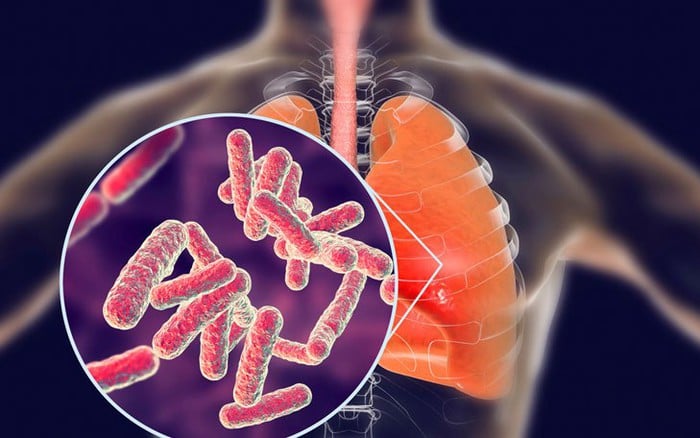
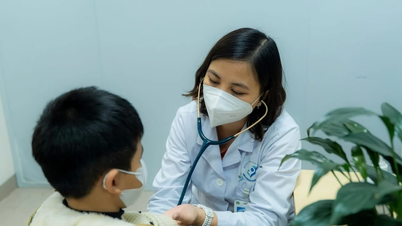
If you experience symptoms of pneumonia or suspect you have pneumonia, you should see a doctor for examination, diagnosis, and treatment.
- Community-acquired pneumonia (CAP): This is a bacterial infection of the lung parenchyma that occurs in the community, outside of a healthcare setting.
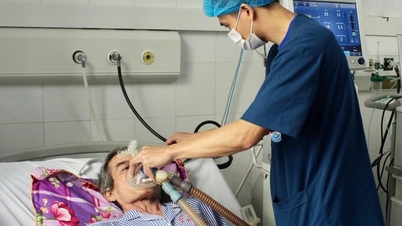
- Hospital-acquired pneumonia (HAP): This is an infection of the lung parenchyma acquired during a hospital stay exceeding 48 hours. This type of pneumonia can be more dangerous than others because the causative agent may be resistant to antibiotics.
Pneumonia can be classified according to its cause: Bacterial pneumonia; Viral pneumonia; Fungal pneumonia; Chemical pneumonia.
This article will discuss community-acquired pneumonia to provide readers with information about this type of pneumonia.
2. Common signs of pneumonia
Common signs of pneumonia appear mainly in acute cases, with symptoms usually appearing suddenly and frequently seen in young children and the elderly:
- Chest pain when breathing or coughing.
- Cough, dry cough, cough with phlegm
- Fever above 38 degrees Celsius, sweating, and chills.
- Tiredness, lethargy, and loss of appetite.
- Rapid breathing, shortness of breath during exertion.
- Nausea, vomiting, or diarrhea
Less common manifestations of pneumonia may arise from acute infections that are detected late or not treated promptly after more than two weeks. These symptoms are almost identical to the acute form but are prolonged and have a greater impact on health and daily life, such as:
- Coughing up blood
- Headache
- Muscle pain and joint pain
- Older adults may experience confusion or changes in consciousness.
For the average person with mild symptoms, the illness can be treated at home and may resolve completely on its own within 2-3 weeks. However, pregnant women who suspect they have the illness should immediately seek medical attention and treatment as directed by their doctor to avoid affecting the health and lives of both mother and fetus.
3. Diagnosis of pneumonia
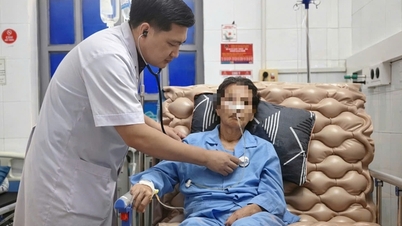
Depending on the individual and the specific case, the disease may present with clear clinical symptoms or even no symptoms at all. During the examination, the doctor will assess the patient's condition to order diagnostic tests for pneumonia and determine the cause in order to provide appropriate treatment methods, such as: Chest X-ray to assess parenchymal damage such as alveolar and interstitial lung tissue damage.
Blood tests are performed to check for lung infections. Sputum and blood cultures are taken to identify bacteria and viruses causing the lung infection.
CT scans can detect even the smallest or most subtle lesions (such as opacities in the lungs) that X-rays might miss.
Further tests may be needed to differentiate this condition from others:
- Pulmonary tuberculosis
- Pulmonary infarction (blockage of a pulmonary artery)
- Lung cancer
- Bronchiectasis with superimposed infection
4. Preventing pneumonia
To prevent pneumonia, and especially severe pneumonia, you should:
- Get a flu vaccine once a year: For all individuals over 6 months of age.
- Pneumococcal vaccination every 5 years is recommended for: individuals with chronic respiratory diseases, diabetes, chronic liver disease, chronic kidney disease, immunodeficiency, chronic heart disease, cerebrospinal fluid leakage, absence of the spleen or complement deficiency, alcoholism, and the elderly.
- Preventing the risk of virus and bacteria transmission from person to person.
- Thoroughly treat ear, nose, throat, and dental infections.
- Effectively manage underlying conditions such as diabetes, chronic obstructive pulmonary disease, asthma, chronic liver disease, chronic kidney disease, etc.
- No smoking cigarettes or pipe tobacco.
- Drink alcohol in moderation.
- Keep your neck and chest warm during cold weather.
- A healthy lifestyle helps boost immunity: eating a balanced diet, exercising regularly, and getting enough sleep and rest.
All cases exhibiting symptoms of pneumonia or suspected pneumonia require a visit to the doctor for examination, diagnosis, and treatment. Patients should not be complacent, self-treat, or self-medicate with antibiotics. Incorrect treatment can lead to worsening of the illness, complications, and an increased risk of antibiotic resistance.
Source: https://suckhoedoisong.vn/thoi-gian-u-benh-viem-phoi-bao-lau-169251227192935958.htm
![[Photo] The General Secretary, President and his wife meet with Vietnamese-Chinese friendship leaders.](https://vphoto.vietnam.vn/thumb/1200x675/vietnam/resource/IMAGE/2026/04/15/1776264829725_vna-potal-tong-bi-thu-chu-tich-nuoc-to-lam-gap-mat-nhan-sy-huu-nghi-viet-nam-trung-quoc-8703641-3130-jpg.webp)

![[Photo] Mrs. Ngo Phuong Ly meets and exchanges views with Mrs. Peng Li Yuan](https://vphoto.vietnam.vn/thumb/1200x675/vietnam/resource/IMAGE/2026/04/16/1776277858080_phu-nhan-1-jpg.webp)
![[Photo] My Son at night: A thousand-year-old heritage site amidst the Milky Way](https://vphoto.vietnam.vn/thumb/1200x675/vietnam/resource/IMAGE/2026/04/15/1776261039184_ndo_br_chon6-jpg.webp)
![[Photo] National Assembly Chairman Tran Thanh Man attends the opening session of IPU-152](https://vphoto.vietnam.vn/thumb/1200x675/vietnam/resource/IMAGE/2026/04/16/1776277863731_ctqh5-jpg.webp)








































































Comment (0)