

Viruses can spread rapidly through droplets when an infected person coughs, sneezes, or talks directly to a healthy person. Additionally, indirect contact such as shaking hands, touching elevator buttons, doorknobs, etc., also poses a risk of infection if we habitually touch our noses or mouths.
- 1. What are the symptoms of viral pneumonia?
- 2. Caring for patients with viral pneumonia
- - Regarding diet
- - Monitor your temperature and drink plenty of water.
- - Pay attention to hygiene
- 3. Preventing viral pneumonia
Many types of viruses cause illness in humans, with varying degrees of severity. However, the viruses that most commonly cause pneumonia include the following main types:
- RSV (respiratory syncytial virus): Commonly causes pneumonia in young children.
- Influenza viruses type A and B: These are the main causes of pneumonia in adults.
- Other viruses include: Parainfluenza virus, Coronavirus, Adenovirus… Some viruses rarely cause pneumonia, such as: Herpes simplex, chickenpox virus, measles virus…
1. What are the symptoms of viral pneumonia?
Viruses that cause pneumonia spread easily from person to person through droplets when an infected person coughs or sneezes. These droplets carrying the virus can enter a healthy person's body through the nose or mouth. In addition, the virus is also easily transmitted through hands when touching objects that may contain the virus, such as doorknobs and elevator buttons. The virus then enters the body through the hands when the mouth or nose is touched.
Therefore, when suffering from viral pneumonia, patients often experience symptoms such as: fever, cough; chills; headache; shortness of breath; chest pain; fatigue, loss of appetite; vomiting or nausea…
Key points to note are that patients often experience a dry cough or a cough with clear mucus, a low fever, accompanied by headache and fatigue. Chest X-rays may reveal thickened bronchi, opacities around the bronchi, hazy lines around the pulmonary hilum, and diffuse hazy nodules.
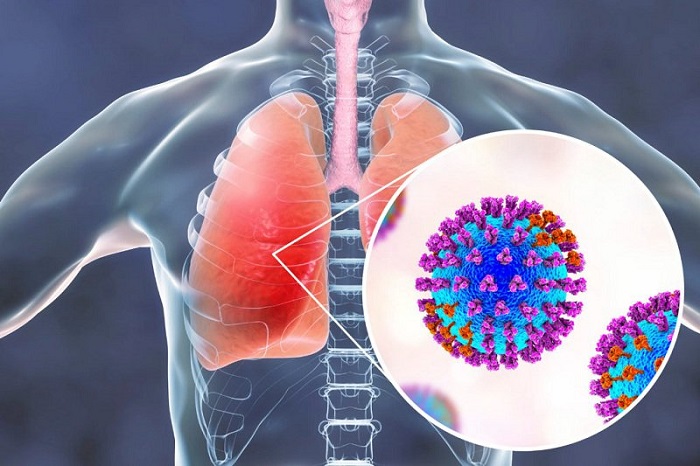
Viruses that cause pneumonia are transmitted from person to person through droplets when an infected person coughs or sneezes.
In reality, anyone can get viral pneumonia, but the most common groups include: the elderly; children; people with weakened immune systems; and people with chronic diseases such as liver, lung, kidney, cancer, diabetes, and malignant blood disorders. Additionally, patients using long-term immunosuppressant drugs are at a higher risk of developing viral pneumonia.
Patients should immediately seek medical attention at reputable healthcare facilities if they experience the following symptoms:
Difficulty breathing, rapid breathing, shortness of breath, feeling of breathlessness. Coughing up phlegm or blood. Chest pain, feeling of tightness or constriction in the chest. High fever with chills.
2. Caring for patients with viral pneumonia
Viral pneumonia sometimes has no obvious symptoms and may resolve on its own after a few days of exposure to the pathogen. However, when the patient exhibits clinical signs such as fever, cough, and shortness of breath, the doctor will perform a chest examination to listen for abnormal sounds and count the respiratory rate. Depending on the results of the clinical examination, the patient will be prescribed necessary paraclinical tests to determine the appropriate treatment plan.
In addition, patients may be instructed to use medications such as: electrolyte supplements, bronchodilators, painkillers, fever reducers, etc.
To ensure a speedy recovery and prevent complications, careful and comprehensive care is essential, including:
- Regarding diet
People with pneumonia should eat foods rich in protein, as protein helps repair lung damage and boost immunity. Easily digestible protein sources should be chosen, such as lean meat, fish, eggs; tofu; milk and yogurt.
In addition, green vegetables and fruits provide vitamins C, A, and E, which help boost immunity and reduce inflammation, including: oranges, grapefruits, kiwis, guavas; papayas, carrots, pumpkins; kale, broccoli, spinach, etc.
Food should be prepared to be soft and easy to swallow because people with pneumonia are often tired and cough a lot. Suitable dishes include: porridge, soup, broth; soft noodles; smoothies, and nutritional milk.
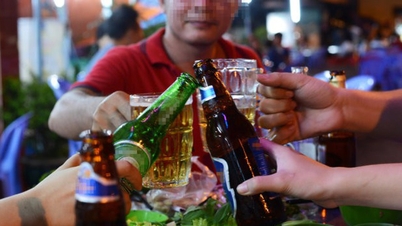
Foods to limit: When suffering from pneumonia, patients should avoid alcohol, coffee; greasy foods; spicy, fried foods; and ice-cold drinks. These foods can increase coughing, irritate the lungs, and cause dehydration.
- Monitor your temperature and drink plenty of water.
Patients need to drink plenty of water to help thin the phlegm, making it easier to cough up. Body temperature should be monitored regularly, and if a high fever occurs, fever-reducing medication should be used as prescribed by a doctor.
To reduce the risk of dehydration, patients should drink about 2–2.5 liters of fluids per day (unless they have heart or kidney disease). Suitable fluids include: plain water, warm water, diluted orange or lemon juice, and properly prepared oral rehydration solution (ORS).
After the fever subsides, patients should gradually increase physical activity. Practicing deep breathing and effective coughing helps clear the airways and improve lung expansion.
Patients should have a follow-up appointment and chest X-ray approximately four weeks after discharge. Smoking is strictly prohibited, as tobacco damages the function of the cilia in the respiratory tract – a crucial element in cleaning the air we breathe. Smoking also stimulates bronchial mucus secretion and inhibits the function of alveolar macrophages.
- Pay attention to hygiene
Properly clean your nose and mouth with soft tissues, wiping away nasal mucus and saliva, and discarding them immediately after use. If using cloth towels, wash and dry them thoroughly after each use, avoiding reuse of contaminated towels as this can create conditions for bacteria and viruses to return to the body.
Regularly clean the patient's home, toys, and belongings. Caregivers should wash their hands thoroughly before and after caring for the patient and preparing food, and wear masks to prevent infection.
If a patient exhibits symptoms of worsening illness such as confusion, rapid breathing, hypotension, shortness of breath, chest pain, or a persistent fever of 39°C or higher, they should be hospitalized immediately for examination and timely treatment. Early diagnosis and treatment help limit complications, reduce the risk of severe disease progression, and shorten the recovery time.
3. Preventing viral pneumonia
Viral pneumonia spreads through the air and contact, making it difficult to completely prevent. However, some measures can be taken to reduce the risk of contracting the disease:
- Maintain the habit of washing your hands with soap before meals and after using the toilet. Do not share personal items with others.
- Get your flu shot regularly.
- Wear a mask when going to crowded places or hospitals; avoid close contact with people who are coughing or sneezing.
- Give up smoking, alcohol, stimulants, and alcoholic beverages.
- Supplementing with essential micronutrients helps boost the immune system and resistance.
- Adopting a healthy, nutritious diet and getting adequate rest are essential for improving physical condition and effectively preventing illness.
In summary: Viral pneumonia is not just a matter of medication treatment, but a comprehensive care process. From respiratory support and ensuring nutrition to monitoring complications and providing mental support, each step directly impacts the patient's survival and recovery.
With proper care, most patients can make a full recovery. Conversely, if neglected or improperly cared for, the disease can progress rapidly and leave severe consequences.
Source: https://suckhoedoisong.vn/cham-care-benh-nhan-viem-phoi-do-virus-169260114152930243.htm
![[Photo] Prime Minister Pham Minh Chinh holds a phone call with Angolan President João Manuel Gonçalves Lourenço](https://vphoto.vietnam.vn/thumb/1200x675/vietnam/resource/IMAGE/2026/03/16/1773674632171_ndo_br_dsc-4772-jpg.webp)


![[Photo] Prime Minister Pham Minh Chinh presides over meetings of the Government Standing Committee to discuss several important issues.](https://vphoto.vietnam.vn/thumb/1200x675/vietnam/resource/IMAGE/2026/03/16/1773674631996_ndo_br_img-5789-jpg.webp)










































































Comment (0)