1. Benefits of guava leaf water
- 1. Benefits of guava leaf water
- 2. How to make guava leaf tea
- 3. Notes on using guava leaf water
The leaves of the Paederia tomentosa plant, commonly known as hairy Paederia, are not only a familiar vegetable in meals but are also considered a medicinal herb in traditional medicine.
According to Traditional Chinese Medicine, guava leaves have a bitter, slightly sweet taste, a cooling nature, and act on the Spleen and Stomach meridians; they have the effects of clearing heat, detoxifying, dispelling wind, activating blood circulation, reducing swelling, aiding digestion, and eliminating parasites. Therefore, guava leaf tea is believed to offer certain health benefits.
1.1 Primarily treats digestive disorders
Traditional Chinese medicine considers guava leaves a top remedy for intestinal diseases, particularly dysentery. Patients with dysentery often experience frequent bowel movements, abdominal pain, and tenesmus (straining during defecation), with mucus or blood in the stool. Guava leaves help to "clear heat and reduce pus," eliminating the causative agents of dysentery (such as amoebas or bacteria).
In addition, guava leaf tea aids digestion, clears stagnation, and improves the function of the spleen and stomach, treating "stagnant food" (food remaining undigested, causing bloating, gas, and sour belching). Guava leaf tea is also used for diarrhea, especially diarrhea caused by internal heat or eating unfamiliar foods, or bacterial infections, due to its cooling, spleen-strengthening, and diarrhea-stopping effects.
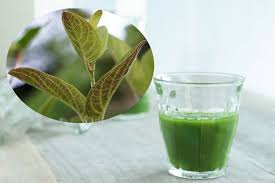
Mugwort leaf tea is a good remedy for the intestines.
1.2 Treatment of diseases caused by parasites
The juice extracted from guava leaves contains active ingredients that paralyze or kill certain types of worms, such as roundworms and pinworms. In Traditional Chinese Medicine, this is called the "worm-expelling" function.
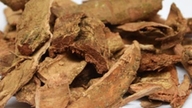
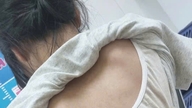

1.3 Primarily treats bone and joint diseases (rheumatism)
Traditional Chinese medicine uses guava leaves to treat bone and joint pain, rheumatism, and back and knee pain due to their ability to improve blood circulation, expel "wind" and "dampness" from the meridians, thereby reducing pain. Additionally, guava leaf tea has a cooling effect and is used to treat coughs caused by lung heat or whooping cough.
2. How to make guava leaf tea
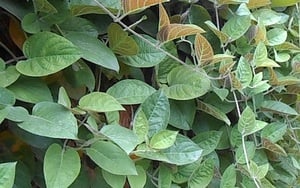
Ingredients: 1 handful of fresh guava leaves (about 30-50g), a little salt (or sugar to make it easier for children to drink).
Steps to follow:
- Preparation: Pick the young leaves of the star anise plant, discarding any wilted or damaged leaves; wash thoroughly under running water several times, then soak in diluted salt water for about 10-15 minutes to remove dirt and bacteria. Afterwards, drain the star anise leaves.
- Grinding/Pounding: Put the guava leaves into a mortar and pestle and grind them into a paste, or put them into a blender and blend until smooth with a little warm water (about 50ml).
- Filtering: Pour the crushed/ground mixture into a clean cheesecloth or sieve, squeeze or press to extract the juice, and discard the pulp.
- To finish: Add a little salt (or sugar) to the juice, stir well until dissolved.
Instructions: Take approximately 30 minutes before meals, 2-3 times a day, continuously for 2-3 days until symptoms subside.
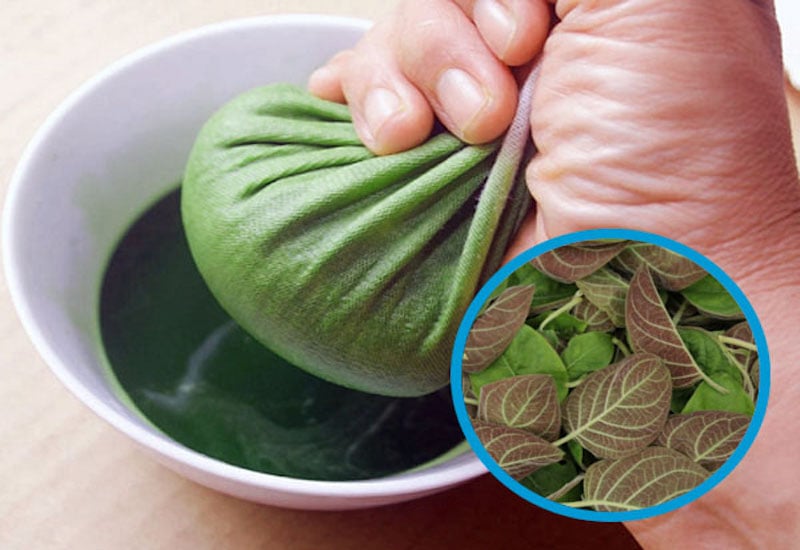
Mugwort leaf juice can be extracted by grinding or crushing fresh mugwort leaves.
3. Notes on using guava leaf water
Thorough preparation: The surface of the star anise leaves has many small hairs, making them very susceptible to dirt, chemicals, and bacteria... they need to be washed thoroughly under running water several times, and soaked in diluted salt water or a specialized vegetable wash for about 10-15 minutes before processing.
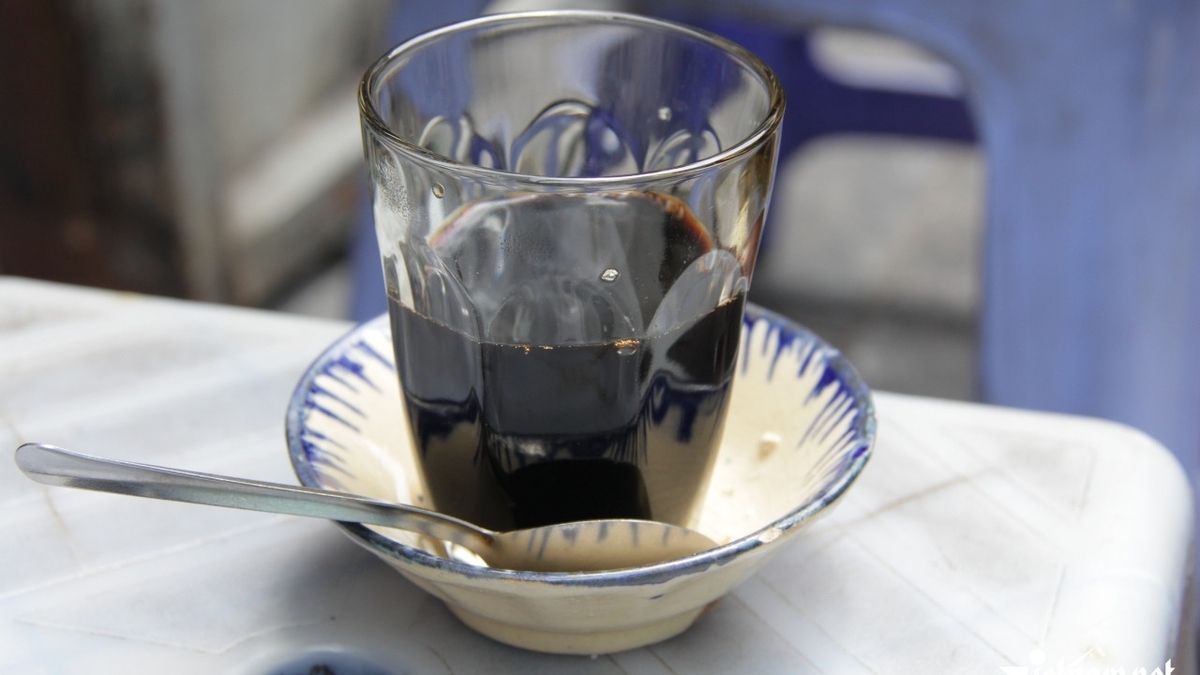
Blackening of the tongue: Eating or drinking large amounts of raw guava leaves may cause the tongue to turn black due to staining – this is harmless and will disappear on its own after a few days. You can clean your teeth and tongue thoroughly after use to minimize this condition.


Those who need to be cautious: Pregnant women, breastfeeding mothers, young children, and people with underlying medical conditions (liver, kidney, cardiovascular, etc.) should not use this product without consulting a doctor. It should not be used by individuals with allergies or herbal sensitivities.
Not a substitute for medication: Mugwort leaf tea only has a supportive effect and can treat mild, chronic illnesses. If symptoms become severe, prolonged, or show unusual signs (high fever, dehydration, severe pain, etc.), you need to go to a medical facility immediately for examination and timely treatment.
Use in moderation: Do not drink guava leaf tea too often or completely replace your daily water intake.
Source: https://suckhoedoisong.vn/nuoc-la-mo-co-tac-dung-gi-169260313113352375.htm