

 |
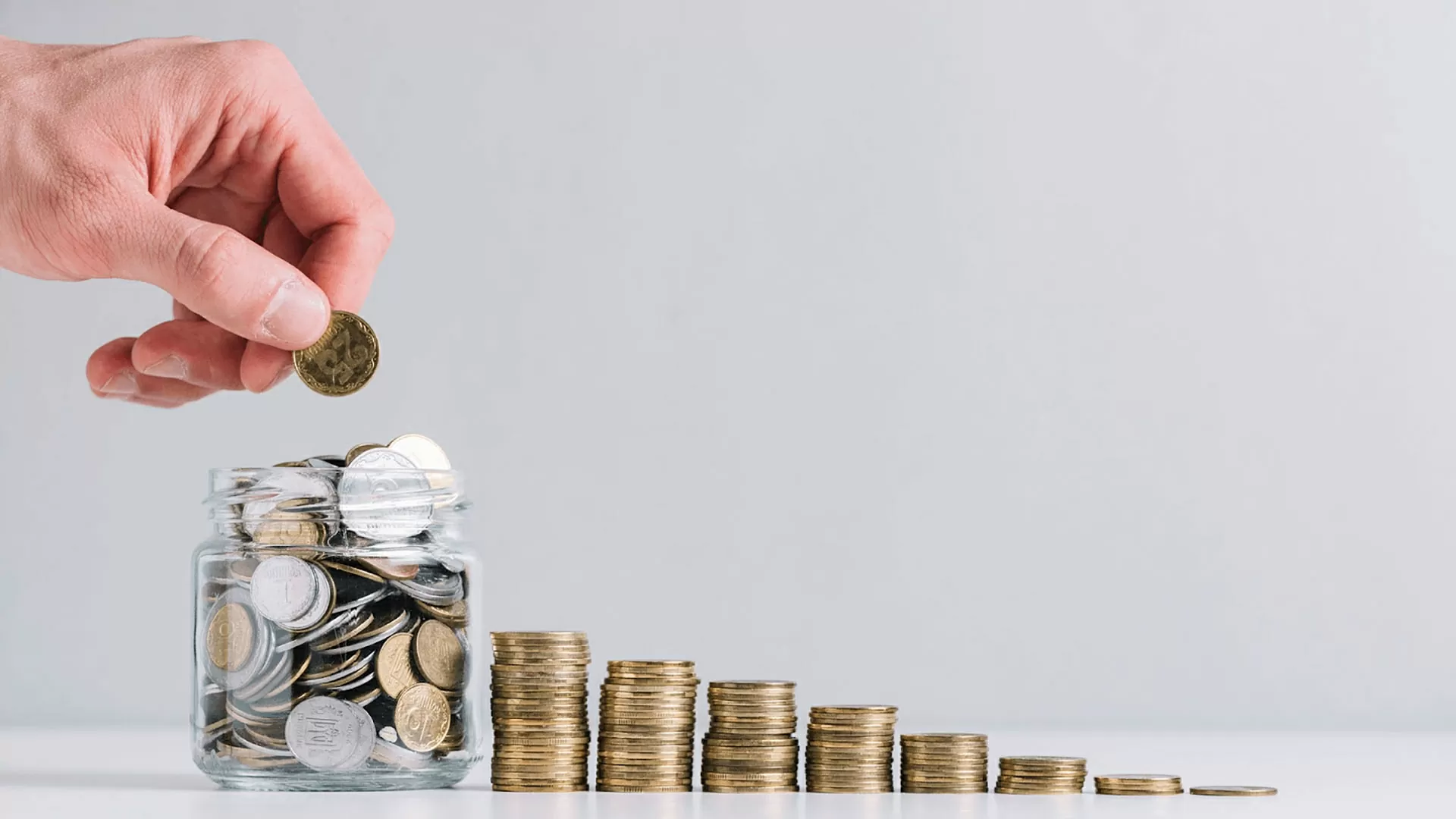
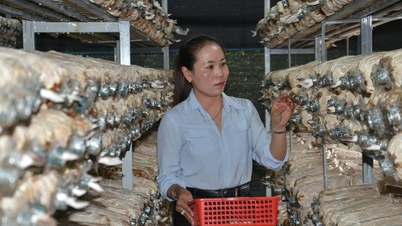
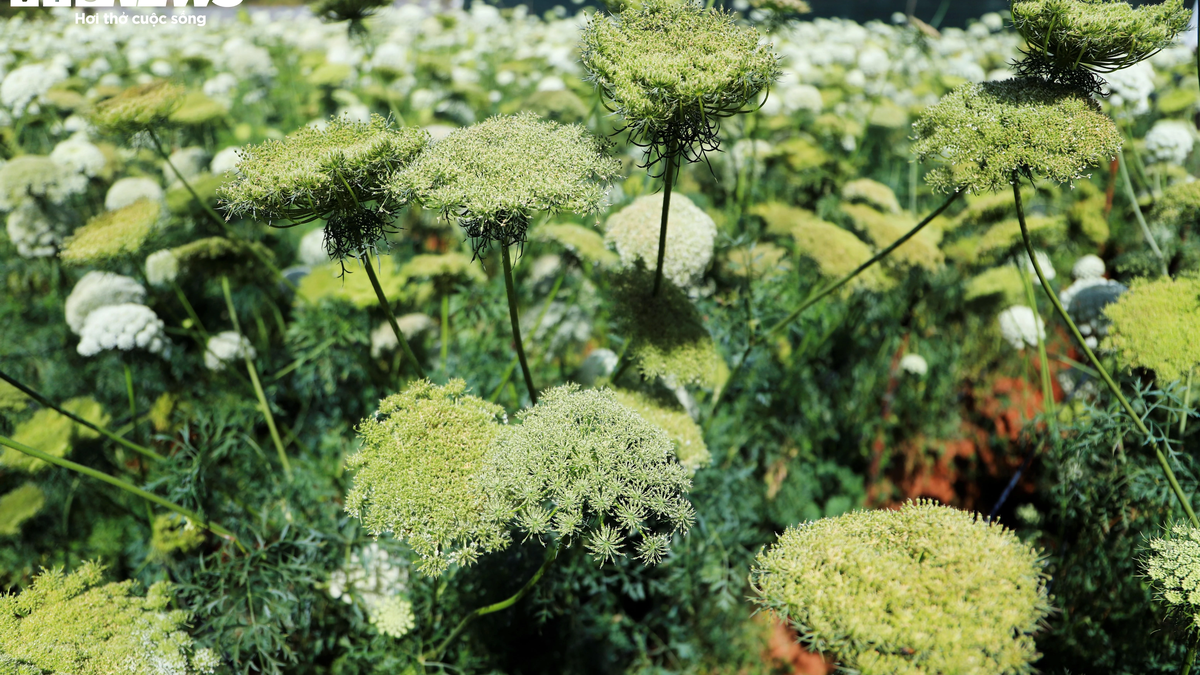
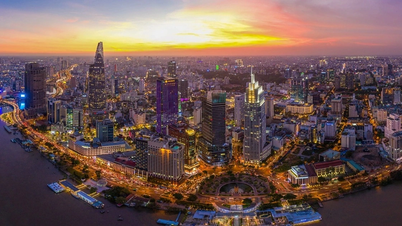
| A frugal lifestyle, starting from each individual and each family, is the foundation for a stable society, a prosperous and happy nation. (Illustrative image) |
In an increasingly affluent society, the seemingly simple spirit of frugality evokes memories of a tradition that once formed the enduring strength of each family, each community, and, more broadly, the entire nation.
Generations born in the 70s, 80s, and early 90s grew up in hardship, with meals of cassava mixed with rice, patched clothes, and folk sayings serving as guiding principles: "Make do with what you have," "Be thrifty and you'll be warm." A frugal lifestyle was not just a habit, but a strength of character that nurtured aspirations and preserved homes amidst scarcity.
Those children of the 70s, 80s, and 90s have now become the core workforce of modern Vietnamese society. While we still cherish the memories of our difficult childhoods, we never forget the values of frugality passed down from our ancestors, which helped us build a stable home for ourselves in the face of challenges.
Many beautiful and inspiring stories from everyday life are written from a persistently frugal lifestyle, such as Mr. Doan Nguyen Duc (Chairman of Hoang Anh Gia Lai Group) nurturing his dream from a small carpentry workshop; many young men and women from rural areas buying houses in Hanoi with a salary of 15 million VND/month; and recently, many people are no longer unfamiliar with the minimalist lifestyle or the "zero waste" lifestyle of living green and living slowly.
At the national level, during the revolutionary periods, our Party and State paid special attention to the practice of frugality. During the war, under the leadership of the Party and President Ho Chi Minh , with his exemplary leadership, every citizen tightened their belts, abstained from food and clothing, and sacrificed all personal material interests to focus their efforts on the front lines, helping to concentrate resources for the liberation of the country.
Entering the period of reform and then the subsequent period of international economic integration, and with the current deep international integration, "saving" has always been integrated into many policies and guidelines of the Party and the State. The slogan of saving has permeated every agency, enterprise, and school... from urban to rural areas.
In particular, as President Ho Chi Minh said, saving is not being stingy, "when there is no need to spend, not even a single penny should be spent; when there is something worthwhile to do, something beneficial to the people and the country, then no matter how much effort or expense it takes, one should gladly do it."
Deeply moved by this, we are not surprised to see Professor Le Ngoc Thach, a lecturer at the University of Science (Ho Chi Minh City), donating his savings of 1 billion VND to support those affected by Typhoon Yagi, or to see the resettlement area of Nu village rebuilt impressively after the storm... What remains in each person is a feeling of pride in the Vietnamese way of life and culture—frugality, simplicity, and yet imbued with human kindness.
When saving was once considered a "miracle" that helped overcome hardship, its role in life today cannot be underestimated. A thrifty lifestyle, from each individual and each family, is the foundation for a stable society, a prosperous and happy nation.
Source: https://baoquocte.vn/thuc-hanh-tiet-kiem-kheo-an-thi-no-kheo-co-thi-am-316656.html
















































Comment (0)