

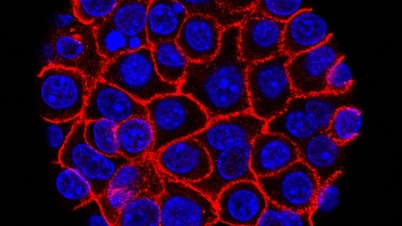
Beta cells in the pancreas have the crucial task of producing insulin in response to blood sugar levels, but a characteristic of diabetes is that these cells are destroyed or unable to produce enough insulin.
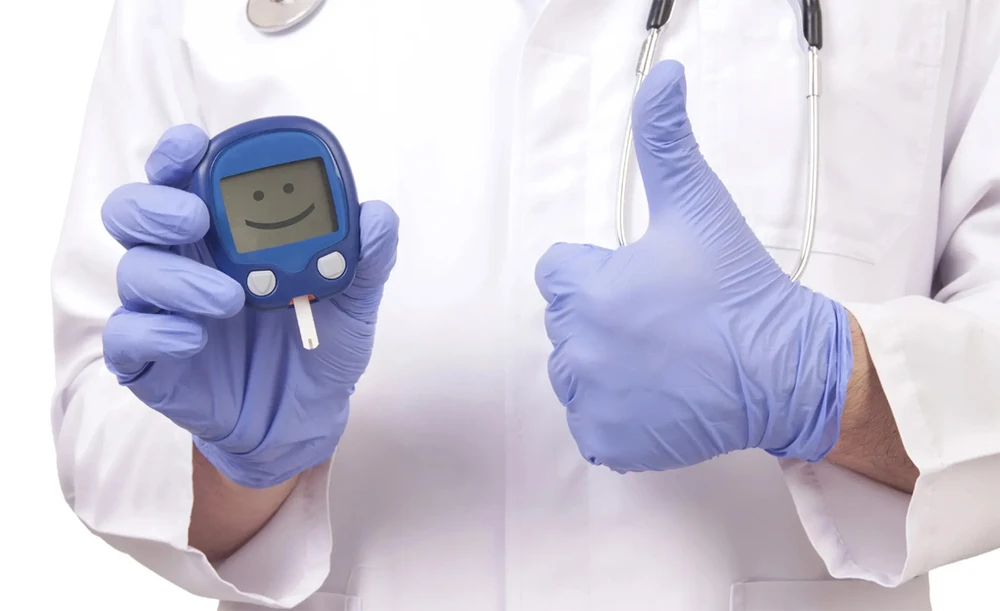
New research restores the function of beta cells by introducing stem cells into new beta cells, which are then transplanted into diabetic patients. This therapy combines two drugs: harmine—a naturally occurring molecule found in certain plants that inhibits an enzyme called DYRK1A in beta cells—and a GLP1 receptor agonist.
Scientists at Mount Sinai and City of Hope hospitals in New York tested this therapy on mouse models of type 1 and type 2 diabetes. First, they implanted a small amount of human beta cells into the mice, then treated them with harmine and a GLP1 receptor agonist. The number of beta cells increased by 700% within three months of treatment. The signs of the disease quickly reversed and remained so even months after treatment stopped. Dr. Adolfo Garcia-Ocaña, a member of the research team, said: "This research offers hope for the future use of regenerative therapies that could potentially treat hundreds of millions of people with diabetes."
LAM DIEN
Source: https://www.sggp.org.vn/thuoc-moi-chua-tieu-duong-post751807.html
![[Photo] General Secretary and President To Lam and the President of the Philippines hold talks.](https://vphoto.vietnam.vn/thumb/1200x675/vietnam/resource/IMAGE/2026/06/01/1780286997787_anh-man-hinh-2026-06-01-luc-11-09-43.png)




![[Photo] Reception to welcome General Secretary and President To Lam and his wife on their State visit to the Philippines](https://vphoto.vietnam.vn/thumb/1200x675/vietnam/resource/IMAGE/2026/06/01/1780295488620_vna-potal-chieu-dai-chao-mung-tong-bi-thu-chu-tich-nuoc-to-lam-va-phu-nhan-tham-cap-nha-nuoc-toi-philippines-8798060-7855-jpg.webp)
































































































Comment (0)