

U.S. House Speaker Kevin McCarthy and Senate Majority Leader Chuck Schumer are planning a vote on a bipartisan deal to help the U.S. avoid a catastrophic default before June 1st.
"We haven't reached an agreement on anything yet, but I see a path toward an agreement in principle by the end of this week," McCarthy told reporters on Capitol Hill on the morning of May 18.
The agreement will be passed sequentially in the House of Representatives, then the House of Representatives, before finally reaching President Joe Biden's desk. Democrats have informed senators that they may be called back to Washington to vote during the recess scheduled for next week.
Positive signal
This is the most positive assessment McCarthy has ever made regarding negotiations to avoid default, something Treasury Secretary Janet Yellen warned could become a risk as early as June 1st.
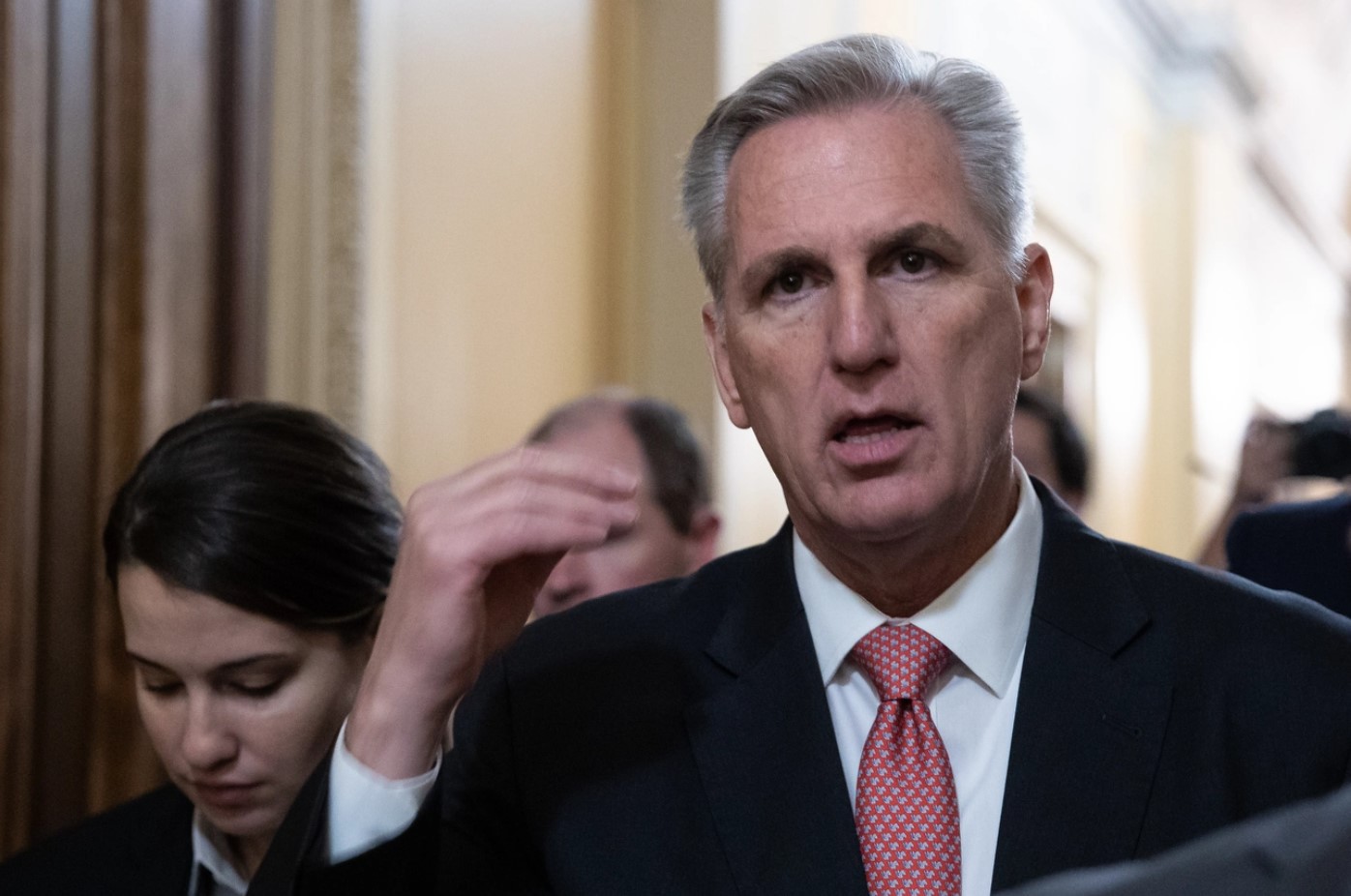
"I have seen a path to an agreement," said US House Speaker Kevin McCarthy on May 18. (Photo: Politico)
Immediately following this news, the US stock market turned green. The S&P 500 index reached its highest level in nine months, closing at just under 4,200. The US dollar also closed at its highest level since March, appreciating against all currencies in developed markets.
His positive reaction also aligns with the recent optimistic tone from the White House. President Joe Biden said on May 17 that he was “confident” he could reach an agreement to avoid an unprecedented default on the world’s largest economy in early June.
Mr. McCarthy also stated that negotiations are taking place two to three times a day, following a certain "structure."
One sign that negotiations are progressing is McCarthy's praise of White House negotiators, including Shalanda Young, the budget director, and Steve Ricchetti, one of Biden's closest advisers.
The president is in Japan attending the G7 leaders' summit, but is being updated on the talks through Bruce Reed, the White House deputy chief of staff.
Biden will return to Washington on May 21 to oversee the final phase of the negotiations, cutting short a planned trip that included stops in Papua New Guinea and Australia.
The deadlock remains.
In contrast to McCarthy's optimism, a key ally, House Financial Services Committee Chairman Patrick McHenry, lowered expectations for a quick deal.
“We have a lot of work to do,” McHenry said after meeting with negotiators in the Oval Office. McHenry was also unsure whether an agreement would be finalized by the end of the week, but he indicated that “the right things are being discussed.”
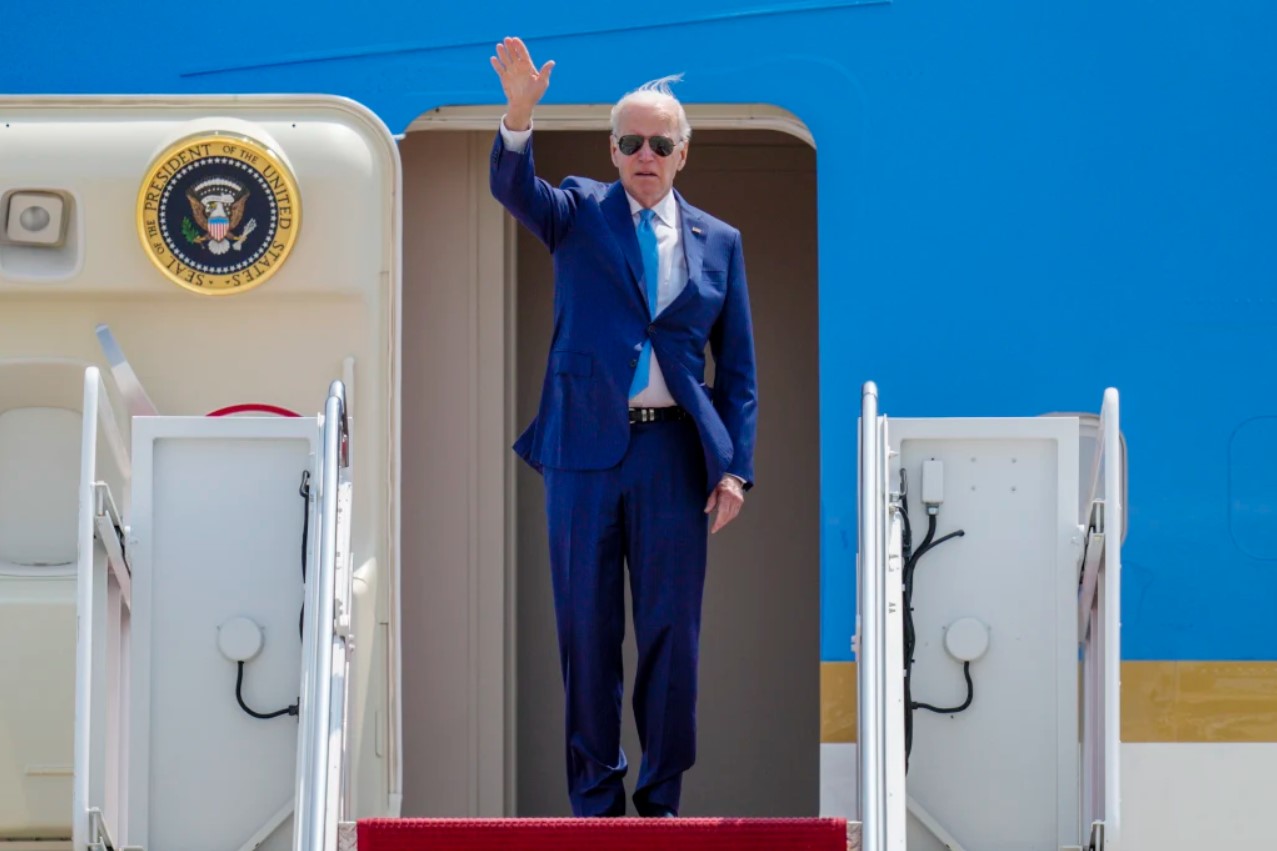
President Joe Biden has been criticized for not canceling his trip to Japan to attend the G7 summit even though negotiations on the US debt ceiling are still ongoing. (Photo: Sydney Morning Herald)
Republican negotiators in the House and the White House are discussing the details of a potential deal, which could involve the amount of spending cuts and the size or duration of raising or suspending the debt ceiling, the authorization of major investment projects, and new job requirements for social security programs.
McCarthy said he is continuing to push for new job requirements related to the government 's anti-poverty programs. This is a key point in the negotiations.
Meanwhile, Democrats are also urging President Biden to invoke the 14th Amendment of the Constitution and bypass the debt ceiling to continue issuing bonds, instead of conceding spending and aid to the poor, as this could harm the world's largest economy.
The stalemate between the two sides since the US debt cap hit in January has led many economists to warn of a severe economic recession if the "brinkmanship" situation continues. If the Treasury Department is forced to cut spending to pay off the debt, US GDP risks falling to 8%, according to Anna Wong, a Bloomberg economist .
Nguyen Tuyet (According to Financial Times, Bloomberg)
Source


![[Photo] Prime Minister Pham Minh Chinh presides over a meeting on private sector economic development.](/_next/image?url=https%3A%2F%2Fvphoto.vietnam.vn%2Fthumb%2F1200x675%2Fvietnam%2Fresource%2FIMAGE%2F2025%2F12%2F20%2F1766237501876_thiet-ke-chua-co-ten-40-png.webp&w=3840&q=75)
![[Photo] Prime Minister Pham Minh Chinh presides over the conference announcing the establishment of the International Finance Centre in Vietnam.](/_next/image?url=https%3A%2F%2Fvphoto.vietnam.vn%2Fthumb%2F1200x675%2Fvietnam%2Fresource%2FIMAGE%2F2025%2F12%2F21%2F1766309817714_ndo_br_dsc-3400-jpg.webp&w=3840&q=75)



























































































Comment (0)