

The long journey of mother and child
Two years after giving birth, Ms. Tran Thi Thuc Anh (47 years old, residing in Dong Nai province) was devastated when her son was diagnosed with autism. Despair overwhelmed her whenever she saw her son silently gazing at inanimate objects moving, such as wheels and fans, without interacting with the world around him.
Whenever he wanted a toy, the boy would cry loudly to get attention. After a few days of trying to regain their composure, the couple took their son to various doctors in major hospitals, but the results remained unchanged.
From then on, Thuc Anh was inseparable from her son, traveling dozens of kilometers each day from Dong Nai to Ho Chi Minh City so he could attend autism intervention classes at Children's Hospital 1, learn speech therapy, and receive special interventions… A year later, she divorced and raised her son alone.
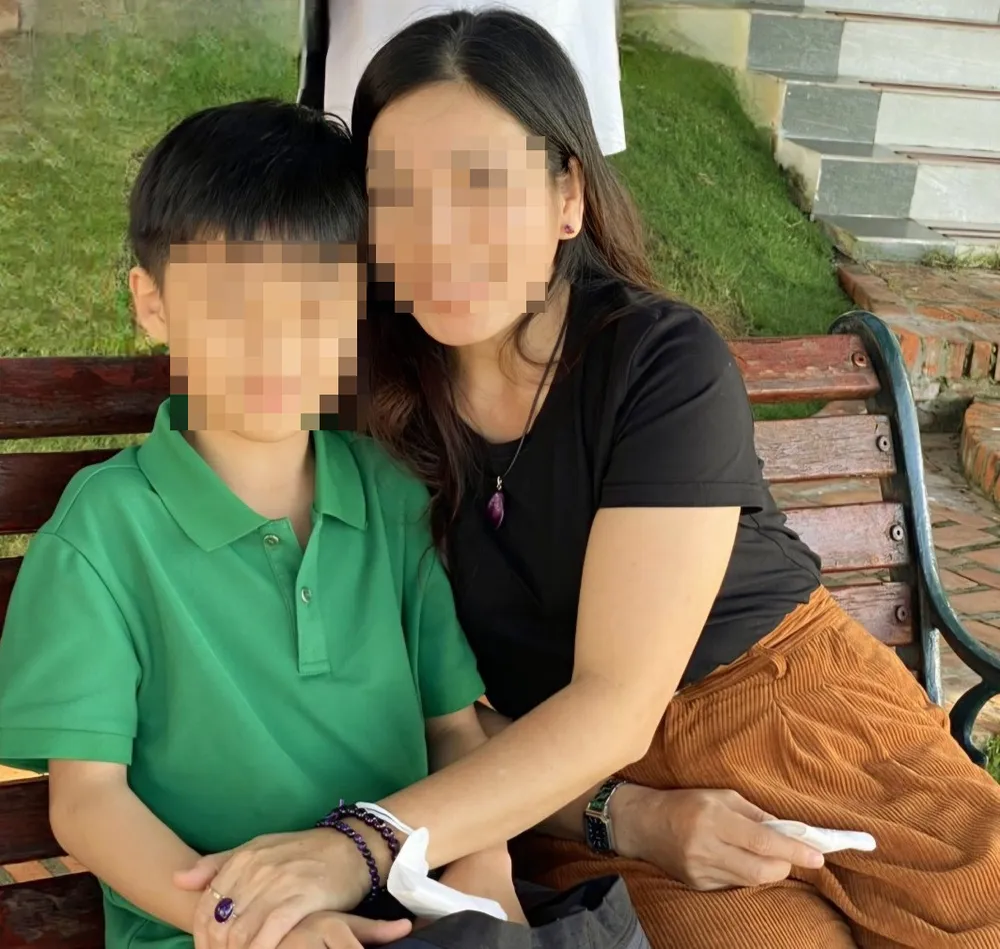
Despite the teacher's meager income not being enough to cover the costs of classes for autistic children, she persevered for the past eight years. Her efforts paid off; today, NTL is eligible to attend an inclusive primary school, excels in math, and helps his mother with dishes and housework.
After receiving a certificate of severe disability, the boy received a monthly allowance from the ward's People's Committee as encouragement and support for his mother. However, NTL's pronunciation remains very difficult, and he occasionally shouts and jumps around excitedly.
"When we first started this journey, I only hoped my child could manage their personal life independently so they wouldn't be looked down upon or discriminated against. Now, they can do much more than that. If only I had known about autism sooner, perhaps my child wouldn't have missed that golden opportunity," Thuc Anh confided.
Mothers' regret and remorse are common occurrences at the Psychology Department of Children's Hospital 2 (Ho Chi Minh City).
A year ago, Ms. TTT (a resident of Ho Chi Minh City who works as a scrap collector) discovered that her 3-year-old son had autism and ADHD. Lacking the money to send him to daycare, Ms. T. often took him around to make a living, unaware of his abnormal development. Despite blaming herself, Ms. T. refused to accept her fate and persevered, taking her son to the hospital every month, with the material and emotional support of the doctors.

At the Psychology Department of Children's Hospital 2 alone, approximately 500 children visit the hospital each month for autism and ADHD examinations. The rate of autistic children at Children's Hospital 1 also fluctuates between 1.5-2% (in 2021-2022).
Meanwhile, 2019 data from the General Statistics Office shows that there are approximately 1 million people with autism in Vietnam, with autistic children accounting for 1% of all births. This number is increasing compared to previous years due to improved parental awareness and earlier screenings, instead of avoidance as in the past.
Additional policies to support children with autism.
According to Dr. Tran Quang Huy, from the Psychology Department of Children's Hospital 2 (Ho Chi Minh City), there have been encouraging improvements in the examination and intervention for autistic children. Opportunities for intervention and treatment for autistic children have also increased significantly.
Previously, parents had to schedule appointments about a month in advance for autism screening and psychological counseling for their children. This number has been reduced somewhat after pediatric hospitals in Ho Chi Minh City improved their procedures and increased staffing.
According to Dr. Tran Quang Huy, parental and societal awareness has improved; autistic children in Vietnam are recognized as having disabilities, and if severe, they receive monthly support from the State. Simultaneously, these children are integrated into mainstream educational environments, reducing stigma and discrimination.
However, medicine has not yet found a cure for autism, so interventions and treatments have no precise end point. Meanwhile, health insurance coverage for autistic children is very limited. Parents have to pay for speech therapy, behavioral therapy, and physical therapy services – a financial burden that exhausts many families.
It is noteworthy that parents, especially mothers, must dedicate almost all of their time, health, and lives to supporting their autistic children. Not only do they face social pressure, but mothers may also experience disadvantages and discrimination in the workplace.
Therefore, Dr. Tran Quang Huy suggested that businesses and organizations should pay attention to parents of children with autism and design practical policies to support and encourage them.
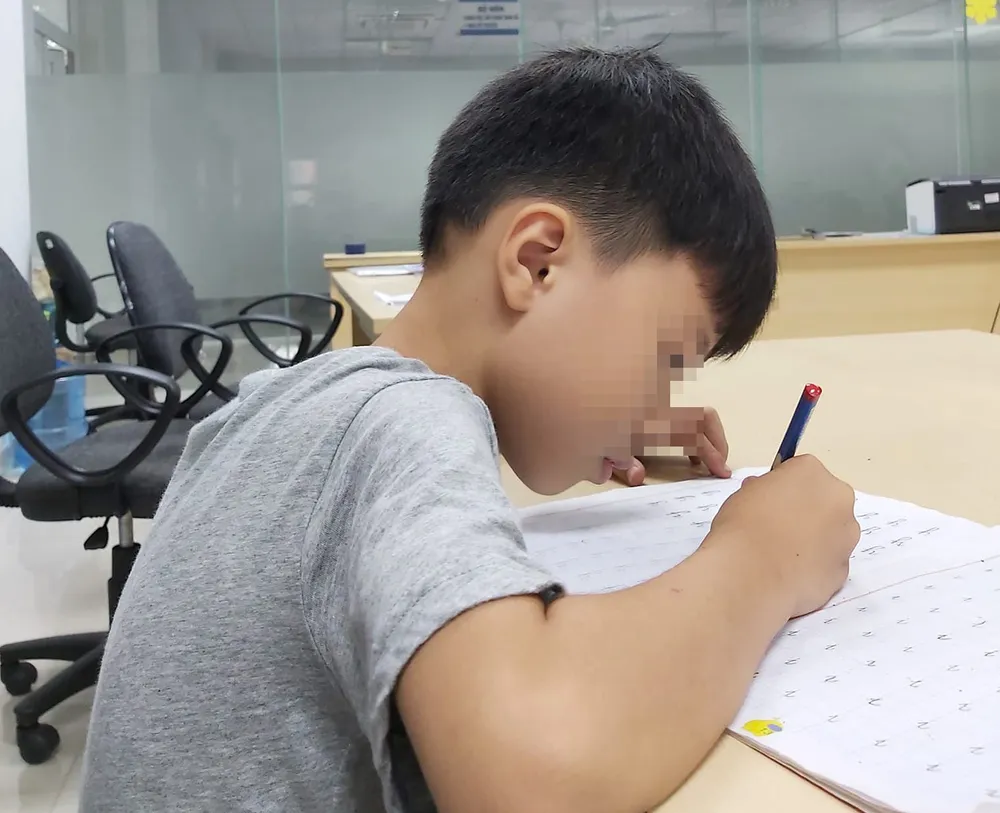
Furthermore, the current number of pediatric psychiatrists is insufficient to meet demand, leading to an overload of patients and prolonged waiting times for parents. For example, Children's Hospital 2 (Ho Chi Minh City) currently has only 4 pediatric psychiatrists – the most among pediatric hospitals in Ho Chi Minh City. Meanwhile, autism intervention requires effective and coordinated collaboration from a team of doctors, psychologists, and special education specialists.
Meanwhile, Dr. Dinh Thac, Head of the Psychology Department at Children's Hospital 1 (Ho Chi Minh City), is concerned that many parents are currently choosing the wrong approach to intervention for autistic children.
Firstly, families mistakenly believe their child will gradually develop normally, thus missing the "golden period" for treatment. Secondly, families follow advice from others or buy unregulated medications, putting the child at risk. Furthermore, many parents believe they can intervene with autistic children independently, instead of requiring the collaboration of medical professionals.
Experts estimate that each autistic child directly affects eight other people. Each year, a significant number of autistic children reach adulthood, facing an uncertain future as their elderly parents become frail and unable to work to support themselves. The future of autistic children without parents is a social welfare issue that needs to be addressed and improved as soon as possible.
"Abroad, there are several career guidance models for autistic children. They focus on the children's talents and develop those talents to serve specific jobs. Our country currently lacks a similar model to replicate, support the future of these children, and alleviate the burden on parents. Hopefully, new policies will be implemented in a timely manner to help parents of autistic children no longer feel alone."
- Dr. Tran Quang Huy, Department of Psychology, Children's Hospital 2 (Ho Chi Minh City) -
Source: https://www.sggp.org.vn/tiep-suc-tre-tu-ky-post809585.html































































































Comment (0)