|
| Many people are starting to enroll in advanced courses in search of job opportunities. |
Find new opportunities
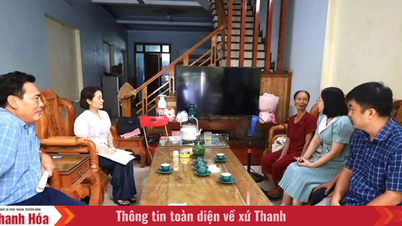
At 46, Ms. THN from Vy Da ward never imagined she would return to university. For over 20 years, she worked as an accountant at a state-owned enterprise, a stable job that had accustomed her to office life. When the unit dissolved and she retired, she felt a sense of loss and anxiety, as she hadn't yet reached retirement age, her children were still in school, and she had many family expenses to worry about.
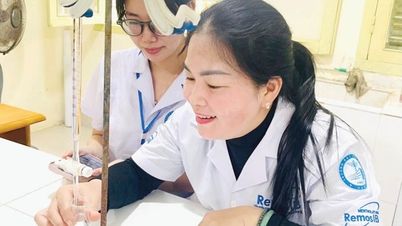
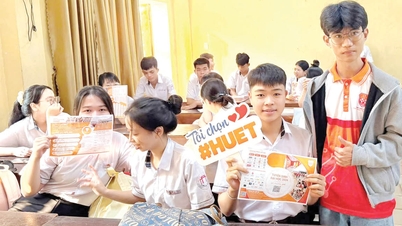
After a period of unsuccessful job searching, she decided to enroll in a college-level pharmacy program at the University of Medicine and Pharmacy, Hue University. From an accountant familiar with ledgers, she now became a student in the lecture hall, facing entirely new lessons. She hopes that after completing the course, she can help her family with their pharmacy business.
Ms. HN's story reflects the common plight of many people who quit their jobs prematurely today. Most of them still have good health, experience, and a desire to work, but face numerous obstacles when returning to the job market.


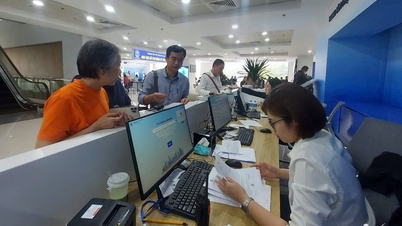
In reality, many businesses still need to recruit accountants, office staff, electrical and plumbing technicians, or other specialized positions. However, many workers in their 40s and 50s face difficulties in applying for these jobs. Some businesses prioritize younger workers or believe that the high-intensity work environment is unsuitable for older people. Therefore, job opportunities for those who previously worked in the public sector are not always as readily available as they might expect.
Adapt to keep going.
Besides facing financial pressure, many people also have to overcome the psychological shock of suddenly leaving their familiar work environment. Ms. QN from Thuan Hoa ward, who retired at the age of 45, said, "Initially, I felt empty because I lost my daily routine and connection with colleagues. Suddenly, I had too much free time but didn't know what to do," she recounted.
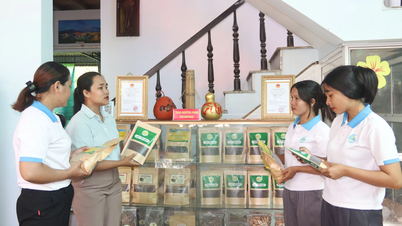
Instead of continuing to worry, she chose to learn how to sell online. From building a TikTok channel to promoting local specialty products, everything was new to someone who had worked in a government agency for many years. Although the income wasn't high, the new job brought her joy and motivation to keep pace with life.
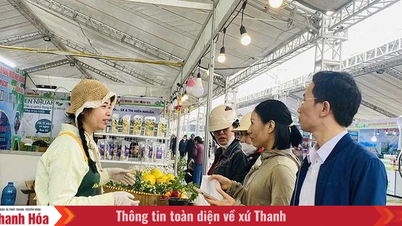
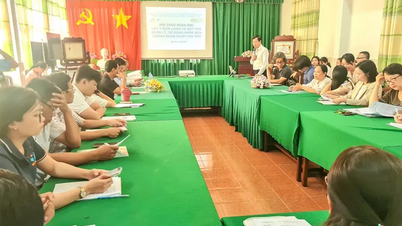
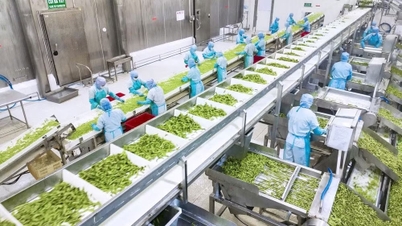
Many others also chose vocational training to find a new path forward. While receiving unemployment benefits, many workers participated in free training courses at the Hue City Employment Service Center on beverage preparation, food processing, or other short-term skills to create a livelihood for themselves. Some opened food stalls in front of their houses, some started online businesses, some drove service vehicles, or took on freelance work. Each person made their own choice, but they all shared the desire to continue working instead of depending entirely on the unemployment benefits they received after losing their jobs.
Of course, that journey isn't always easy. For those who have worked in office environments for many years, transitioning to business, service, or freelance work requires a significant shift in mindset and psychology. Many have to overcome feelings of inferiority and self-doubt to adapt to their new jobs. However, alongside the difficulties, many also find other valuable benefits after leaving the office. Having more time to care for their families, spend time with their children, or focus on their own health are things they previously had limited opportunities to do.



Retiring from work early doesn't mean stopping working altogether. For many, it's simply a change of direction. Leaving their familiar "comfort zone," they embark on a new journey filled with challenges but also opening up new opportunities in life. And on that journey, perhaps the most important thing is proactively adapting to continue working, continue contributing, and continue affirming their own value.
Source: https://huengaynay.vn/doi-song/tim-viec-o-tuoi-40-167020.html
![[Photo] Opening Ceremony of the 13th National Congress of the Ho Chi Minh Communist Youth Union](https://vphoto.vietnam.vn/thumb/1200x675/vietnam/resource/IMAGE/2026/06/24/1782286753905_ndo_br_1-8510-jpg.webp)


![[Photo] General Secretary and President To Lam attends the Central Public Security Party Committee Conference](https://vphoto.vietnam.vn/thumb/1200x675/vietnam/resource/IMAGE/2026/06/24/1782302063612_a1-bnd-9302-9166-jpg.webp)
![[Photo] The 13th National Congress of the Youth Union conducts personnel work.](https://vphoto.vietnam.vn/thumb/1200x675/vietnam/resource/IMAGE/2026/06/24/1782299943080_ndo_br_1-6868-jpg.webp)