

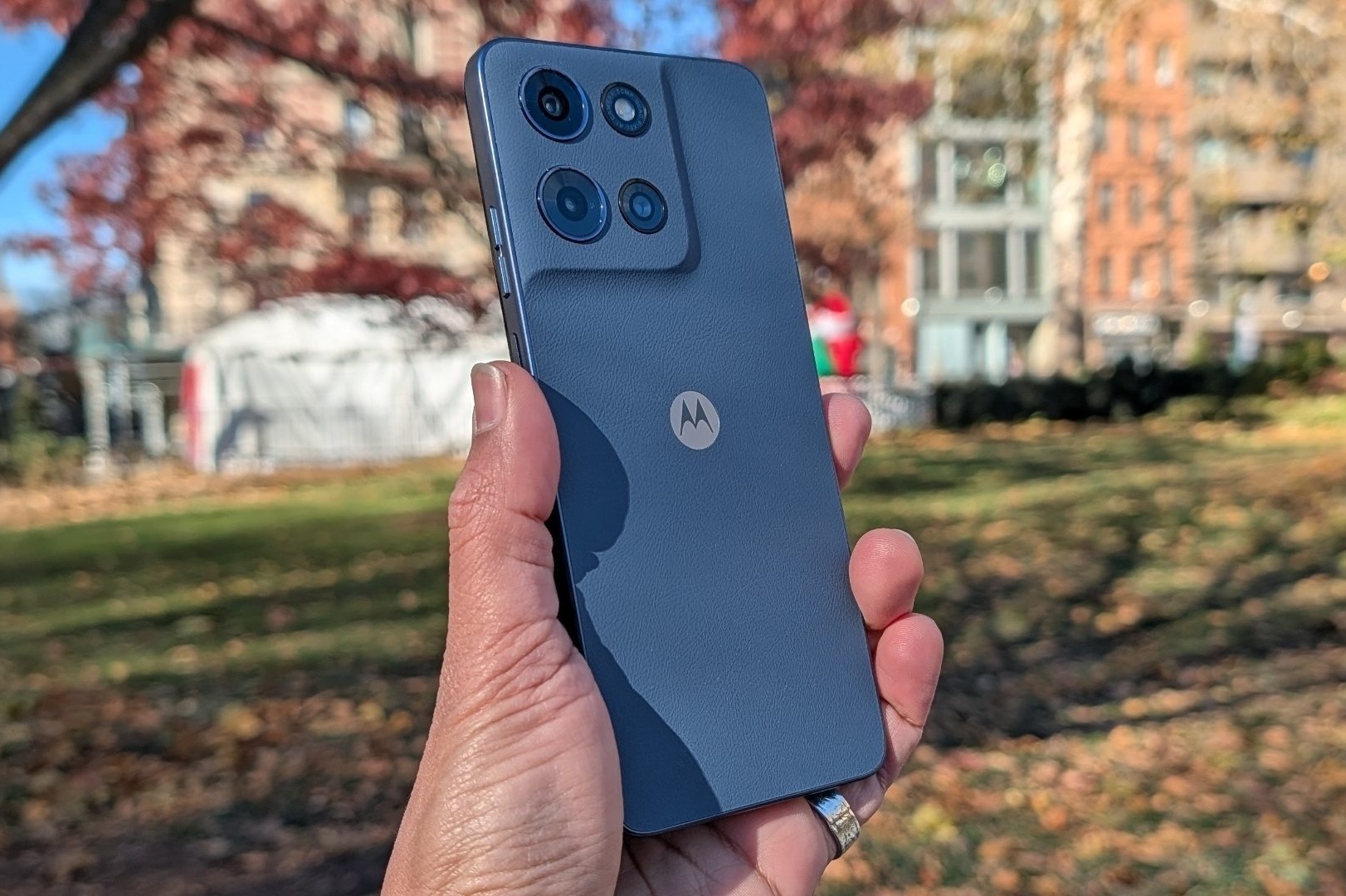
The cryptocurrency mining trend once drove up graphics card prices. Now, AI is causing a surge in demand for memory, leading to a scarcity of computer RAM.
The smartphone industry is also facing a similar fate. Instead of maintaining the production of conventional DRAM or NAND memory for computers and mobile devices, manufacturers are shifting resources to memory for AI data centers, such as HBM and DDR5, thus limiting the supply of other memory types.
Analysts believe this situation is not just a seasonal phenomenon, but could have a long-term impact on global semiconductor strategies. While manufacturers have to convert or expand their factories, the price impact will directly affect consumers, making smartphones and computers more expensive.
Major market fluctuations
A report from IDC predicts that the supply of DRAM and NAND memory in 2026 will be 16% and 17% lower, respectively, than in 2025. This supply constraint will force smartphone manufacturers, especially those with Android phones, to quickly adapt to the changes.
In 2025, smartphone manufacturers weathered the economic turmoil caused by tariffs by absorbing the costs. However, analysts believe the story will be different in 2026, with the increased costs potentially passing on to consumers. This situation could even continue into 2027.
"Given the prospect of an upcoming memory crisis, this will severely impact the market, especially for smartphone manufacturers focusing on the low-cost segment with extremely narrow profit margins," Nabila Popal, senior research director at IDC , told CNET .
According to Popal, these companies have virtually no choice but to pass the costs on to consumers, in other words, to increase product prices.
IDC 's predictions suggest that the budget smartphone segment could see the most volatility, with prices increasing by at least 5-10%. This is because memory accounts for 15-20% of the material costs on budget phones, while it's around 10-15% for more expensive models.
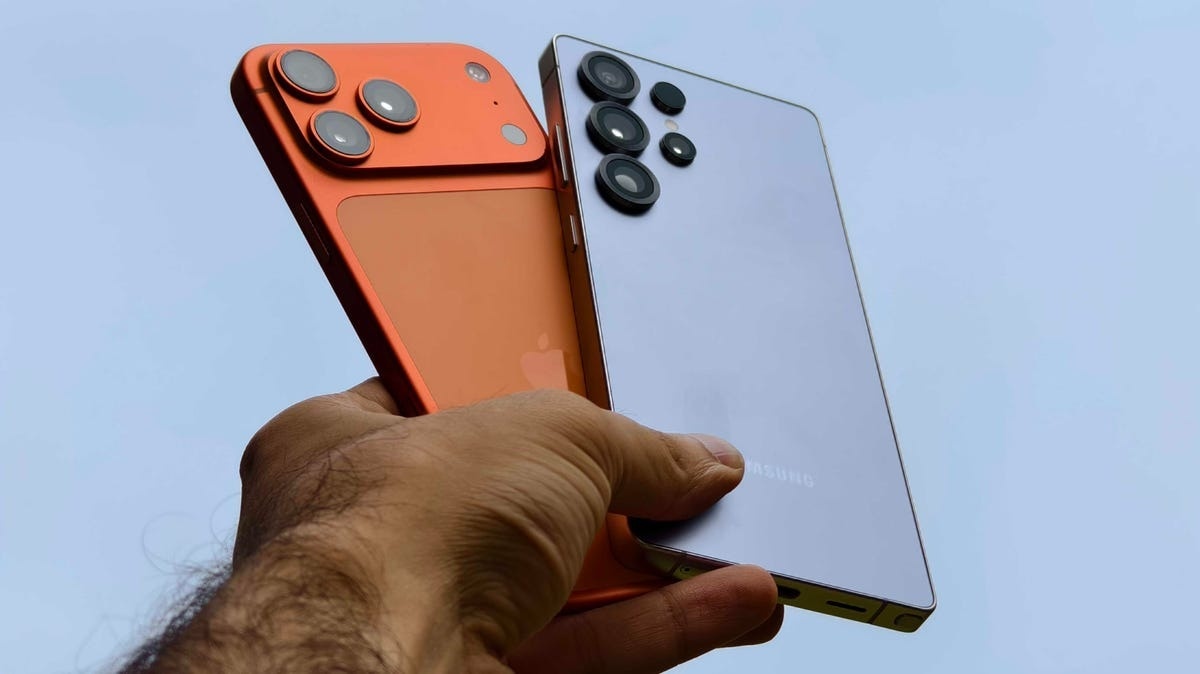 |
The successor to the iPhone 17 or Galaxy S26 may not increase RAM due to memory shortages. Photo: CNET . |
Companies that could be affected include TCL, Transsion, Realme, Xiaomi, Lenovo, Oppo, Vivo, Honor, and Huawei. To cope, these companies may shift their focus to the high-end segment, selling more expensive devices with higher profit margins.
Similarly, market research firm Counterpoint Research predicts that most smartphones will increase in price. The budget phone segment is expected to see the highest increase, up to 20-30%. Mid-range and high-end models are projected to increase by 10-15%.
On December 24th, Aju News (South Korea) reported that the Xiaomi 17 Ultra will be the first smartphone from a major manufacturer to increase its price due to memory shortages. The device is expected to be 10% more expensive than the Xiaomi 15 Ultra, which was launched in March of this year.
In the high-end segment, Apple and Samsung are also under pressure, but they have an advantage in terms of business structure. Their cash reserves and long-term partnership agreements allow them to secure memory supplies for 12-24 months.
Similarly, Counterpoint Research believes that this pressure will have an uneven impact among manufacturers.
Some Chinese brands like Honor and Oppo are likely to be more significantly impacted due to low profit margins, especially in the budget segment. In this product group, component costs have increased by 20-30% since the beginning of 2025, leaving limited room for price adjustments or cost absorption.
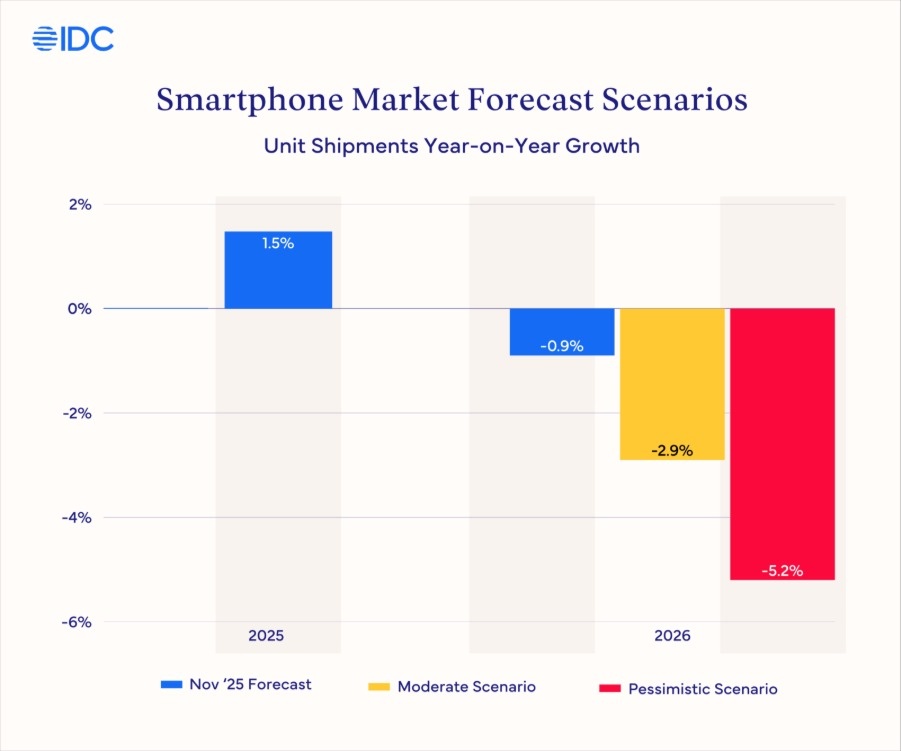 |
Forecast of smartphone market growth in 2026. Image: IDC . |
“Apple and Samsung are in the best position to outperform in the next few quarters. The rest will face more difficulties if they are unable to adjust their market share or offset costs with profit margins,” said Yang Wang, senior analyst at Counterpoint .
In terms of sales, IDC estimates the smartphone market will decline by 2.9-5.2% in 2026, depending on how long the shortage lasts. Meanwhile, Counterpoint Research estimates the market could plummet by 2.1%.
The crisis also prompted IDC to revise its forecast for the average smartphone price (ASP) in 2026, from a slight decrease to a 3-5% increase if the situation is moderately prolonged, or a 6-8% increase if it is more severe. The rate of price increase could be higher in the lower-end segment.
Although scarcity may impact smartphone sales next year, rising prices could push the total smartphone market value to a record high of $578.9 billion .
Less RAM capacity
Besides price increases, memory shortages may force manufacturers to change their strategy, maintaining or reducing RAM capacity instead of continuously increasing it as before.
In the third quarter of 2025, more than 51% of smartphones shipped will have at least 8 GB of RAM, according to Francisco Jeronimo, vice president of customer devices at IDC . For phones priced at $400 and above, that percentage will reach 93%.
"In 2026, mid-range and budget smartphones could return to 4GB of RAM to keep prices stable in an already volatile market," Jeronimo emphasized.
According to CNET , 8 GB is considered the minimum amount of RAM for AI generation running on devices, such as Galaxy AI and the camera features on Google Pixel.
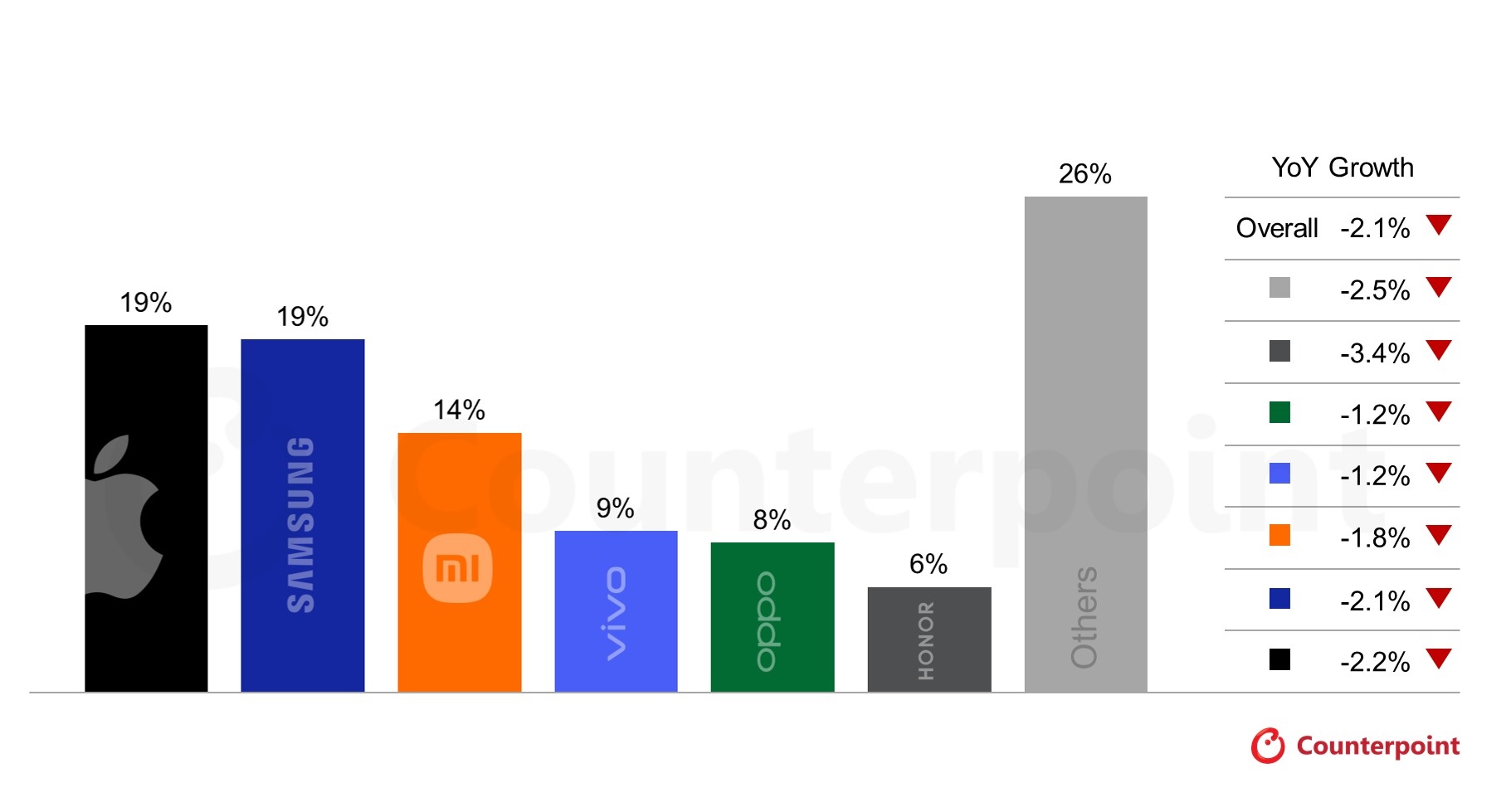 |
Market share and growth forecasts for several major smartphone brands in 2026. Image: Counterpoint Research . |
Although smartphones can incorporate (or utilize entirely) AI models via the internet, such as ChatGPT, sending requests to data centers involves a certain degree of latency. These features are also unusable outside of mobile coverage.
Memory shortages are believed to have stalled all plans to increase RAM capacity on high-end smartphones to expand AI capabilities.
According to Jeronimo, options like 24GB may be eliminated from next year's high-end smartphones. Instead, 16GB will become the maximum, with lower-end versions even dropping to 12GB to avoid price increases and protect profits.
In reality, the extent of the impact depends on how long the memory shortage lasts. The increase in smartphone prices may deter users from upgrading their devices. In markets where installment purchases are popular, such as the US, users may perceive that monthly fees haven't increased significantly.
What will the computer market be like?
The pressure of memory shortages is also impacting the personal computer (PC) market. In fact, companies like Lenovo, Dell, HP, Acer, and Asus have informed customers of the possibility of a 15-20% price increase next year.
"Some companies with high sales can mitigate the impact, gaining market share from smaller or local brands."
"Regardless of the size of the affected market, market share will shift to the largest firms, which possess ample inventory and better negotiating power with suppliers," the IDC report emphasized.
Scarcity could also impact the AI computing market, including devices containing neural processing units (NPUs) as defined by IDC . Importantly, AI computers typically feature high RAM capacity (Microsoft's Copilot+ PC requires a minimum of 16 GB).
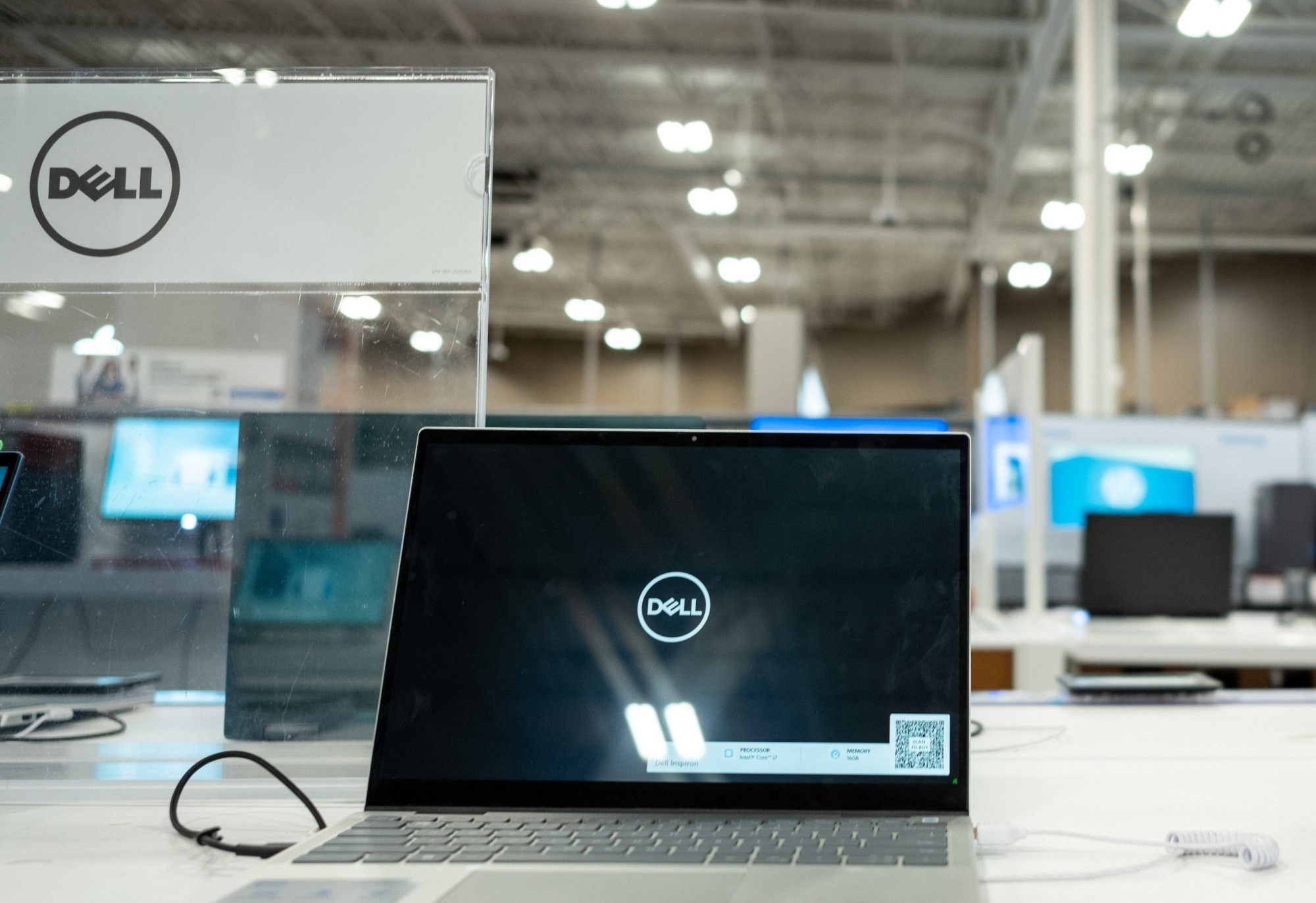 |
A Dell laptop model. Photo: Bloomberg . |
As manufacturers integrate small and large language models directly into devices, RAM becomes a crucial factor, with many high-end systems equipped with 32 GB or more. In light of this, IDC predicts that manufacturers may increase computer prices, and even reduce RAM capacity in the worst-case scenario.
Similar to smartphones, the PC market in 2026 could shrink by 4.9% under a moderate supply shortage scenario, or by 8.9% if the situation persists. Accordingly, the average selling price of PCs could increase by 4-6% or 6-8% under these two scenarios, respectively.
"For users and businesses, this marks the end of the era of cheap, abundant memory and storage, at least in the medium term. 2026 will be when the technology becomes more expensive, due to supply constraints rather than demand growth," IDC emphasized.
Source: https://znews.vn/smartphone-may-tinh-chuan-bi-dat-len-post1614685.html

![[Image] National Assembly discusses the implementation of the socio-economic development plan.](https://vphoto.vietnam.vn/thumb/1200x675/vietnam/resource/IMAGE/2026/04/20/1776696707422_ndo_br_img-20260420-185419-jpg.webp)


![[Photo] General Secretary and President To Lam meets with National Assembly delegates from ethnic minorities.](https://vphoto.vietnam.vn/thumb/1200x675/vietnam/resource/IMAGE/2026/04/20/1776696701056_a1-bnd-8331-3342-jpg.webp)





































































Comment (0)