

The Tet feast not only reflects the sophistication and meticulousness of the Vietnamese people, but it also serves as a special connection between generations within each family and lineage. Today, with cultural exchanges and the inclusion of many regional dishes, depending on each family's preferences, the Tet feast has become increasingly rich and diverse.
Traditional Tet feast
According to tradition, Vietnamese families meticulously prepare the Tet feast, featuring elaborately prepared and beautifully presented dishes. This symbolizes the reverence of descendants towards their ancestors during the first days of the new year, and also expresses the wish for a fulfilling and prosperous life in the coming year. Therefore, the culinary culture of the Vietnamese people during the three days of Tet also signifies reunion, abundance, and good fortune for the entire year.
Vietnamese Tet (Lunar New Year) cuisine is known for its richness and diversity across different ethnic groups and regions, all reflecting shared traditional cultural values about life and origins. Along the S-shaped strip of land during the early days of spring, from the northernmost point in Ha Giang to the southernmost point in Ca Mau , it's easy to find a colorful culinary tapestry. Each ethnic group and region has its own way of preparing and presenting Tet dishes, each with its own unique flavors and characteristics.
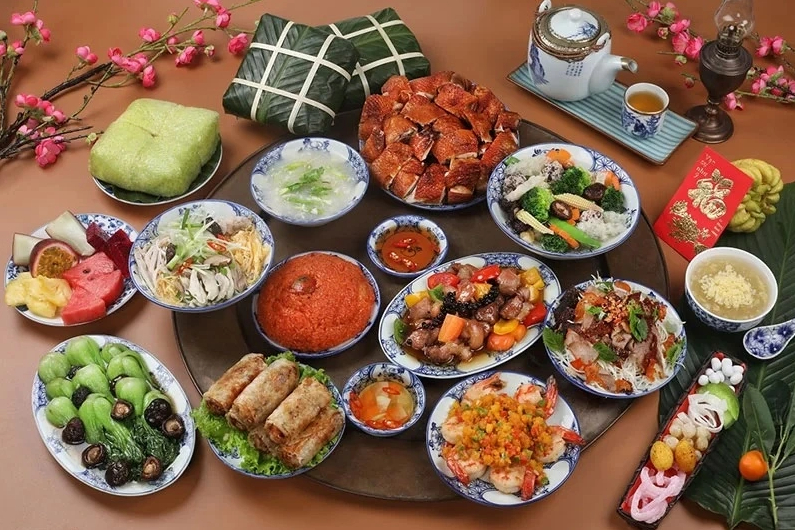
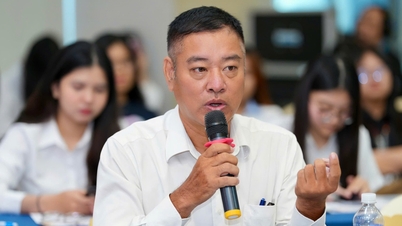
According to culinary artist Anh Tuyet, Vietnamese people in the past, especially those in the North, placed great importance on preparing the Tet (Lunar New Year) feast. The dishes in the traditional Tet feast are special and rare to find on a daily basis. The Tet feast often depends largely on the economic situation of each family. For families with average economic conditions, the feast usually consists of 4 bowls and 4 plates, not including sticky rice, dipping sauce, and pickled onions, symbolizing the four pillars, the four seasons, and the four directions. The 4 bowls include: Fish ball soup, braised pork leg with dried bamboo shoots, mushroom and meatball soup, and vermicelli. The 4 plates include: Chicken, fried spring rolls, banh chung (sticky rice cake), and pork sausage (or cinnamon sausage, head cheese).
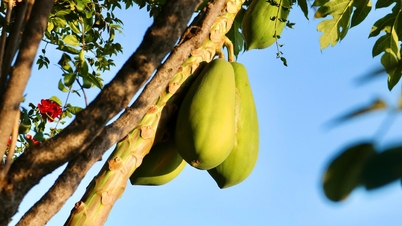
Dishes served on plates are usually eaten first, while those served in bowls are eaten later. Wealthier families might prepare a larger feast with 6 bowls and 6 plates or 8 bowls and 8 plates, adding some very special dishes such as carp or catfish stewed with galangal, steamed prawns, kohlrabi or papaya salad… The traditional Tet feast of the past might not have been complete, but it could not be without banh chung (sticky rice cake), bamboo shoot soup, pork sausage, pickled onions, and meat. Banh chung was usually boiled on the 27th or 28th of Tet, while the bamboo shoots were soaked in rice water for several days beforehand and kept next to the pot of banh chung to keep it warm and save firewood. Other foods depended on the creativity of the woman of the family…
Depending on the regional culture, the Tet feast also varies. To suit local customs and traditions, each place has a different feast, creating diversity in culinary culture. For example, in mountainous regions, in addition to the necessary dishes, the Tet feast often includes specialties such as dried buffalo meat and smoked sausage.
For the people of old Hanoi, the most characteristic dish is "bong" (pork skin). This dish has existed for hundreds of years. The pork skin is taken from the shoulder of the pig, boiled, the fat is removed, then it is dried and grilled until puffed up. From this main ingredient, the people of old Hanoi created dishes such as stir-fried bong and bong soup. The ingredients for bong soup are also very elaborate; slicing a plate of almonds takes up to two hours; carrots, jicama, kohlrabi, ham, sausage, and meat must all be sliced at the same distance and perpendicular to each other.
Maintaining the traditions of a modern home.
In reality, along with the flow of modern society, Tet celebrations in the 4.0 era have also changed significantly compared to the past. However, no matter how hectic and busy life becomes, the traditional Tet holiday still holds a particularly important place in Vietnamese culture. The dishes chosen for the first day of spring always contain the most exquisite and characteristic elements, clearly reflecting the resourcefulness and skill of those who prepare them.
Ms. Le Thi Huong (Cau Giay District, Hanoi) shared: “For my family, the Tet holiday meal is always an opportunity for all family members, siblings, and friends to sit together. Whether far or near, we share stories of joy, sorrow, success, or failure throughout the past year. Therefore, no matter how busy we are, when Tet comes, everyone tries to gather together for at least one meal around the family table.”
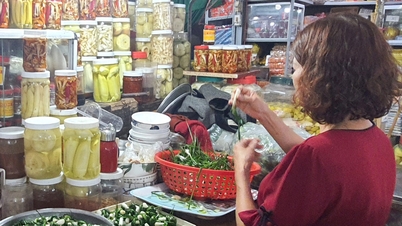
According to Ms. Huong, the pace of life in the 21st century means her family can no longer dedicate time to preparing elaborate feasts as before, so they have "adjusted" to suit the reality. Ms. Huong and her family are frugal with their spending, but that doesn't mean her Tet feast lacks meticulousness. Like last year, she prepared all the ingredients from the beginning of the twelfth lunar month. Besides sticky rice with gac fruit and boiled chicken, Ms. Huong also made spring rolls, mushroom soup, stir-fried vegetables with meat, pork sausage, and a portion of pickled onions and cucumbers. For traditional dishes that she doesn't have time to prepare, Ms. Huong can easily order them from a few familiar places.
Similarly, Mr. Bui Anh Ngoc (from Nghe An province), who has been working far from home for many years, always remembers traditional dishes whenever he thinks of Tet (Lunar New Year). “Even though life is getting busier and busier, during Tet, those of us who live far from home return to our hometowns, hoping only to enjoy a family meal or help prepare the Tet feast together. And certainly, the image of the extended family happily gathered around the Tet feast in a warm and cozy atmosphere will always be etched in our hearts,” Mr. Ngoc expressed.
The traditional Tet feast offered to ancestors holds a special connection between the past and the present, between different generations within the family. Standing before the ancestral altar during the Lunar New Year, amidst the fragrant atmosphere, each of us has the opportunity to reflect on ourselves, to see our homeland, our family, and to feel gratitude, pride, optimism, and enthusiasm for the days ahead…
Source: https://giadinhonline.vn/hon-viet-qua-mam-co-ngay-tet-d204318.html

























































Comment (0)