The Ví and Giặm folk songs of Nghệ Tĩnh – a representative intangible cultural heritage of humanity – are considered a precious gem in the treasure trove of Vietnamese folk literature. The enduring vitality of this art form lies not only in its simple melodies and familiar, unpretentious lyrics, but also in the profound humanistic values it conveys. In particular, family love is the red thread running throughout, the cradle that shapes the character and essence of the people of Nghệ An. Exploring family sentiment through Ví and Giặm songs is also a journey back to the cultural roots and traditional morality of the nation.
More than just the heartfelt expressions of lovers, folk songs and ballads also preserve the most sacred values of family love. They represent the sweet lullabies of a mother, the affectionate advice of a father, and the unwavering handshake of husband and wife, enduring countless storms together.
The sacred bond between mother and child, father and child.
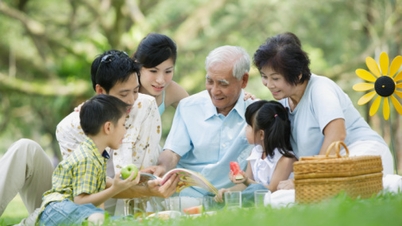
Over generations, the Vietnamese family has been formed and developed with beautiful values and norms, contributing to the preservation and promotion of national cultural identity. The family is an endless source of inspiration for folk songs and ballads, and the Nghe Tinh folk songs and ballads are part of this tradition. The family is always present in these warm, poignant melodies, encompassing a wide range of emotions.
First and foremost, it is the love of parents for their children – the most sacred and purest feeling, one that no pen or words can fully express. The melodies are vast, profound, and passionate, the lyrics and tunes sweet, harmonious, and overflowing with love, from the simple and familiar to the grandest. Folk songs begin with the lullabies sung by grandmothers and mothers beside the cradle. In those songs, maternal love and familial affection are nurtured: “Ah ah ơi… On a summer afternoon by the hammock/Mother sings her child to sleep under the midday sun/The mother’s burden is heavy, the child remembers the father’s merit…” (Ten Virtues of Parents).
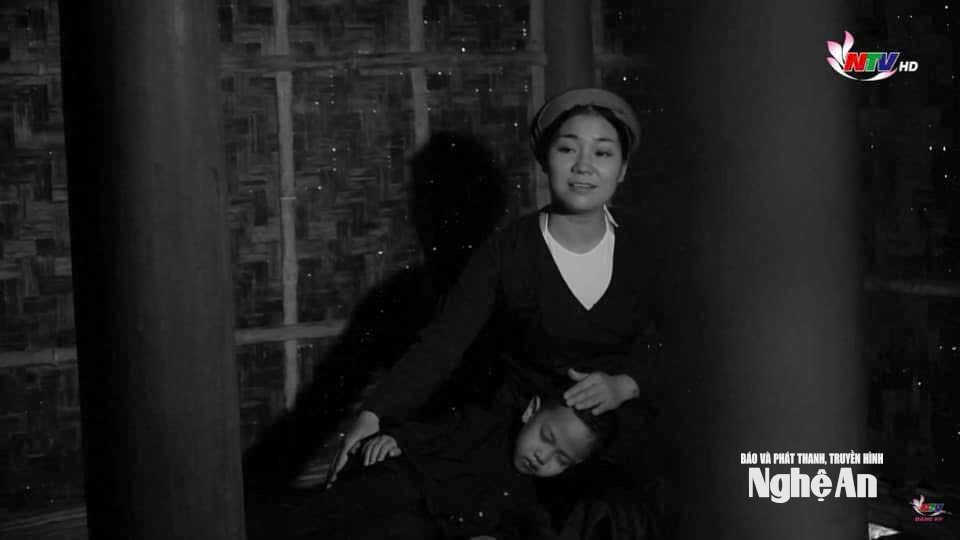
Amidst the sweltering heat of a Central Vietnamese summer afternoon, the lullaby resonates, soothing the weather like a gentle whisper, a heartfelt conversation interwoven with the creaking of a hammock. But from within this tranquil space, the lullaby is not merely a way to lull innocent children to sleep, but a heartfelt expression of the boundless love of mother and father: “Mother recounts the ten blessings from the moment of conception / Oh, there is yin and yang, and then destiny… / Mother recounts from the time I was a child, nurturing and caring / From son to daughter, the arduous labor / Caring day and night to ensure I was fed and nursed…” The folk song also affirms: “Whoever has a father is better off than whoever has a mother… Without a father, without a mother, the child suffers even more” … as a reminder to the child, and also an awakening to those who still have their parents in this world. Because reminding my child is also a way of reminding myself, to reflect and live a more meaningful life: "I haven't, I haven't been able to repay my parents' kindness in any way."
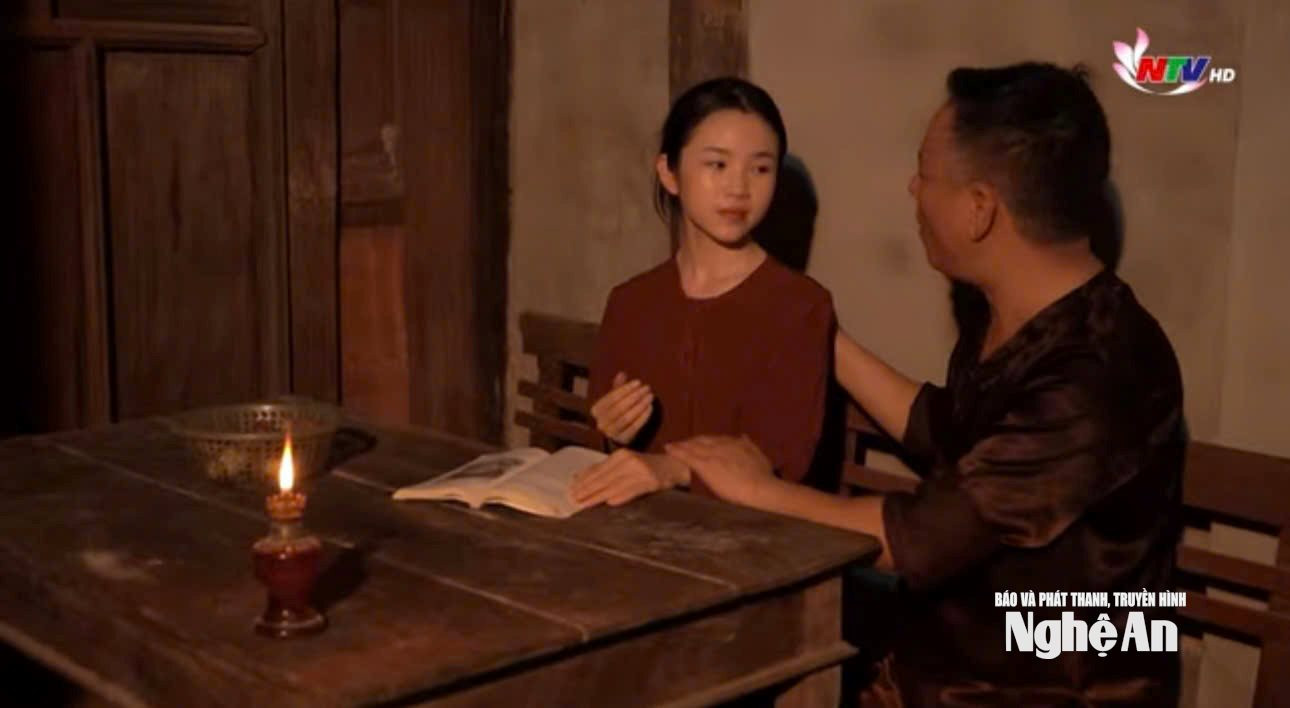
The wellspring of family love doesn't stop at the silent maternal affection; it's also nurtured by the father's burdened shoulders in "Deep Father-Son Love." It's the image of a father "cuddling and cradling" his child from the age of one or two, worrying about their every need, nurturing their dreams at fifteen or seventeen, and anxiously awaiting the day his child finds happiness with a virtuous daughter-in-law or a dutiful son-in-law. Behind the children's growth lies the physical wear and tear of the parents, the surrounding poverty and hunger: "The father is hungry, ragged, and in debt / The mother is also hungry, ragged, and in debt / All because of her young child" (Deep Father-Son Love). These simple, unadorned lyrics portray a beautiful symbol of parental love – an unconditional love, always ready to protect and support their child through life's storms.

It is from this profound understanding of the immeasurable contributions of parents that the songs evoke the meaning of filial piety. Family affection in folk songs like "ví" and "giặm" is not one-sided, but also a responsibility to repay. The song "Ten Virtues of Parents" stirs the listener's consciousness with its poignant self-reflection, revealing the immense debt of gratitude owed to parents, yet the individual feels they have "not yet repaid even a small favor," prompting a self-admonition: "How should a child live to fulfill their filial duty?" Filial piety means respecting and yielding, avoiding harsh words, and refraining from being critical or disrespectful as parents grow older. This love must be expressed through practical acts of care during their lifetime: "A child living near their parents/ Must nurture and cultivate/ When the wife is frail, the husband/ Must visit and see them/ Must come and go to visit..." (Deep Father-Son Affection).
The bond between husband and wife is unwavering and enduring.
If filial piety is the root of morality, then the love between husband and wife is like a fire that warms a person's entire life. In romantic love and in building family happiness, folk songs like "ví" and "giặm" are seen as a bridge connecting destinies, a vessel filled with humanity and righteousness.
The love between husband and wife is first and foremost tested and affirmed through the storms of life. Life for couples in Nghe An province has never been easy; it's intertwined with the harsh natural environment, with intense sunshine, heavy rains, and devastating storms that destroy property and villages every year. Therefore, hardship constantly surrounds the hardworking laborers. In those times of poverty, people find themselves in a state of despair: “Who knows whether the Lam River is clear or muddy? Then who knows whether life is shameful or glorious?” (My Lover). Yet, despite the ups and downs, the love between husband and wife remains strong through the years. Thus, “After the fierce waves comes the gathering of dragons and clouds / When the Hong Mountain is devoid of trees / and the Lam River runs dry / Only then will our love end” (My Lover). Using Hong Mountain as a vow and the Lam River as a promise, the love between husband and wife becomes an unshakeable bond, an absolute spiritual support for them to weather all the vicissitudes of life together.
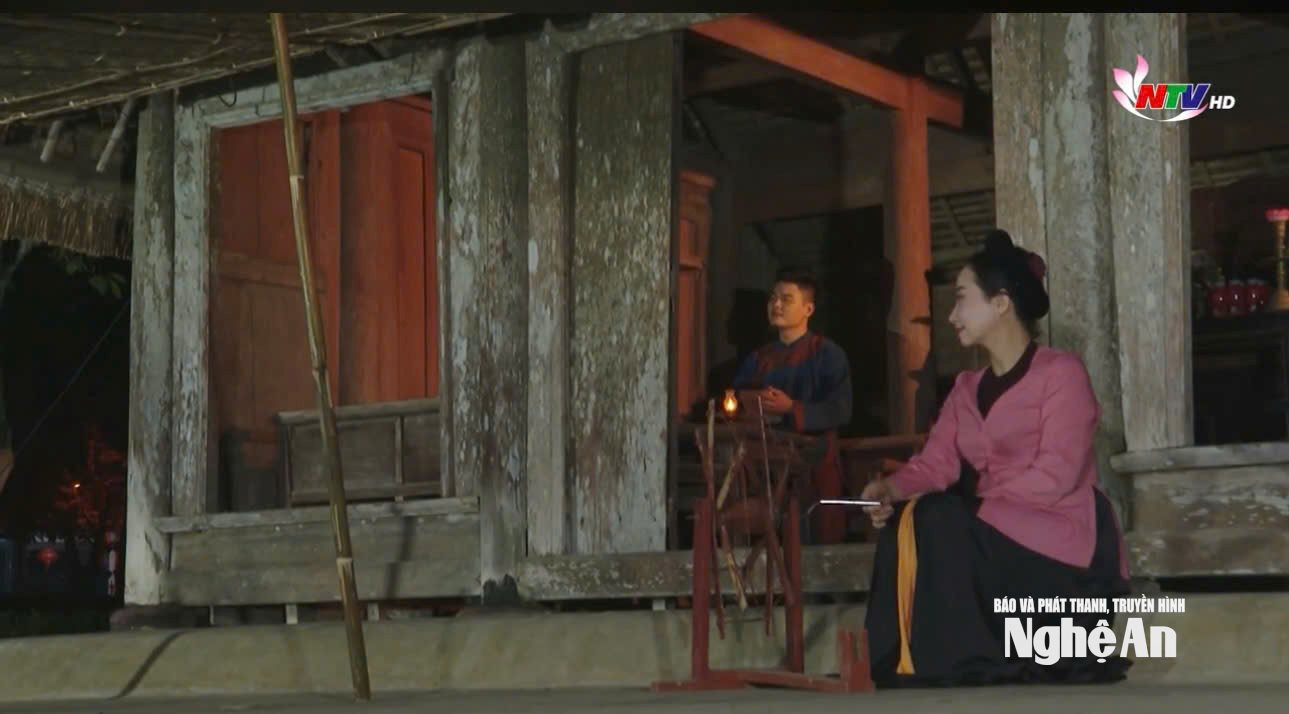
Beyond grand vows and promises, the marital bond in Nghe An folk songs is also concretized through everyday, subtle, and responsible behaviors. The ancient song "Teaching My Wife" is a unique example showing a serious yet tolerant view of marital ethics. Although titled "teach," the lyrics sound like a heartfelt, whispered advice from a husband to his wife, who has just "brought her home." It's a reminder to his wife, but also a self-admonition, about life's moments of anger, when friends visit, when parents don't approve: "A simple 'yes' or 'no' / How much better is a simple 'yes' / How much better is a simple 'no' / When friends come and go, when acquaintances visit / When you pour out a bowl of water, a simple greeting is more important than a feast, and a simple greeting is more important than a feast" (Teaching My Wife).
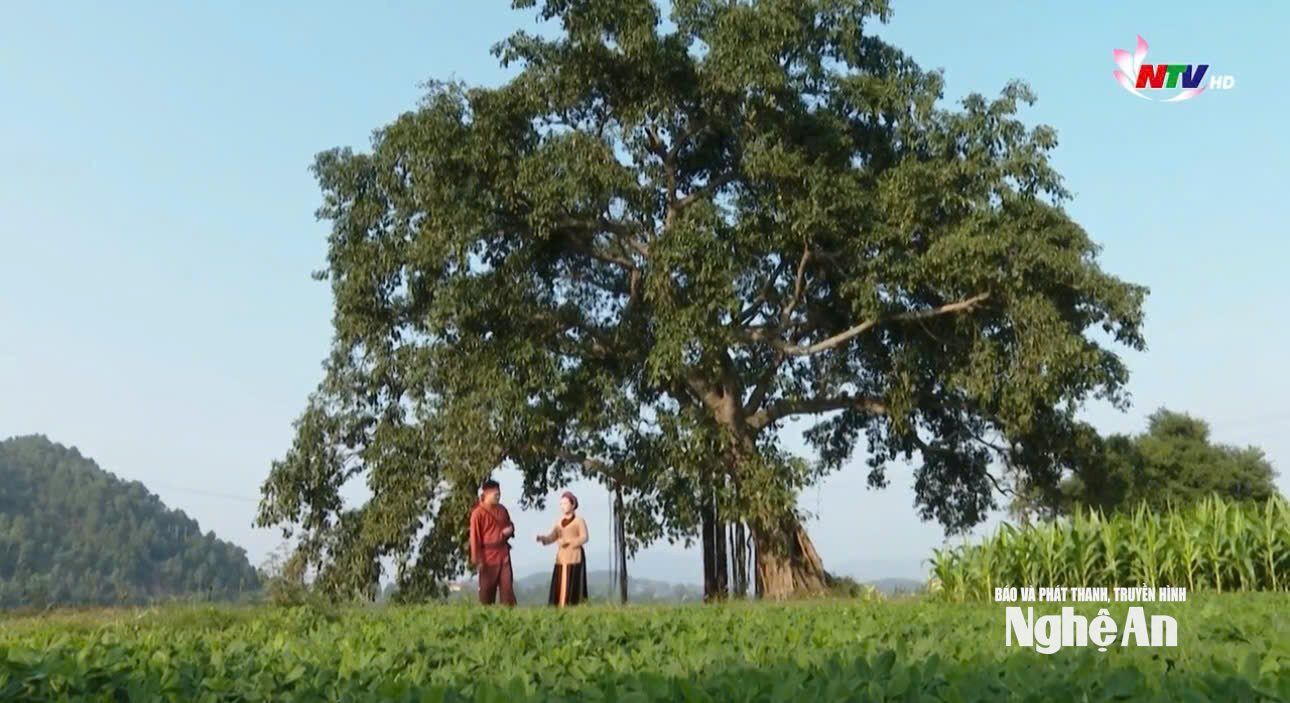
When a husband and wife are at odds, their relationship is strained, and they are not getting along, folk authors remind them not to "scold the cat or scold the dog," not to "fight and then beat," but to choose the right time and place to advise each other: “Even if you are angry with your husband and children, please refrain from speaking out/ When your friends come home, then you can speak…/ When you are free, when you are away, when it is just you and your husband.” Reading this, we are suddenly moved by a profound understanding: The husband doesn't demand a perfect wife, but only hopes for a life partner who is "wise" to "save face for her husband," who knows how to use gentle words to dissuade him when he makes a mistake. This is the philosophy of faithful living, of considering the past and future, to maintain a happy home: “Living together should be about considering the past and future, so that everyone is happy, and so that everyone is happy…” (Teaching the Wife).
What is particularly interesting about the expression of marital affection in the folk songs of Nghe Tinh is the miraculous transformation from "anger" to "love." Through the masterful lyric writing of author Nguyen Trung Phong in the work "Ví giận thương" (Anger and Love), the women of Nghe An appear both sharp-witted and deeply forgiving. The anger here is not selfish resentment, but anger born from profound love: "You keep saying that I don't love you / I measure it very carefully / Because I love you, I discussed it with my mother / We must prevent you from going on that journey to Luong." Because: "If you go astray, I can't bear it." The refrain "Anger and love" resonates with both resentment and longing, like an invisible thread binding two souls together. To prove the depth of their love, the woman fearlessly reveals the hardships they have overcome to be together: "Oh my love, I love you, but my parents disapprove/ If they forbid me from entering through the front door, I'll go through the back door/ I love you, but my parents beat me a hundred times/ But after that, I stand up/ And I am determined to love you" (Angry and Loving). These straightforward, powerful, and even bold lyrics reflect a resilient love, a steadfast loyalty despite all obstacles. A woman from Nghe An, once she loves and chooses her life partner, will remain steadfast even if she is "beaten a hundred times," still "determined to love him." Therefore, the anger of the present is a continuation of the "love" of the past, a desire to keep the man of her life on the right path.
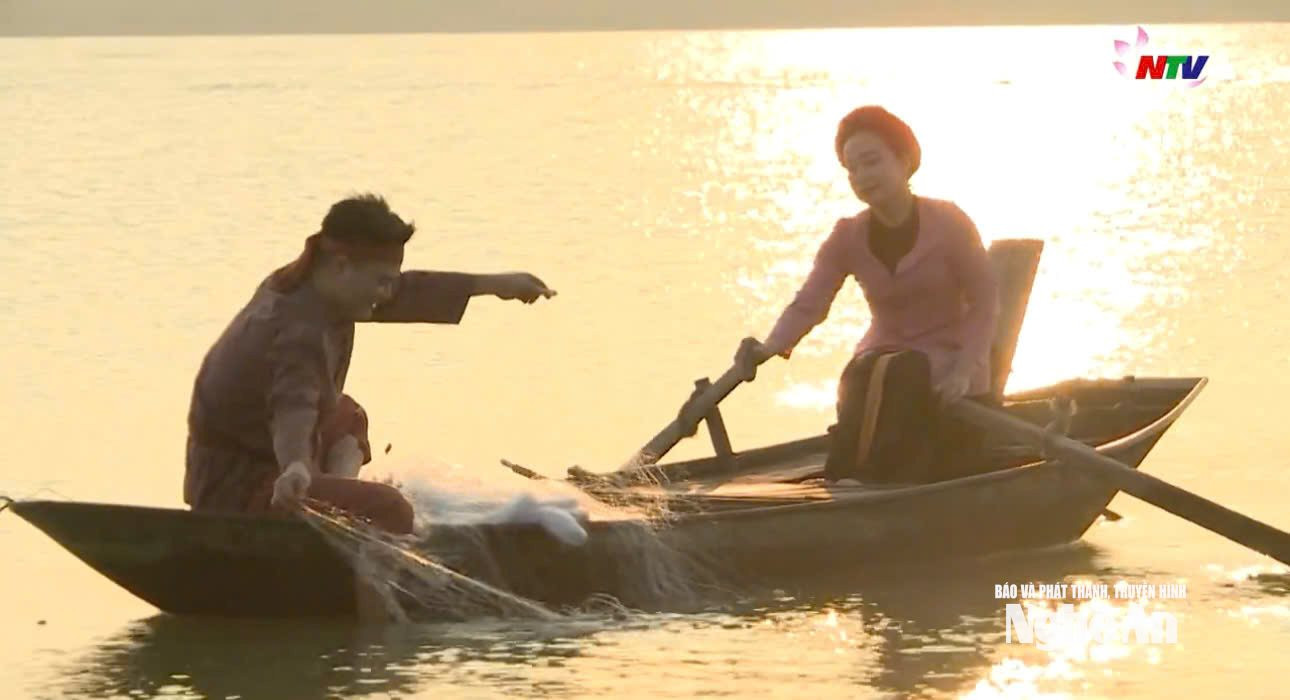



Family affection is passed down through generations through folk songs.
No documents have been able to determine the exact dates of compositions such as "Deep Father-Son Love," "Ten Virtues of Parents," and "Teaching a Wife," nor is it known whether the author was a single person or a group. However, for decades, these traditional folk songs have been as familiar to the people of Nghe Tinh as food and water. These folk songs serve as fatherly admonitions, motherly advice, and a "guidebook" for life for many generations.
Family affection in the folk songs of Nghe An and Nghe An is passed down through generations not through scholarly language or dry moral teachings, but through the most ordinary, simple, and authentic language of Nghe An. That's why listeners are moved to tears by the emotion and love they feel. They listen to understand their parents' hearts, to learn how to live a life of filial piety, love, and true humanity. And these folk songs, laden with gratitude, continue to be passed down through generations of people from Nghe An, like a continuous and enduring source of human affection.
Source: https://baonghean.vn/tinh-yeu-gia-dinh-trong-dan-ca-vi-giam-10341517.html


![[Photo] Prime Minister Le Minh Hung presides over the thematic session on promoting science and technology development and innovation.](https://vphoto.vietnam.vn/thumb/1200x675/vietnam/resource/IMAGE/2026/06/23/1782207872934_ndo_br_dsc-1724-jpg.webp)