

When spring arrives, a hundred flowers bloom.
The obvious error
The old man came up from the top.
(Spring passes, a hundred flowers fall)
Spring arrives, bringing forth a hundred blossoming flowers.
For now, the task is to keep going.
Old age is approaching.
Drinking tea in spring allows one to contemplate the words of Zen Master Man Giac. Although not directly written about tea, the poem is imbued with the spirit of the tea ceremony, encapsulating the philosophy of impermanence. Spring comes and goes, flowers bloom and wither, the world changes, and people grow older. All are natural laws, which cannot be resisted.
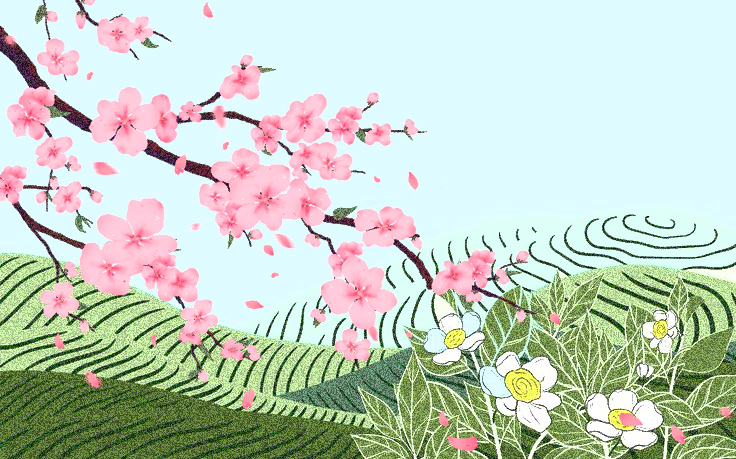 |
In the serene atmosphere of the early days of the new year, when the scent of incense wafts through the air and peach and apricot blossoms bloom, people's hearts yearn for purification, tranquility, and peace.
If spring is a vibrant painting, then tea is the delicate brushstroke, adding a touch of tranquility and grace. If spring is a lively piece of music, then tea is the lingering, gentle, and soothing note, evoking profound contemplation.
Tea is a medicinal herb that nourishes both body and mind amidst the ever-changing world. Sipping a cup of tea, with its delicate blend of bitterness and sweetness and pure aroma, helps to cleanse and release the worries and anxieties of the past year, allowing one to find peace and tranquility in the present moment, observing the transformations without wavering or anxiety.
Sharing a cup of spring tea with a poet is a serendipitous encounter, a chance to savor the flavors of time and nature. Turning the pages of fragrant manuscripts, listening to the words of ancient and modern poets resonate and blend together. Through this, one can deeply feel the Zen-philosophical spirit of the hermit, the anxieties and concerns of the world expressed by wise men, the simple thoughts of everyday life, and even the romantic and soaring spirit of the poet.
For the esteemed scholars of the past, tea was present as a companion, accompanying them through every stage of life; it was seen as a means of calming the mind, preserving spirit, and expressing noble character, a calm and composed demeanor.
For Nguyen Trai, amidst the turmoil of worldly affairs, tea was associated with the aspiration for a simple yet noble life of seclusion, free from the pursuit of fame and fortune, and restoring the purity of character.
The old village is like a dream, so pure and clear.
The conflict is not yet over, but peace is a cause for celebration.
When will the thatched hut in the mountains and clouds come?
Brew tea with spring water, and enjoy a relaxing time with soft stones.
Cao Bá Quát, amidst the turmoil of life, found in tea a rare moment of tranquility and serenity. The image of the poet "asking the fire to brew fresh tea," leisurely leaning against a pine tree waiting for the sunset, perfectly portrays the figure of an intellectual who understands himself and the world. Perhaps that is why this gentleman easily set aside the worries of talent and fate, to enjoy his old age in peace, watching life's events unfold as gently as flowing water and drifting clouds.
Leisurely, I ask the fire to brew a new cup of tea.
Enjoying watching the sunset from the pine trees.
Suddenly I thought about the hidden pleasures of retirement.
A bamboo fishing rod, a story of life's journey.
Nguyen Khuyen, a poet of the Vietnamese countryside, knew how to weave simple scenes of life and familiar customs into his poetry. In a poem that neither writes about tea nor spring, he skillfully evokes the atmosphere of Tet (Vietnamese New Year) in the Northern Vietnamese countryside, depicting glimpses of the rustic and refined way of life.
When serving tea, five or three cups
When Kieu recited a couple of lines
Such a life is gentle yet full of flavor, reflecting the elegance of a soul that knows how to be content and enjoy reality.
Stepping into the realm of contemporary poetry, where time transforms mindsets, tea remains full of charm as it accompanies the heartfelt reflections of human life.
For the poet Nguyen Quang Thieu, tea takes on a different hue. Beyond its meditative and philosophical aspects, tea also represents sorrow, a heartfelt confession, a call to father from a heart that has been wounded to some extent.
Father, I have served the tea.
...
The teacup I poured overflows with bitter sorrow.
My fate as a child is to be held firmly in my hands.
A single verse reflects a day of ingratitude.
What more could a small cup of tea offer?
I invited my father, then swallowed my resentment after he left.
Father, I have offered the tea.
Why is Father so silent, like a shadow?
Let the spirit of tea fade away somewhere.
The cold tea leaves filled my heart…
Tea here is a means of showing respect, engaging in dialogue, expressing feelings, and repenting. Tea becomes a fragrance of memories, of the lingering regrets that everyone has felt and experienced growing up.
In a different, eccentric yet romantic perspective, poet Pham Luu Dat's invitation to the moon for tea leaves readers feeling relaxed, dreamy, and delighted:
The wind carries a fleeting scent of jasmine.
I locked them up and steeped them in tea to make them fragrant.
Waiting for the moon to shine in the backyard at night.
I am alone with my teapot, inviting the moon to drink.
The image of the poet and the moonlight drinking tea together is a common theme in many classical poems. It represents the beauty of harmony between humanity and the universe, of a soul finding tranquility in the purity of nature. Here, Pham Luu Dat skillfully inherits the beauty of East Asian poetry while simultaneously showcasing an intelligent and witty poetic spirit within an artistic space that is both spontaneous and intimate.
In the atmosphere of spring tea, we encounter the pure and innocent verses of Pham Thuan Thanh, where tea is no longer burdened by the worries of life, but simply a simple habit, brimming with joy amidst the open spaces of all four seasons and a warm home:
Brew a pot of tea every morning.
Joy filled the house.
Fragrance of the Four Seasons, packaged together.
A gift for someone far away.
Tea here has become a way to preserve positive relationships amidst the hustle and bustle of life.
For Lo Cao Nhum, tea is a thread of destiny, a multiplication of intertwined waves that transforms a night of lingering passion into a lifetime of yearning:
The fragrant aroma of tea keeps you awake.
They're just endlessly intertwined.
She raised her glass of water.
Waves ripple and caress my heart.
Take one sip and turn it into two.
Two sips make ten
A night of tea and gentle breeze
The leaves sway gently for a lifetime.
The gentle, murmuring verses sound like the soft pouring of tea, like the soothing melody of the tea drinker's soul. Each line, each word, seems carefully arranged, evoking a sense of longing and harmony, like the lingering aroma of tea in the air and memories. Drinking tea is not simply a matter of taking a sip or two, but a journey from enjoyment to contemplation, to spreading, drinking, and sharing together the tranquility and serenity of life.
Hoang Nang Trong, on the other hand, places tea in a far-sighted perspective, making it a measure of enduring values:
The wallet cannot compare to the bitterness of green hair.
It's not easy for the lingering scent of someone's fragrance to last until old age.
A hundred years old, the tea maker leaves, but the tea maker remains.
The lingering mist and smoke will last forever.
People may leave this world, but tea culture and the bonds of friendship remain: hidden in the morning mist, lingering on ancient ceramic cups, accompanying the stories of generations, becoming an intangible heritage for future generations.
Tea is not just a favorite of poets. It is truly a precious remedy for everyone, nourishing body and mind, seeking purification and wisdom. That is why the renowned physician Hai Thuong Lan Ong summarized and prescribed it:
Selling three cups of wine at night.
Dawn, a cup of tea
The day went on like this.
The doctor doesn't come to the house.
(Three glasses of wine at midnight)
A cup of tea at dawn
Every day is like this.
The doctor didn't come to the house.
Wine at night, tea in the morning—that's how people live in moderation and serenity. Wine to open their hearts to others, tea to reconnect with themselves. Maintaining that balance, each day feels like springtime, naturally becoming complete.
Raising our teacups, we suddenly hear the echoes of time resounding: from the whispered words of the renowned scholar Nguyen Trai, the serene sigh of Cao Ba Quat, the choked voice of Nguyen Quang Thieu, to the witty invitation and moonlight of Pham Luu Dat… All meet in the warmth of the tea, creating a timeless encounter, giving today's spring the appearance of a bygone era.
Therefore, raising a cup of tea with a poet is to elevate the essence of nature and the human spirit; connecting us with tradition, with the wisdom and character of our ancestors, and with the emotions of people today. A warm sip of tea at the beginning of the year allows us to calm our minds, to feel the purity of spring, to see life as gentle as spring, to feel our souls open up with spring, and to welcome more moments of peace for a new journey.
Source: https://baothainguyen.vn/van-nghe-thai-nguyen/doi-song-van-nghe/202603/tra-xuan-cung-thi-nhan-ede1204/









































































Comment (0)