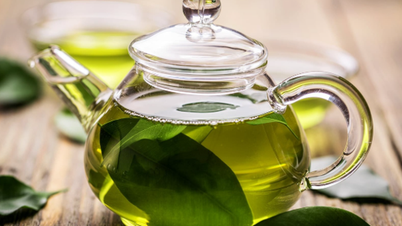
In many Asian countries, including Vietnam, starting the day with a hot cup of tea is a familiar habit. Tea helps to create a feeling of alertness, reduce fatigue, and bring mental relaxation. In fact, many studies show that tea contains beneficial compounds such as polyphenols and antioxidants. However, drinking tea on an empty stomach, especially strong tea, can cause some unwanted reactions.
Therefore, the timing of tea consumption is just as important as the amount of tea consumed. When tea is drunk on an empty stomach, components such as caffeine and tannins in the tea can directly affect the stomach lining and the absorption of nutrients.
1. The disadvantages of drinking tea on an empty stomach.
Content
- 1. The disadvantages of drinking tea on an empty stomach.
- 1.1. Drinking tea on an empty stomach can irritate the stomach.
- 1.2. May reduce iron absorption in the body.
- 1.3. May cause feelings of anxiety, nervousness, or headaches.
- 1.4. May cause mild dehydration.
- 1.5. Impact on oral health
- 2. How to drink tea in the morning safely?
1.1. Drinking tea on an empty stomach can irritate the stomach.
One of the most common effects of drinking tea on an empty stomach is stomach irritation. Tea, especially black tea and some types of green tea, contains caffeine and tannins. These substances can increase stomach acid secretion, leading to discomfort such as:
- Heartburn
- Bloating
- Nausea
- Pain in the upper abdomen...
Some gastroenterologists say that drinking tea on an empty stomach can increase stomach acid, irritating the stomach lining and worsening gastritis in people with pre-existing conditions. For those with a history of stomach ulcers, gastroesophageal reflux, or indigestion, this habit can exacerbate symptoms.

Drinking tea on an empty stomach in the morning can irritate the stomach, affect iron absorption, and cause some unpleasant symptoms in sensitive individuals.
1.2. May reduce iron absorption in the body.
One often overlooked issue is that tea can affect iron absorption. Tea contains tannins – a type of polyphenol that can bind to iron from food, especially non-heme iron (found in plants). When tannins combine with iron in the digestive tract, the body has more difficulty absorbing this mineral.
If you drink tea on an empty stomach or with a meal, the amount of iron absorbed can be significantly reduced. This is especially important to note with:
- Women of reproductive age.
- Vegetarian.
- People at risk of iron deficiency anemia...
Prolonged iron deficiency can lead to symptoms such as fatigue, dizziness, and reduced concentration.
1.3. May cause feelings of anxiety, nervousness, or headaches.
Caffeine in tea stimulates the central nervous system, increasing alertness. However, when caffeine is absorbed quickly on an empty stomach, the stimulating effect can be stronger. Some people may experience symptoms such as:
- Nervous.
- My heart is beating fast.
- Anxiety.
- Headache.
- Restless...
People who are sensitive to caffeine or are experiencing nervous tension may feel these symptoms more acutely.
1.4. May cause mild dehydration.
After a long night's sleep, the body is often mildly dehydrated. Meanwhile, tea has a mild diuretic effect due to its caffeine and theophylline content. This can cause the body to urinate more frequently and make morning dehydration more noticeable if not adequately replenished with fluids.
The consequences may include:
- Dry mouth.
- Tired.
- Mild headache...
Therefore, it's advisable to drink a glass of warm water after waking up to rehydrate before consuming caffeinated beverages.
1.5. Impact on oral health
Drinking tea on an empty stomach, especially before your morning brushing, can also affect your teeth. The coloring compounds in tea can stick to the tooth surface, causing yellowing over time. Additionally, as bacteria in the mouth break down leftover sugar from the previous night, the acidity level in the oral cavity can increase, making tooth enamel more vulnerable to damage.
Drinking tea right after waking up, before eating, or before brushing your teeth can speed up this process.
2. How to drink tea in the morning safely?
You don't need to completely eliminate your morning tea habit. The important thing is to adjust the timing and method of drinking it.
Some recommendations include:
- Drink water before tea: After waking up, you should drink a glass of warm water to rehydrate your body.
- Have a light snack before tea: You can eat some fruit, bread, or a light breakfast before drinking tea.
- Wait about 30-45 minutes after eating: This time allows the stomach to begin digestion and reduces the risk of irritating the stomach lining.
- Avoid drinking tea that is too strong: Very strong tea contains a lot of caffeine and tannins, which can easily upset the stomach.
- Avoid drinking tea that is too hot: Excessively hot drinks can irritate the lining of the esophagus and stomach.
It's important to note that the body's reaction to tea on an empty stomach can vary from person to person. Some people drink tea in the morning without any problems. However, those with sensitive digestive systems, stomach problems, or iron deficiency should be more cautious. Listening to your body's reactions and adjusting your lifestyle accordingly is the best way to reap the benefits of tea while protecting your health.
This article provides health information for reference only and is not a substitute for medical advice, diagnosis, or treatment. Readers should consult a doctor when experiencing health problems.
Source: https://suckhoedoisong.vn/uong-tra-khi-bung-doi-moi-sang-5-tac-hai-nhieu-nguoi-khong-de-y-169260314131905691.htm































![[Photo] Reception to welcome General Secretary and President To Lam and his wife on their State visit to the Philippines](https://vphoto.vietnam.vn/thumb/1200x675/vietnam/resource/IMAGE/2026/06/01/1780295488620_vna-potal-chieu-dai-chao-mung-tong-bi-thu-chu-tich-nuoc-to-lam-va-phu-nhan-tham-cap-nha-nuoc-toi-philippines-8798060-7855-jpg.webp)








































































Comment (0)