

The government has officially submitted to the National Assembly for consideration the establishment of Hue City as a centrally-administered city and the urban government model for Hai Phong City.
Vietnam's first "Heritage City"
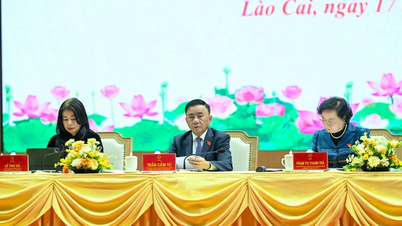
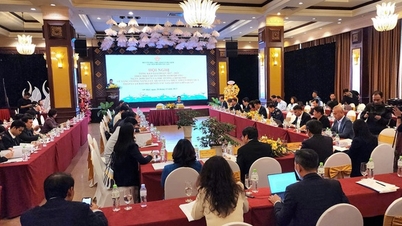
This afternoon (October 30), Minister of Home Affairs Pham Thi Thanh Tra presented to the National Assembly a summary of the proposal to establish Hue City as a centrally-governed city, based on the entire natural area and population of Thua Thien Hue province.
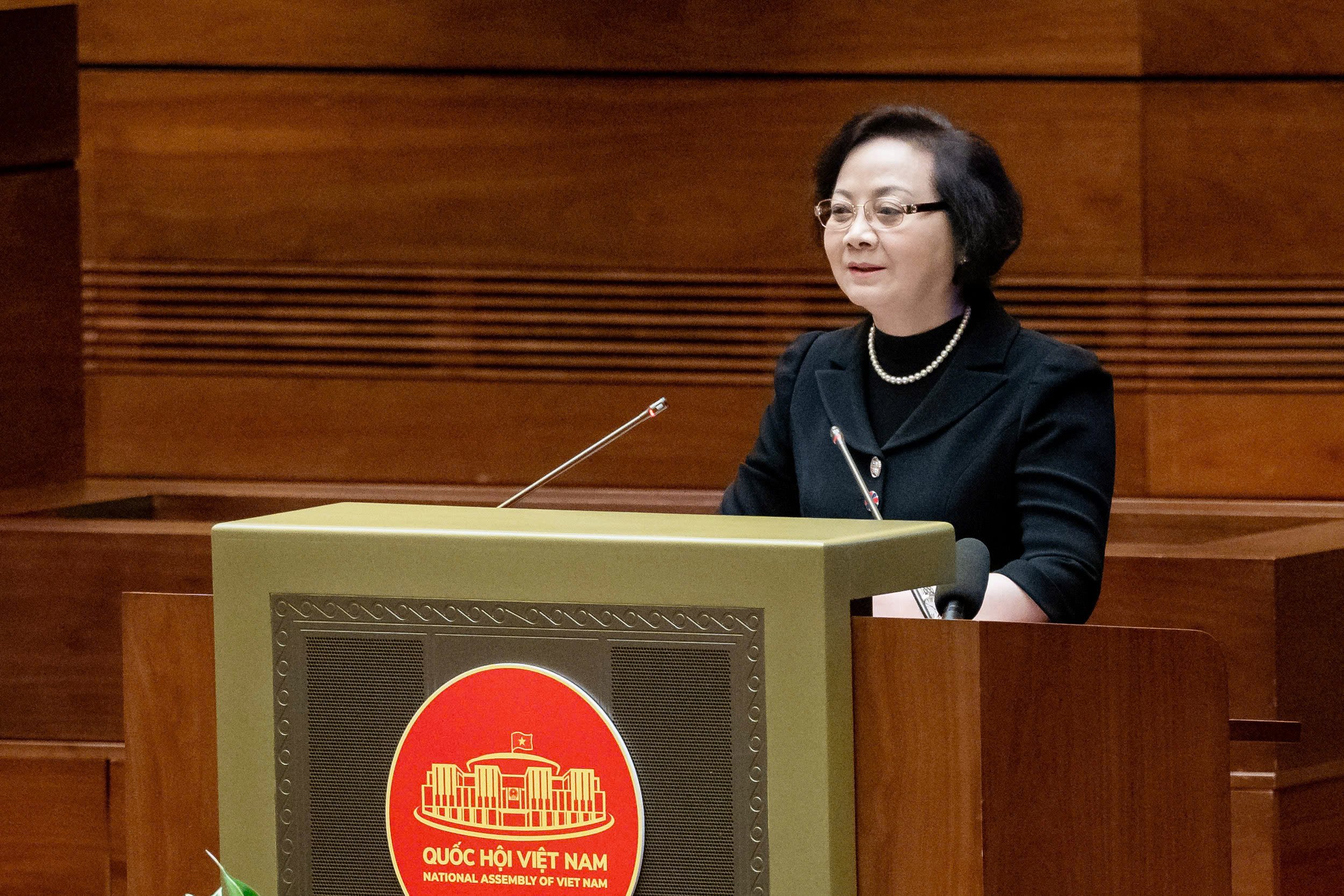
Minister of Home Affairs Pham Thi Thanh Tra.
Hue City, a centrally-governed city, covers an area of 4,947.11 km2 and has a population of over 1.2 million people; it comprises 9 district-level administrative units (2 districts, 3 towns, and 4 counties); and 133 commune-level administrative units (78 communes, 48 wards, and 7 townships).
Thua Thien Hue has a rich history of formation and development spanning nearly 720 years. It is a land of unique cultural heritage of the Vietnamese people, and the only place in Vietnam and Southeast Asia with 8 UNESCO-listed heritage sites (6 of which are unique to Hue).
Thua Thien Hue was the first locality in Vietnam to have a UNESCO World Heritage site recognized since 1993 and became an official member of international heritage networks – this is the unique factor and criterion that makes it the first centrally-governed city in Vietnam to have the characteristics of a "Heritage City".
Reviewing the proposal, the Chairman of the Legal Committee, Hoang Thanh Tung, stated that the Legal Committee agrees with submitting the proposal to the National Assembly for consideration and decision on the establishment of Hue City directly under the central government, based on the entire natural area and population size of Thua Thien Hue province.
During the review process, some opinions suggested that the Thua Thien Hue provincial government continue to pay attention to and develop plans to address the difficulties and challenges that may arise when it becomes a centrally-governed city.
That is, changing the model of state management organization associated with the organization of urban government; transforming the socio-occupational structure to address the issue of employment for the people; and the issue of forming and improving the quality of urban life.
Proposal for Hai Phong to abolish district and ward People's Councils.
Also this afternoon, on behalf of the Prime Minister, Minister Pham Thi Thanh Tra presented a summary of the draft Resolution on the organization of urban government in Hai Phong City.
According to Ms. Pham Thi Thanh Tra, one of the objectives of drafting the Resolution is to build a model of urban government organization in Hai Phong City that is suitable to its scale, characteristics, socio-economic development, and urbanization realities; to selectively adopt the achievements gained in the process of organizing urban government in Ho Chi Minh City and Da Nang in recent years; and to ensure a streamlined organizational structure that operates effectively and efficiently.
Regarding the model of urban government organization in Hai Phong City, the Minister of Home Affairs stated that the local government at the district and ward levels in the city is the People's Committee of the district and ward, which is the state administrative agency at the district and ward level (there is no People's Council of the district or ward).
In addition, the organization of local government in Hai Phong City and other administrative units of Hai Phong City includes People's Councils and People's Committees in accordance with the current Law on Organization of Local Government.
The organizational structure of the District People's Committee includes: the Chairman of the District People's Committee, the Vice-Chairman of the District People's Committee, the Head of the District Police, the Commander of the District Military Command, specialized agencies under the District People's Committee, other administrative agencies, and public service units under the District People's Committee.
The organizational structure of the People's Committee of the ward includes: the Chairman of the People's Committee, the Vice Chairman of the People's Committee, the Commander of the Ward Military Command, the Head of the Ward Police, and other civil servants working at the People's Committee of the ward.
At the same time, to ensure effective and comprehensive leadership and guidance in the implementation of the work of the District and Ward People's Committees in the absence of District and Ward People's Councils, the draft Resolution stipulates: The number of Vice Chairmen of the District People's Committee shall not exceed 3; the number of Vice Chairmen of the Ward People's Committee shall not exceed 2.
Officials and civil servants working at the commune, ward, and town levels are part of the district-level staff. The election, recruitment, management, and utilization of officials and civil servants working at the commune, ward, and town levels are carried out in accordance with the law on the election, recruitment, utilization, and management of officials and civil servants, and according to the authority and decentralization of management.
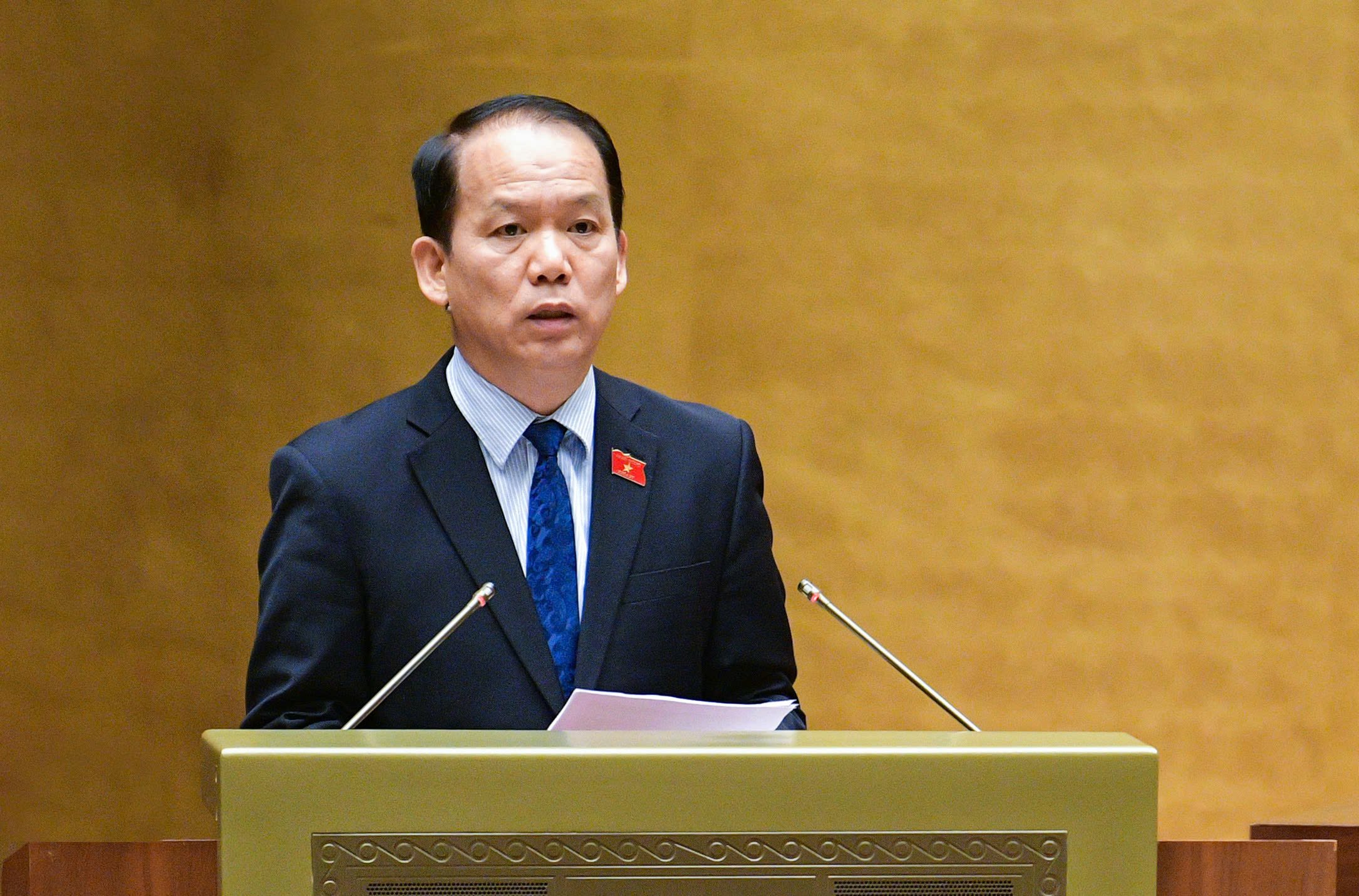
Mr. Hoang Thanh Tung - Chairman of the National Assembly's Law Committee.
Presenting a summary report on the review of the draft Resolution on the organization of urban government in Hai Phong City, Mr. Hoang Thanh Tung stated that many concerns were raised regarding the proposal to increase the number of deputy chairmen of district and ward People's Committees in Hai Phong City without basing it on the classification of administrative units. He argued that this is inconsistent with the policy of reducing the number of deputy positions and is not truly comparable to some other localities also implementing the urban government model.
Therefore, it is suggested that research and refer to regulations on the number of vice chairmen of district and ward People's Committees in localities where the National Assembly has allowed the implementation of the urban government model, in order to establish regulations that are appropriate to the scale, nature, and urban development orientation of Hai Phong City.
Source: https://www.baogiaothong.vn/trinh-de-an-thanh-lap-tp-hue-truc-thuoc-tu-va-mo-hinh-chinh-quyen-do-thi-o-hai-phong-192241030173742516.htm

![[Photo] Prime Minister Pham Minh Chinh presides over a meeting on private sector economic development.](/_next/image?url=https%3A%2F%2Fvphoto.vietnam.vn%2Fthumb%2F1200x675%2Fvietnam%2Fresource%2FIMAGE%2F2025%2F12%2F20%2F1766237501876_thiet-ke-chua-co-ten-40-png.webp&w=3840&q=75)













































































Comment (0)