

The sugar industry plays a crucial role in Vietnam's agriculture, contributing not only to food security but also to economic growth in many localities. However, sugarcane cultivation still faces numerous challenges related to greenhouse gas emissions and environmental impacts.
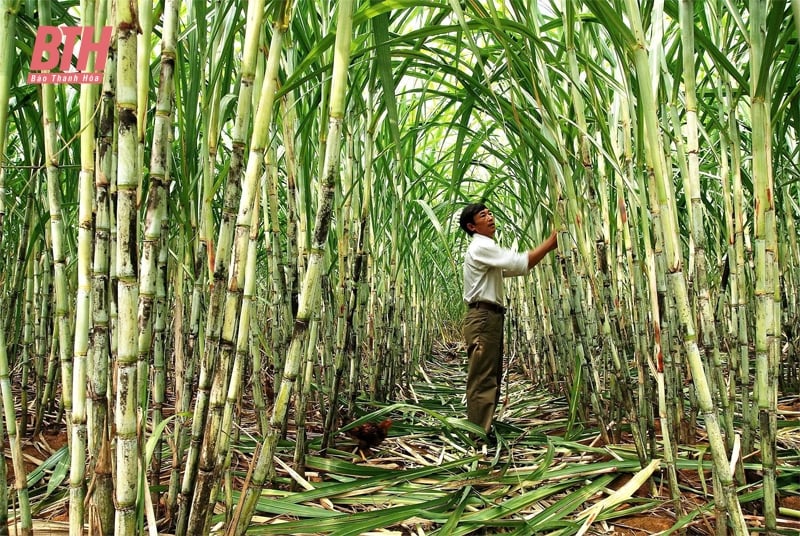
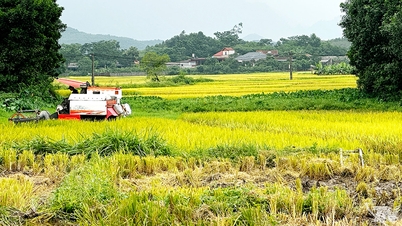
Developing sustainable sugarcane raw material areas.
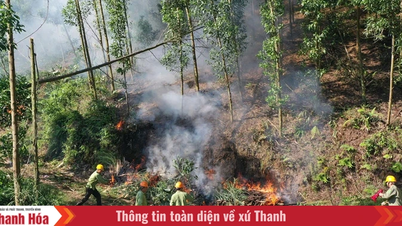
The use of synthetic fertilizers increases the emission of N2O – a greenhouse gas 300 times more potent than CO2. In addition, the practice of burning sugarcane fields after harvest also generates a large amount of CO2, causing serious air pollution.
To address this issue, Vietnam has committed to reducing emissions, moving towards sustainable agriculture with a target of net-zero emissions by 2050. In this context, carbon credit initiatives in agriculture are gaining increasing attention, opening up opportunities for sugarcane farmers to optimize production and benefit from selling carbon credits.
Lam Son Sugar Corporation (Lasuco) is one of the pioneering enterprises in developing sustainable sugarcane raw material areas. With its vast raw material area, Lasuco is gradually transforming traditional farming methods into modern agriculture, reducing greenhouse gas emissions and increasing economic value.
Lasuco has implemented a 500-hectare pilot project in Thanh Hoa province during the 2025-2026 period and plans to expand to 8,000 hectares from 2027. This marks the first time in Vietnam that an agricultural land management project based on Verra's VM0042 standard has been applied to the sugar industry, helping to reduce N2O emissions and increase soil organic carbon (SOC).
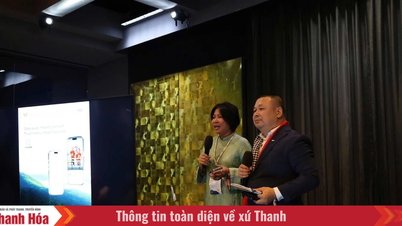
Recently, the signing ceremony for the carbon emission reduction project in the Lam Son sugarcane growing area marked a strategic collaboration between Lasuco and two Japanese partners, Idemitsu Kosan and Sagri, once again affirming the important role of carbon emission reduction in Vietnamese agriculture. Mr. Le Van Phuong, General Director of Lasuco, emphasized: “All profits from the project will be distributed to farmers, helping them improve sugarcane productivity and significantly improve their economic lives. This is how we stand alongside farmers, creating sustainable value.”
Mr. Egashira Hideaki, General Director of Idemitsu Vietnam, commented: “The carbon emission reduction project in the Lam Son sugarcane growing area is a significant step forward in the field of environmentally sustainable agriculture in Vietnam. We are committed to continuing to promote this sector alongside the clean and renewable energy projects we are currently implementing.” Meanwhile, Mr. Hiroya Ishitsubo, Global Chief Financial Officer of Sagri, shared: “Vietnam is not only an agricultural powerhouse, but also an ideal destination for developing carbon credit projects. We expect to expand the model to other crops such as rice, taking sustainable agriculture to a new level.”
Solutions for reducing greenhouse gas emissions in sugarcane cultivation.
The overuse of chemical fertilizers not only degrades the soil but also produces N2O gas. To address this, Lasuco is implementing a model using organic and microbial fertilizers combined with improved farming techniques to reduce N2O emissions while ensuring crop yields. One of the main causes of CO2 emissions in the sugarcane industry is the practice of burning sugarcane fields after harvest. Lasuco is promoting methods for collecting and reusing bagasse and sugarcane leaves as raw materials for biomass energy production or organic fertilizers, instead of burning them and causing environmental pollution. Increasing the organic carbon content in the soil helps improve fertility, maintain moisture, and minimize greenhouse gas emissions. Lasuco's project applies techniques for greening the sugarcane fields, using cover crops to enhance carbon storage in the soil, creating favorable conditions for the development of a carbon credit system in agriculture.
Carbon credits – an opportunity to increase income for farmers.
Carbon credits are one of the sustainable economic solutions that help businesses and farmers generate additional income by reducing greenhouse gas emissions. By registering and certifying the project according to Verra's VM0042 standard, Lasuco not only pioneers in the sugar cane production sector but also creates the first carbon credits in Vietnam using this method.
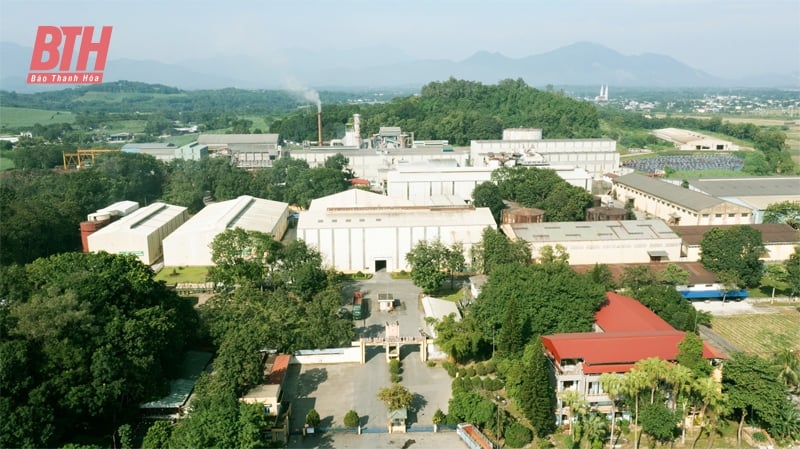
Farmers participating in the project can receive a double benefit: improved sugarcane yields and reduced production costs thanks to sustainable farming techniques, while also being able to sell carbon credits to increase their income. This helps improve their economic well-being and encourages them to participate in green agricultural production models.
Lasuco's sustainable sugarcane raw material development project is implemented according to a strict roadmap: In January 2025, farmers will be trained and sustainable farming models will be tested on 500 hectares in Thanh Hoa; in 2025-2026, data will be collected and the impact of greenhouse gas emission reduction solutions will be assessed; in 2027, the model will be expanded to the entire production area, aiming for 8,000 hectares applying emission reduction techniques and generating carbon credits.
In the long term, Lasuco aims to expand this model nationwide, striving to build a green, sustainable, and modern sugar industry. The application of environmentally friendly technologies and farming methods will help minimize the negative impacts of agricultural production on the global climate, while simultaneously enhancing the economic value of Vietnamese sugarcane in the international market.
Developing sustainable sugarcane raw material areas is not only an inevitable trend but also a strategic solution for Vietnam to achieve its goals of reducing greenhouse gas emissions and greening agriculture. With Lasuco's pioneering implementation of the first carbon credit project in the sugarcane industry, Vietnamese farmers not only have the opportunity to increase their income but also contribute to building an environmentally friendly agricultural ecosystem.
The project not only brings economic benefits but also creates sustainable values for the community, promotes the development of modern agriculture, and contributes to realizing the Vietnamese Government's commitment to achieving net-zero emissions by 2050.
Text and photos: Ngoc Lan
Source: https://baothanhhoa.vn/tu-cay-mia-den-tin-chi-carbon-239040.htm



























































































Comment (0)