

 |
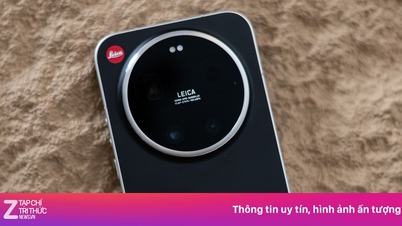
Xiaomi is going against the general trend in the smartphone industry. Photo: Xiaomi . |
When launching the 17 and 17 Ultra at the Mobile World Congress (MWC 2026), Xiaomi made very little mention of artificial intelligence (AI). In particular, when demonstrating the photography capabilities of these two models – including the special 17 Ultra version in collaboration with Leica – Xiaomi remained completely silent about the AI aspect.
According to Angus Ng, the company's Director of Communications and Public Relations, this was entirely a calculated strategy, not an oversight.
"Currently, we are still focused on breaking the limits of hardware. Only when we can no longer create physical innovations will we begin to consider focusing our efforts on software," Ng shared with The Verge at MWC 2026.
Xiaomi is going against the general trend of the global smartphone industry. While Google and Samsung are focusing on computational photography, Xiaomi prioritizes hardware power. The company believes that AI algorithms cannot completely replace the quality of lenses and sensors.
Xiaomi's current high-end phones all feature 1-inch sensors. This is the largest sensor size on a mobile device. A larger sensor allows for more natural light capture, minimizing the need for software adjustments to image brightness.
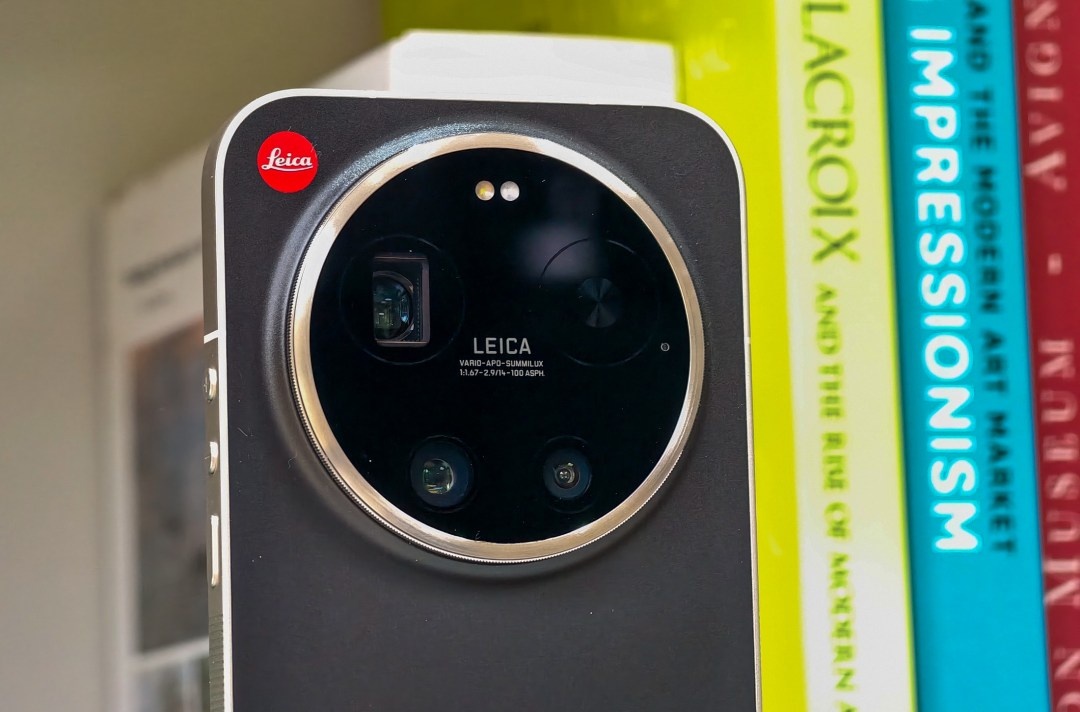 |
Xiaomi's flagship models now feature a 1-inch sensor, the largest size on a smartphone. Photo: Dominic Preston / The Verge. |
The collaboration with Leica is also a crucial strategic move for the company. Leica not only provides the brand but also participates in optical design.
According to Mr. Ng, Google and Samsung have been very successful with their AI-powered night photography capabilities. However, images from these devices sometimes look too artificial. Xiaomi wants users to feel the texture of light through the lens. They don't want the photos to be completely dominated by lines of programming code.
"Of course, we're still integrating software and AI processing inside our existing sensors and imaging systems, it's just not as obvious as Samsung is doing," he said.
Xiaomi representatives have repeatedly emphasized the importance of the traditional photography experience. This viewpoint has received support from the photography community, who want a phone that functions more like a real camera than a computer for image processing.
"About one or two years ago, when we really focused on AI-powered processing, the feedback from users wasn't as positive as we expected," Mr. Ng continued.
Initial reviews suggest that Xiaomi has proven the value of physics. Having a large sensor and a good lens reduces the burden on the processor. This also results in faster shooting speeds and reduced shutter lag.
Regarding the reason why Samsung chose a different path, Mr. Ng offered a bold personal perspective: "Because their hardware hasn't seen any upgrades, they're forced to focus their entire strategy on software."
Source: https://znews.vn/tu-duy-nguoc-cua-xiaomi-post1632002.html






















































































Comment (0)