

In his spacious house nestled among cinnamon hills, Mr. Cu A Chinh slowly poured a cup of tea, his gaze fixed on the distant mountain ranges as if searching for memories from nearly half a century ago.
"When we first came here, life was tough!" - Mr. Chinh began his story.
In early 1979, when the border war in the North broke out, many Hmong families in the Si Ma Cai area had to leave their homeland to find a new place to live. After many days of crossing mountains and forests, they settled in what is now Trung Tam village, Mo Vang commune.
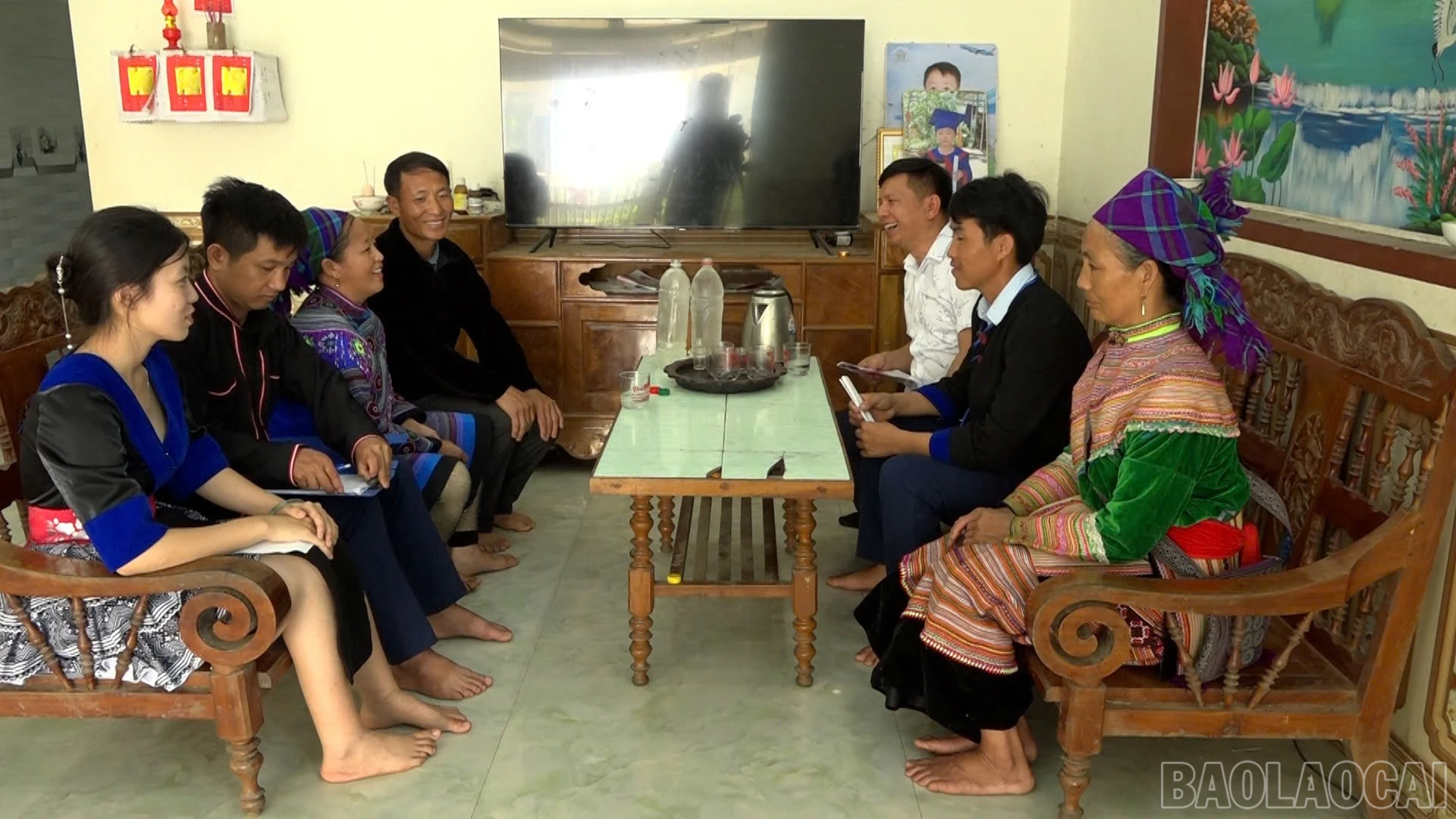
Before them lay dense, overgrown forests, devoid of electricity, roads, and houses. At night, the sounds of wild animals echoing from the mountain crevices filled many with unease and anxiety. But compared to the instability of their old homeland, this land still offered them hope for a more peaceful life.
“Those were tough times. We had over a dozen households, and to have a few acres of land to grow corn or rice, we had to exchange it for countless days of clearing forests and reclaiming land. Hunger and cold plagued us year-round, but no one thought about leaving for somewhere else,” Mr. Chỉnh recalled.
Determined to stay rooted in the land and the forest, the first huts were built using bamboo, reeds, and forest leaves. During the day, everyone worked together to clear land and cultivate fields; at night, they gathered around the fire to warm themselves and encourage each other to overcome difficulties. It was this unwavering determination that helped them gradually stabilize their lives in this new land.
In the years that followed, roads were built, the national power grid reached every household, and children were able to go to school. However, life still mainly depended on corn and rice, so poverty continued to plague the people here.
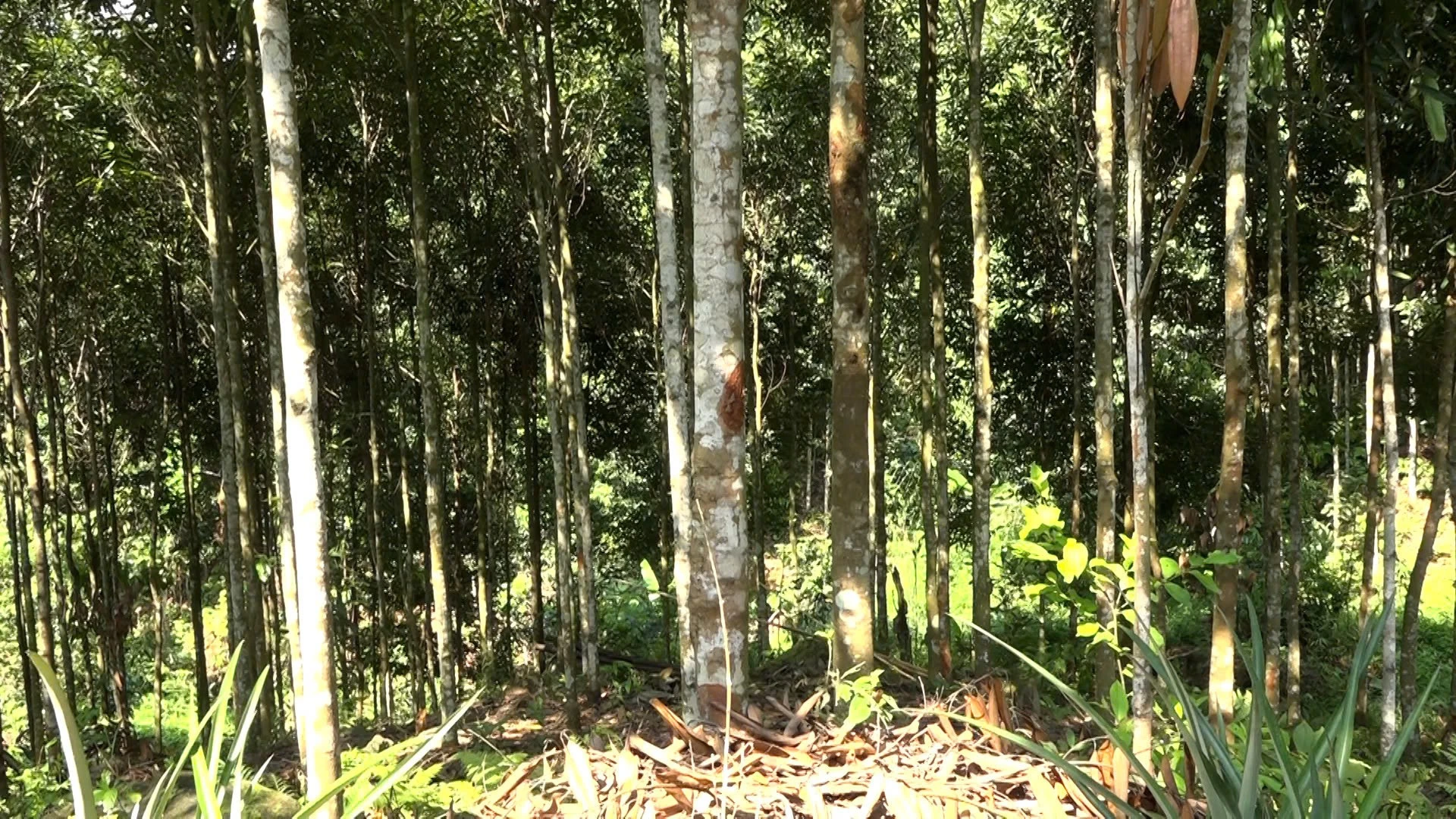
Cinnamon trees pave the way to wealth.
In 2005, recognizing that the soil and climate conditions in Mo Vang were suitable for cinnamon cultivation, the local Party committee and government encouraged people to expand the area planted with cinnamon, considering it a key crop for economic development.
At that time, for the Hmong people who were used to growing corn and rice to have food each season, placing their trust in a crop that would take a decade to yield economic value was not an easy decision.
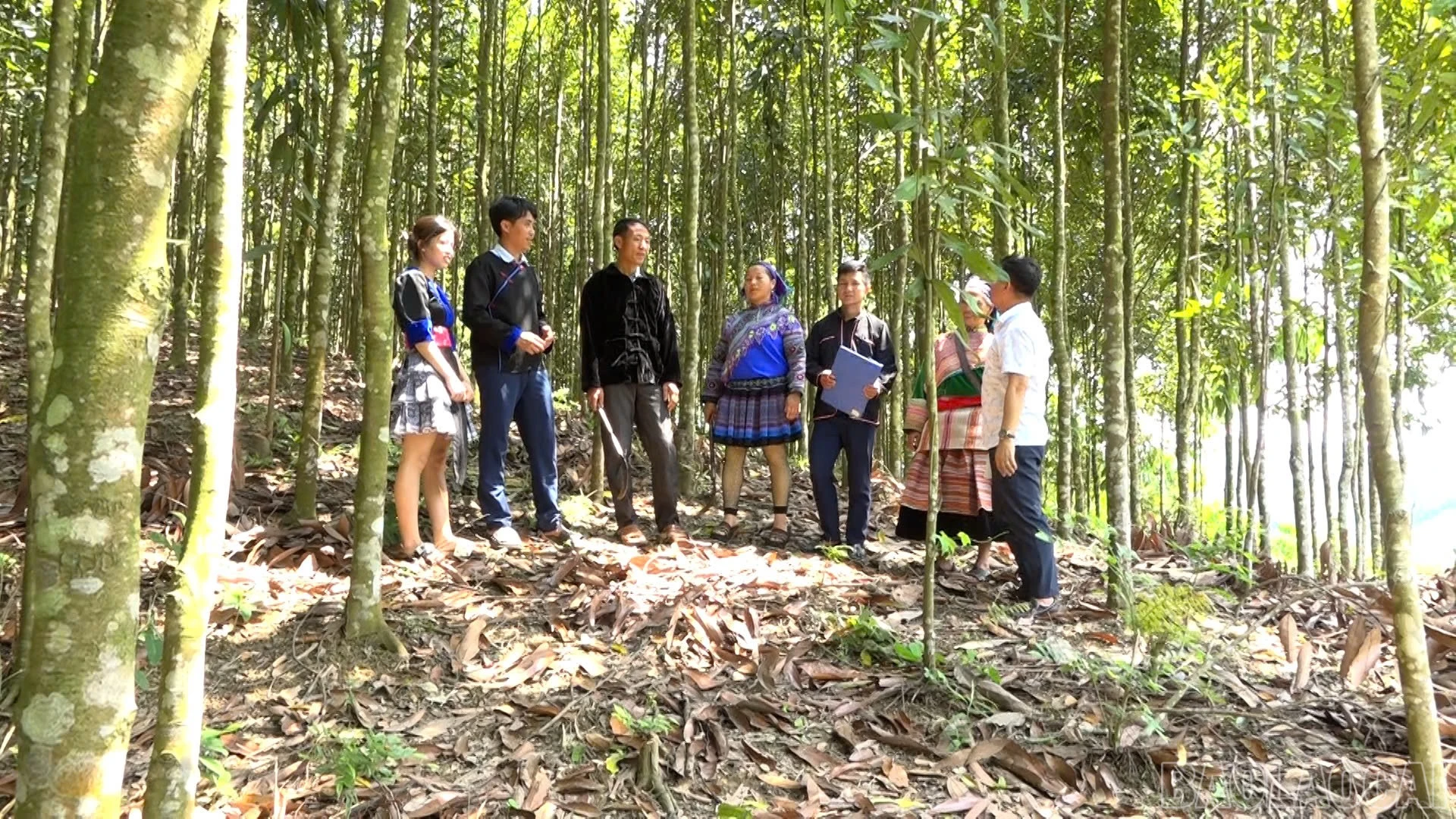
Understanding this mindset, officials from Mo Vang commune took the villagers to visit and learn from the cinnamon cultivation experiences of the Dao people in the neighboring area, while also providing technical guidance and facilitating access to preferential loan capital. Seeing the lush green cinnamon hills of the Dao people who have lived in this land for generations, many Mong households began to change their way of thinking.
Ly A Pua's family was one of the first Hmong households to plant cinnamon in Trung Tam village. At that time, his family borrowed 30 million VND from the Social Policy Bank of Van Yen district to buy 7,000 cinnamon seedlings, along with the cost of fertilizer and labor.
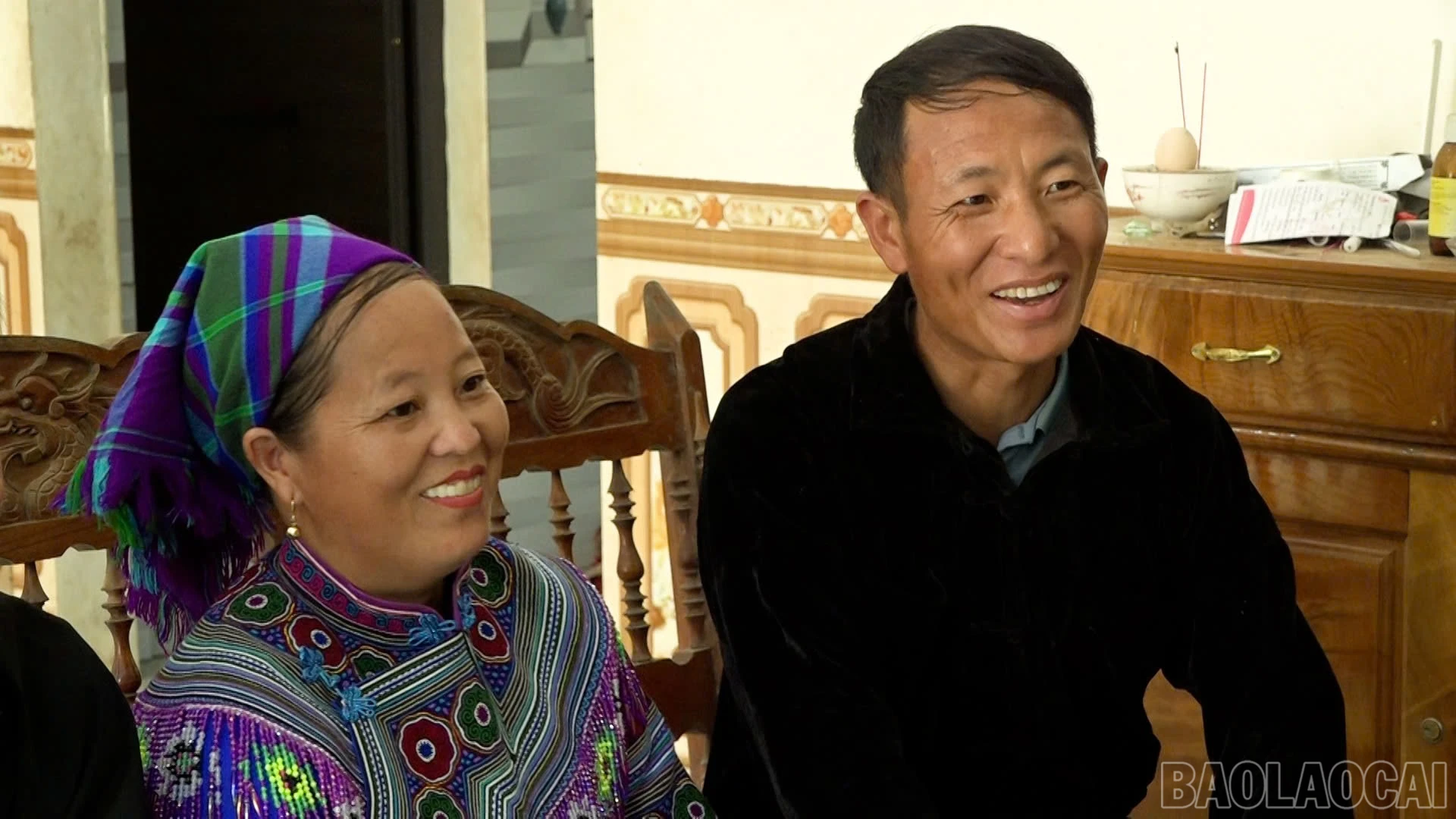
Regardless of the weather, he spends almost all his time on the cinnamon hills. While waiting for the trees to grow, the family continues to grow corn and rice and raise livestock to earn income to support their lives.
Hard work eventually pays off. In 2012, the first harvest of cinnamon trees brought unexpected joy. From bark and branches to wood, everything was bought by traders at high prices. Cinnamon bark alone sold for 35,000 VND/kg.
Holding tens of millions of dong in his hands for the first time, the Hmong man realized that cinnamon trees could truly become a source of wealth.
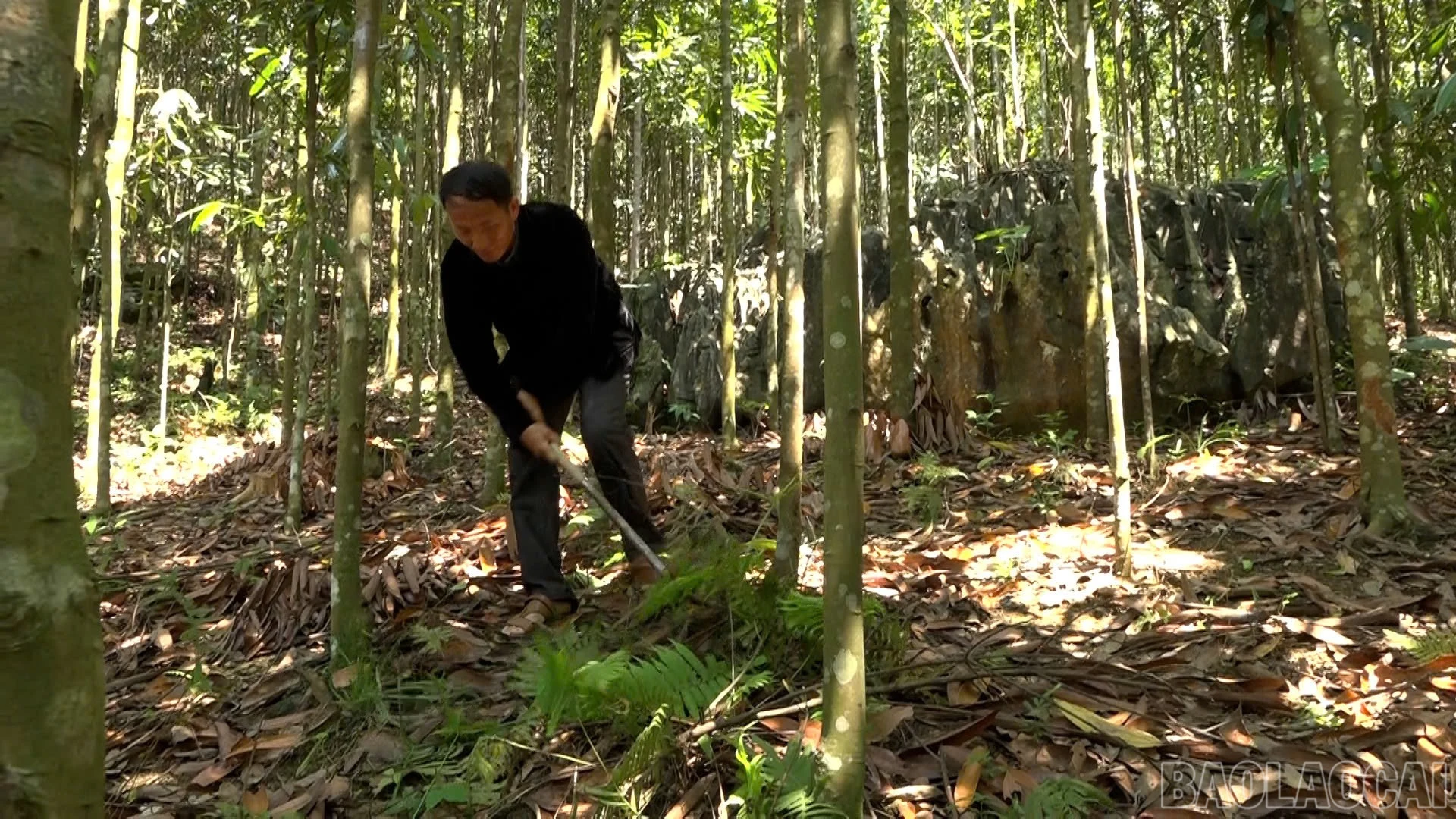
With capital in hand, he continued to expand his plantation, buying more forest land to grow cinnamon. To date, his family owns more than 10 hectares of cinnamon.
Mr. Pua said: "I don't remember the exact area of cinnamon trees, but it's probably more than 10 hectares. Each year, I harvest about 2 tons of cinnamon bark to cover family expenses, and I only harvest the rest when I need more money."
From their humble, cramped wooden house in the past, in 2018, Mr. Pua's family built a spacious, well-equipped two-story house. Their children received a good education, and the family has more savings.
"It's all thanks to cinnamon!", Mr. Pua laughed.
The green color of prosperity
Right next to Mr. Pua's house, Mr. Thao A Su's house is also spacious and well-built. "In 2018, my family built this house. At that time, selling three cinnamon hills was enough to raise 980 million dong to build the house; we didn't have to borrow from anyone," Mr. Su recounted.
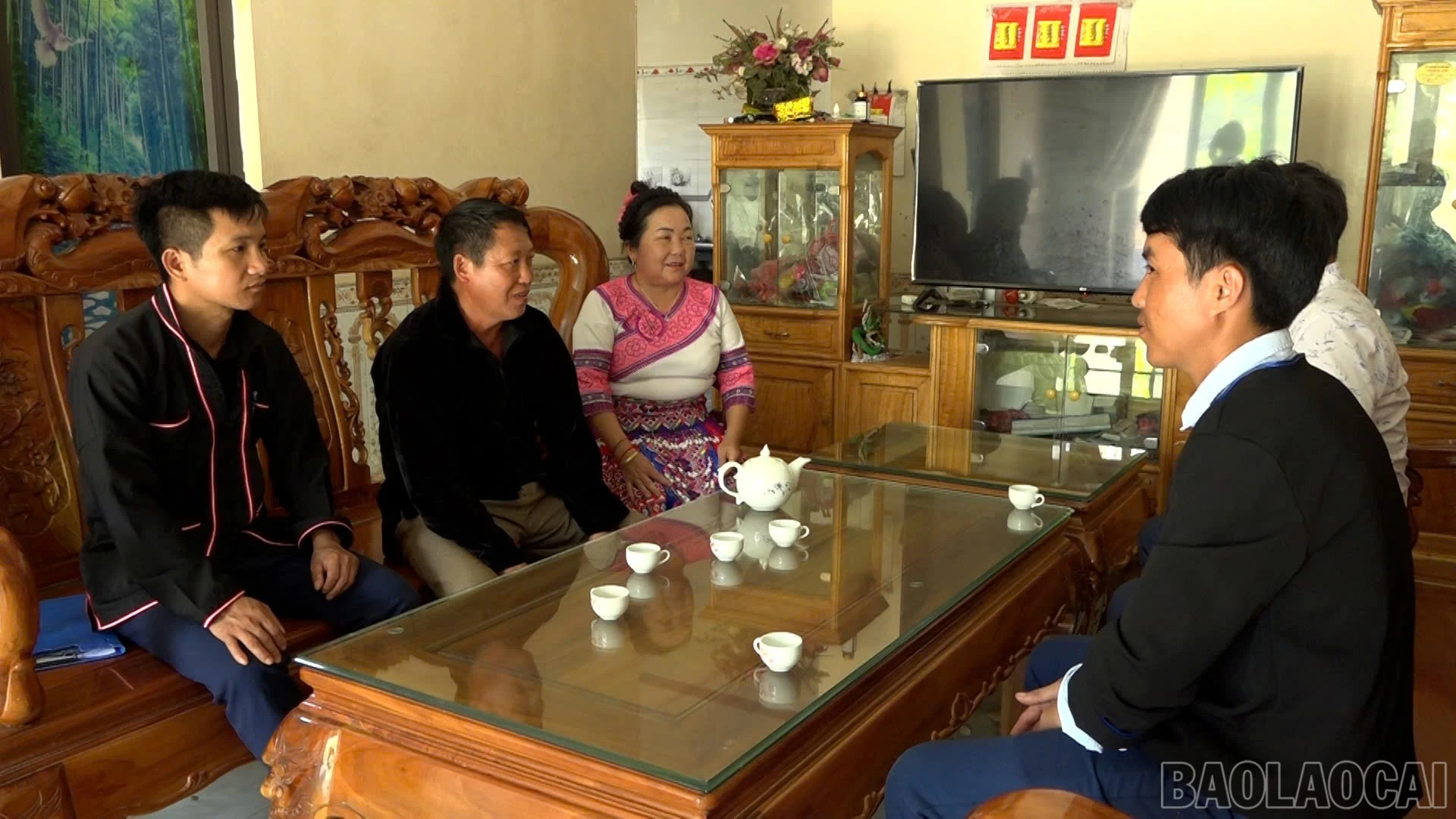
But when asked about his greatest achievement after many years of working with cinnamon trees, this man didn't mention houses or possessions.
Sitting on the porch watching his grandchildren play, he said that what made him happiest was that his children and grandchildren had the opportunity to study and have a better future.
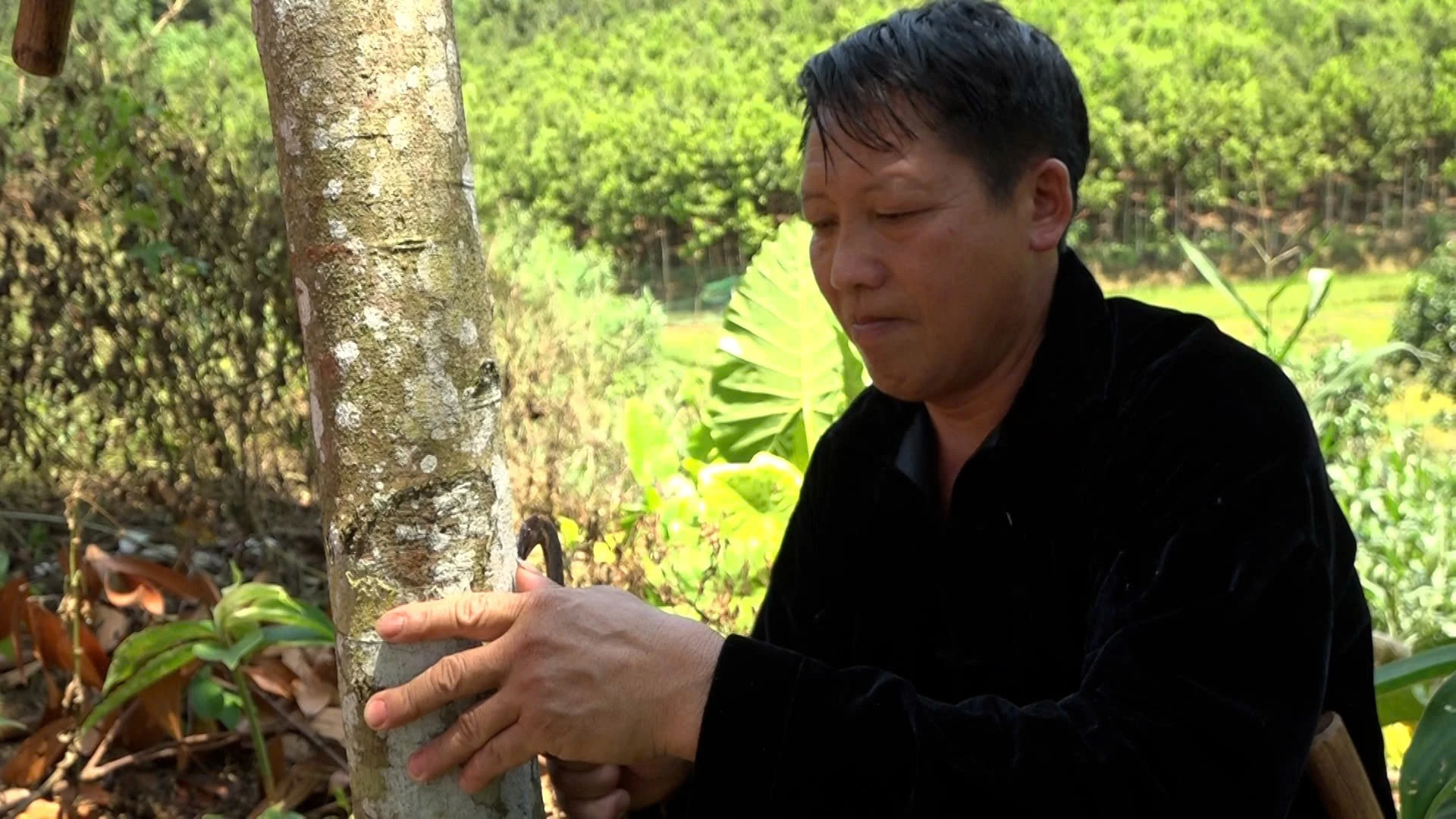
“When I came here with my parents, I was only 6 years old. We didn't even have enough to eat, so I couldn't get a proper education. Now things are different. My children and grandchildren all go to school, some even go to university. That's what makes me happiest,” Mr. Su shared.
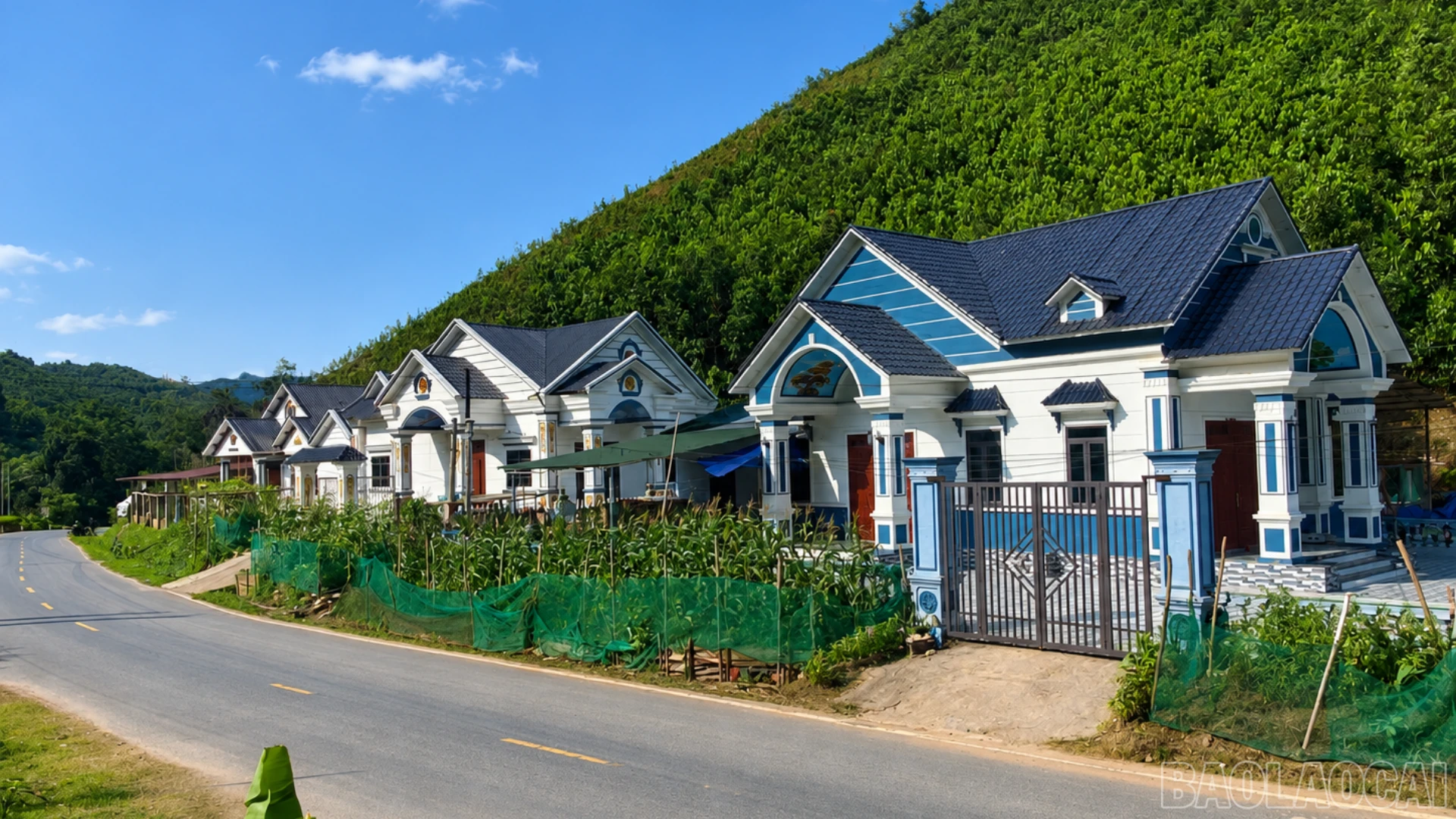
In Trung Tam village today, multi-story houses and cars have become a familiar sight. Along the concrete road running through the village are solidly built houses with modern architecture nestled amidst the vast green of cinnamon trees. In front of the houses are private cars, pickup trucks, and small trucks used for daily life and transporting agricultural products.
According to Mr. Cu A Chung, Secretary of the Party Branch of Trung Tam village, the Mong ethnic community in the village currently has 40 households with over 400 hectares of cinnamon trees. On average, each household owns about 10 hectares of cinnamon. The value of each hectare of cinnamon is currently estimated at about 450 million VND. 95% of the households in the village are considered well-off or wealthy; many households possess assets worth billions of VND, such as the families of Mr. Ly A Pua, Mr. Ly Seo Ban, Mr. Thao A Su, Mr. Cu A Chinh, Mr. Cu A Xay, etc.
What is admirable is that despite rapid economic development, the Hmong people here still maintain a simple lifestyle, solidarity, and hard work. Whenever it's time for cinnamon harvesting or when a family is building a house, they still maintain the custom of exchanging labor and supporting each other, just like when they first came to this land to settle.
From their humble beginnings in search of a place to live nearly half a century ago, the Hmong people in Trung Tam village, Mo Vang commune, have built a proud legacy on this once-difficult land. The endless green of cinnamon trees today is not only the green of hills that bring economic value, but also a testament to the will to rise and the aspiration for change of a community in the highlands of Mo Vang.
Source: https://baolaocai.vn/tu-nguoi-di-tim-dat-song-den-nhung-ty-phu-que-o-mo-vang-post900836.html
![[Photo] General Secretary and President To Lam presides over a meeting on preparations for the review of one year of operation of the three-tiered government system.](https://vphoto.vietnam.vn/thumb/1200x675/vietnam/resource/IMAGE/2026/06/02/1780391821195_a1-bnd-4595-9717-jpg.webp)
















































































Comment (0)