Easing tensions in the Middle East could help improve oil supply.
This past week, the global economy received positive signals after US and Iranian leaders signed a memorandum online aimed at ending the conflict in the Middle East. This was accompanied by the gradual resumption of shipping through the Strait of Hormuz after more than three months of disruption. This strategic waterway carries approximately 20% of the world's traded oil. Therefore, these new developments immediately eased pressure on the world's energy supply.
According to maritime data firm Lloyd's List Intelligence, large tankers owned by various corporations began moving through the Strait of Hormuz shortly after Iran and the US lifted the blockade. Various estimates suggest that approximately 10-12 million barrels of oil were transported through the strait on the first day the framework agreement took effect. Tens of millions more barrels are expected to be released onto the market.
Kuwait, a major oil producer in the region, has also begun ramping up oil production and plans to increase output from half a million barrels per day to two million barrels within a week.
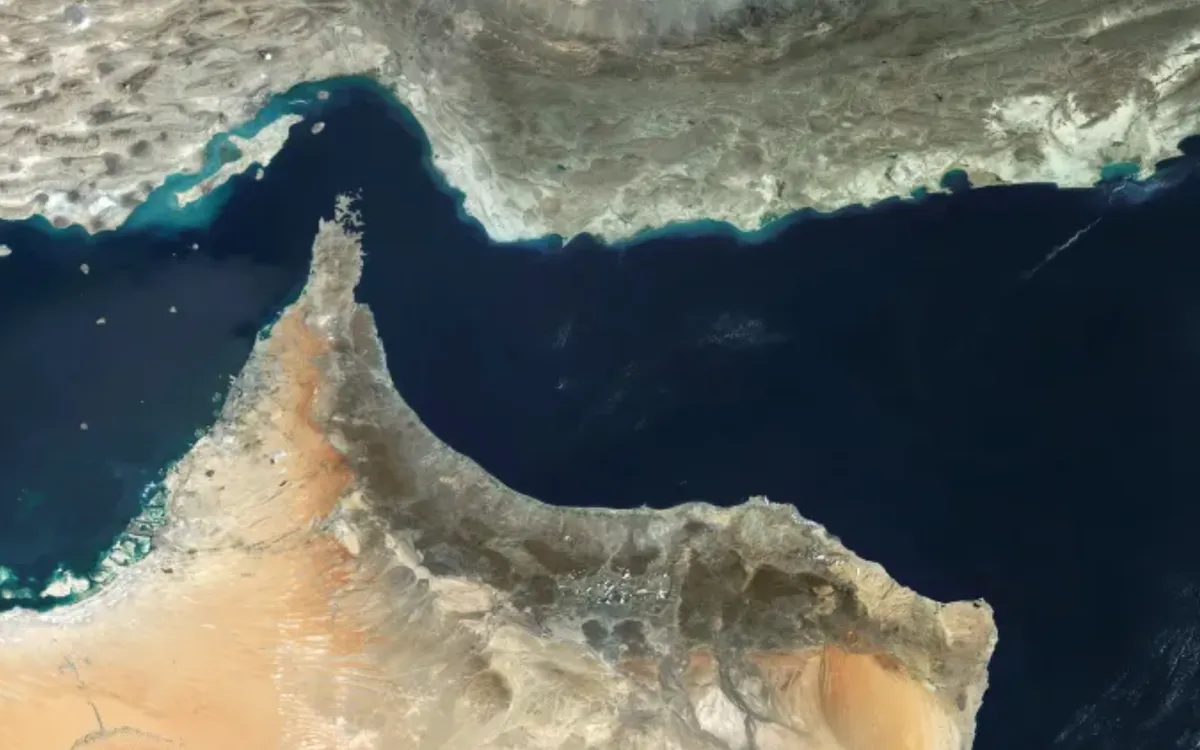
Shipping operations through the Strait of Hormuz have gradually resumed after more than three months of disruption - Photo: Gallo Images
Supply chain pressures and inflation remain persistent.
As supply increases, oil prices will cool down. Brent and WTI crude oil both fell by about 7-8% over the past week. Many major Wall Street banks such as Goldman Sachs, Morgan Stanley, and Citi... have simultaneously lowered their medium-term oil price forecasts. Citi, in particular, forecasts that the average Brent oil price will only be $65 per barrel by 2027.
However, while the market may react very quickly, adjustments in the operational aspects of the supply chain occur much more slowly.
According to analysts, reopening the strategic shipping lane through the Strait of Hormuz is only the beginning. Much work remains to be done to restore energy supplies after months of disruption, from clearing mines to repairing damaged infrastructure.
Paul Gooden, Head of Natural Resources at Ninety One, said: "What we really need to consider is how quickly the oil tankers are returning to the Gulf. In my most optimistic scenario, the market could recover about 80% of production, but to recover the remaining 10% to 20% will take three, four, or even five months."
Many believe that the market is currently overly optimistic about signs of a cooling-off in the crisis, while supply-demand imbalances have not completely disappeared. Price pressures are predicted to rise again as countries seek to replenish their reserves, which have been significantly depleted during the conflict.


Bob McNally, Chairman of Rapidan Energy Group, shared: "The risk of shortages remains present amid continued sharp declines in fuel inventories. U.S. gasoline inventories are at their lowest level in 11 years; distillate inventories are at their lowest level in 29 years; and U.S. Strategic Petroleum Reserves are at their lowest level in 43 years."
Beyond energy, the prolonged shock over the past several months has spread to industrial goods, chemicals, and raw materials for production. This is why inflationary pressure is projected to continue in the near future. In this context, many central banks are expected to maintain a cautious stance.
Mr. Heng Koon How, Head of Market Strategy at UOB Group, commented: "It will take at least three to six months for prices of all commodities to stabilize, thereby reducing inflation risks. Central banks in Europe, Australia, and more recently the Federal Reserve in the US have hinted that they may need to raise interest rates further. For the Asia-Pacific region, I think that for at least the next three months, regional central banks will still need to be cautious about inflation."
The reopening of the Strait of Hormuz will help ease pressure on global supply chains. However, to fully restore supply, rebuild energy reserves, and curb inflation risks, the global economy may still need more time.
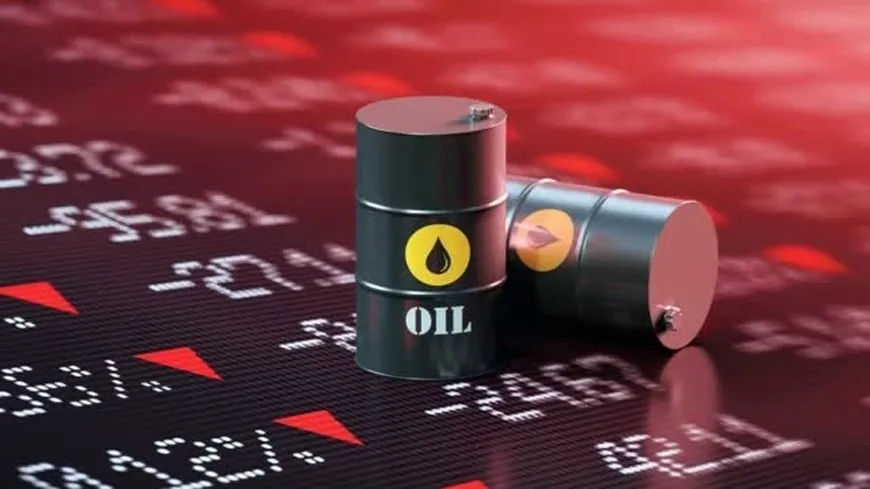
Hormuz may have reopened, but the recent crisis has left a major lesson for the global energy market. - Photo: Fox Business
Supply chain structural shifts following conflict
Shortly after the memorandum was signed, Iran announced the suspension of the entire 60-day negotiation framework with the US, citing Israel's continued attacks on southern Lebanon. Clearly, the agreement remains very fragile.
Iran has indicated that after the 60-day period of free passage outlined in the memorandum with the US, it will charge fees to ships passing through the Strait of Hormuz. This is an issue on which Tehran and Washington still have significant differences, and it raises concerns about increased shipping costs in the future.
These developments show that tensions in the Middle East are far from being fully resolved. And the risk of supply chain disruptions remains, forcing businesses and countries to prepare for a new reality: instead of simply optimizing costs, global supply chains will have to prioritize resilience to geopolitical shocks.
After more than three months of disruption, businesses and governments around the world are having to reconsider their energy supply chain strategies. Instead of just focusing on cost optimization, many are prioritizing building contingency plans, expanding storage systems, diversifying supply sources, and spending more heavily on risk insurance.
Paul Gooden, Head of Natural Resources at Ninety One, said: "We need to frankly acknowledge that the oil market will have to live with the long-term repercussions of this conflict for the next few years. The risks to the Strait of Hormuz could recur, and oil prices will certainly have to add a geopolitical risk premium after what we have seen. Most people will have to reframe their pre-conflict medium-term price cycle, now adding $5 to $10."
The crisis also forced major oil-exporting nations in the Middle East to accelerate plans to build alternative routes to the Strait of Hormuz.



Heng Koon How, Head of Market Strategy at UOB Group, shared: "OPEC and Middle Eastern oil producers need to strengthen alternative methods for exporting crude oil. For example, Saudi Arabia has the East-West pipeline and is exporting oil through the Yanbu port on the Red Sea. The UAE is also transporting oil via an alternative route at the Fujairah port. These alternative methods will continue to be maintained."
Energy-importing economies are also accelerating the diversification of their supply sources to mitigate risks from strategic bottlenecks. The trend of seeking new suppliers or new energy sources is expected to continue to intensify.
Mr. Heng Koon How, Head of Market Strategy at UOB Group, added: "Asia-Pacific countries can no longer be completely dependent on the Middle East as before. They can import more oil from Latin American countries, or, like Singapore, are buying more liquefied natural gas from Australia. All countries now need to cooperate to move towards other energy sources such as solar and hydropower."
Hormuz may have reopened, but the recent crisis has left a major lesson for the global energy market. In a more volatile world, resilience, diversification of supply sources, and reduced reliance on strategic bottlenecks are becoming priorities just as important as optimizing costs and operational efficiency.
The Strait of Hormuz has reopened, but the smooth functioning of the global economy cannot be achieved immediately. From a philosophy of cost optimization, global supply chains must now prioritize resilience. Accepting a constant "risk premium" in exchange for security is no longer a contingency plan, but the new rule of the game for the world's energy flows today.
Source: https://vtv.vn/tuong-lai-chuoi-cung-ung-sau-xung-dot-trung-dong-100260620131754343.htm




![[Photo] Prime Minister Le Minh Hung presides over the thematic session on promoting science and technology development and innovation.](https://vphoto.vietnam.vn/thumb/1200x675/vietnam/resource/IMAGE/2026/06/23/1782207872934_ndo_br_dsc-1724-jpg.webp)