Ukraine launches ATACMS, Russia responds with Iskander missiles.
The recent missile confrontation reveals a deeper escalation of conflict within Russian territory, making the course of the war more unpredictable than ever.
Báo Khoa học và Đời sống•24/11/2025
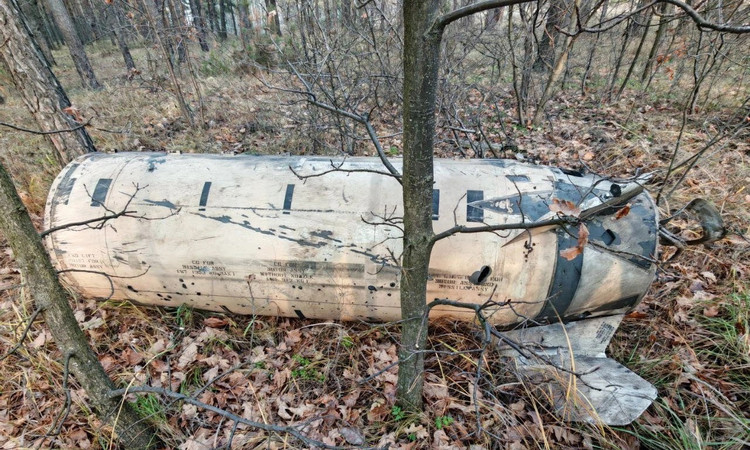
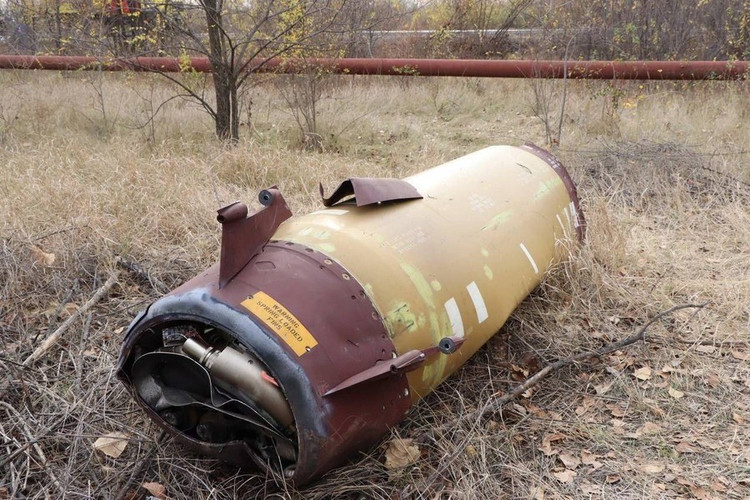
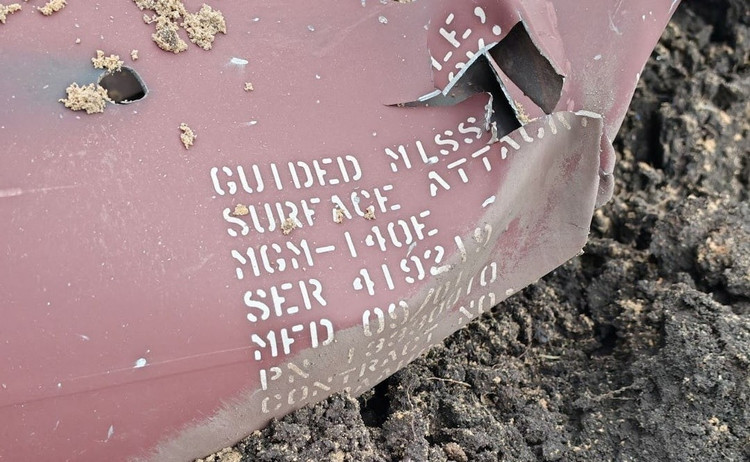
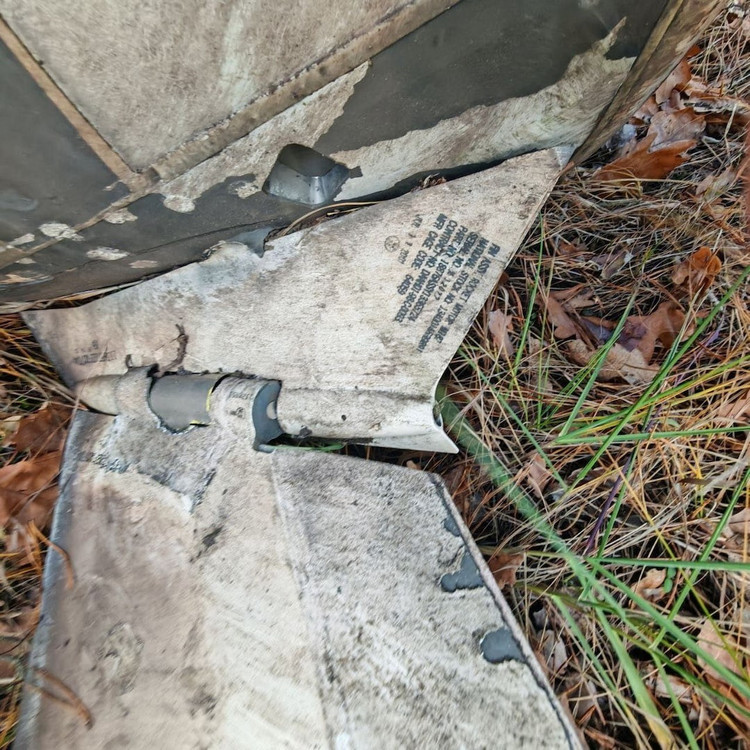
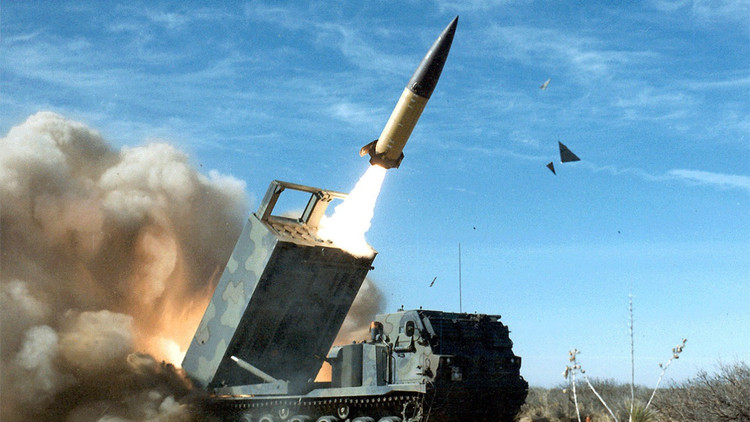
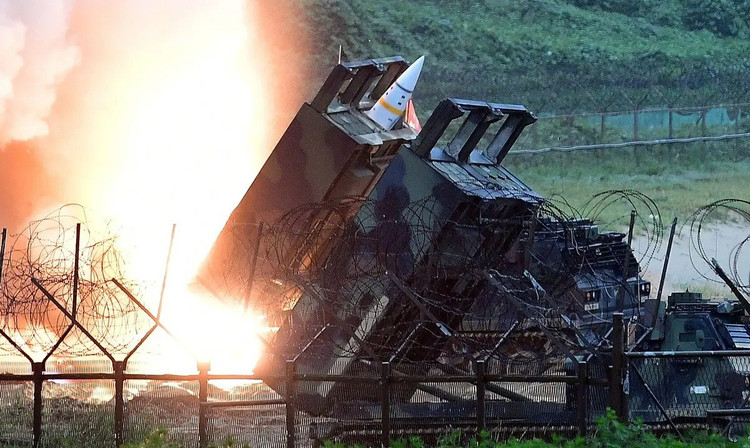
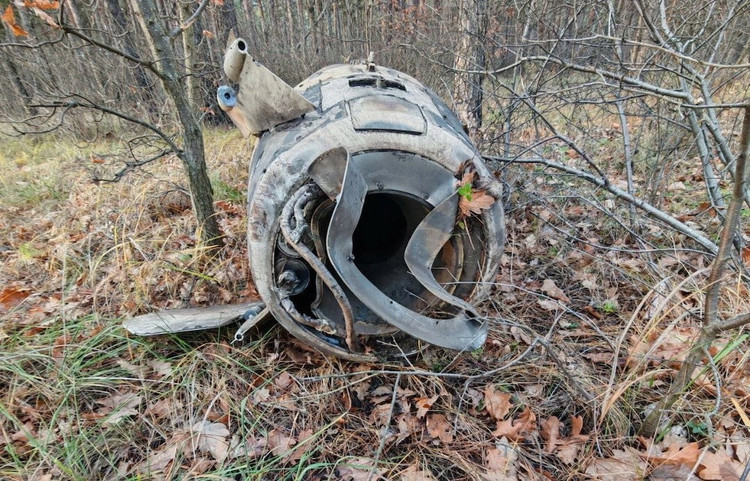
On November 19, Russia announced that its air defense system had intercepted all four US-made ATACMS missiles after Ukraine launched a rare surprise attack on the southern Russian city of Voronezh. Moscow accused Kyiv of deliberately targeting civilian targets, while Ukraine denied the accusation, asserting it was a targeted attack on military infrastructure. The Russian Ministry of Defense subsequently released a series of images showing what appeared to be debris from an ATACMS missile scattered in a forest near Voronezh. These images, disseminated on Telegram, showed large, intact metal components described as the missile's body and guidance system.
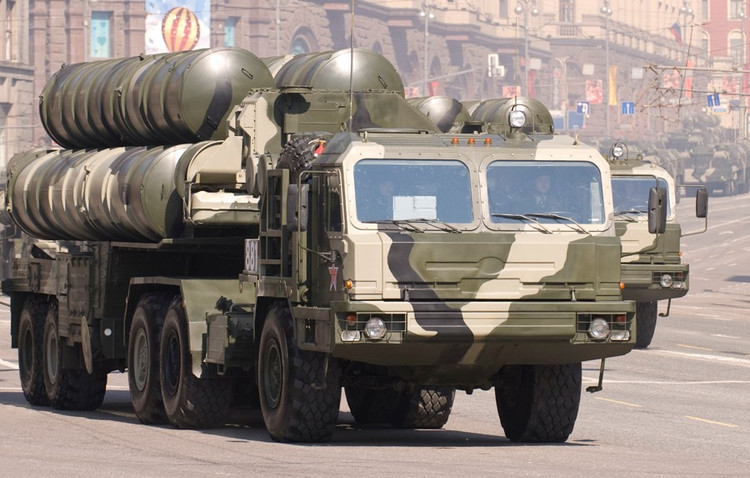
According to the Russian side, the ATACMS missiles were launched from the direction of Kharkiv, a hotspot of fighting. Moscow said that aerial reconnaissance forces quickly pinpointed the launch area after the attack, allowing the Russian military to deploy retaliatory measures in a short time. The Russian Ministry of Defense claims that the S-400 and Pantsir-S1 systems coordinated to intercept the entire salvo of ATACMS missiles. The neutralization of a tactical ballistic weapon, considered highly difficult to counter, is seen by Moscow as a significant victory, affirming its air defense capabilities in southern Russia.
However, despite being intercepted, debris from the missile still caused damage on the ground. Moscow reported that the roofs of a nursing home, an orphanage, and a residential house were damaged after metal fragments fell. Fortunately, no casualties or injuries were reported.
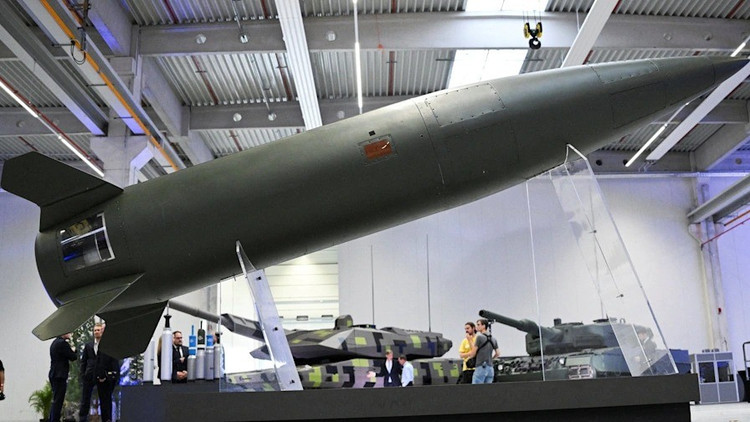
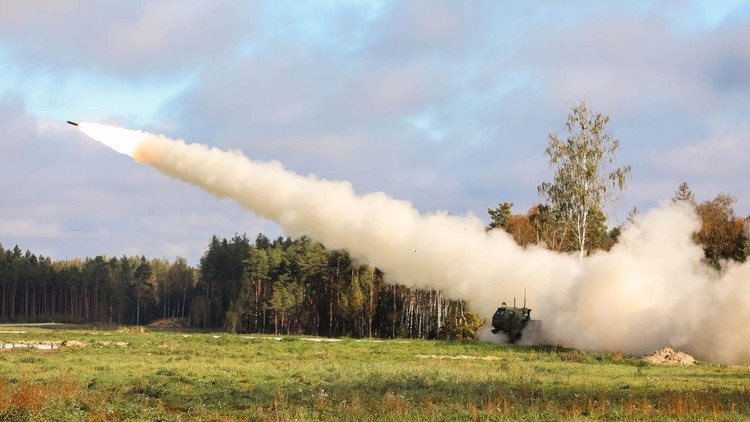
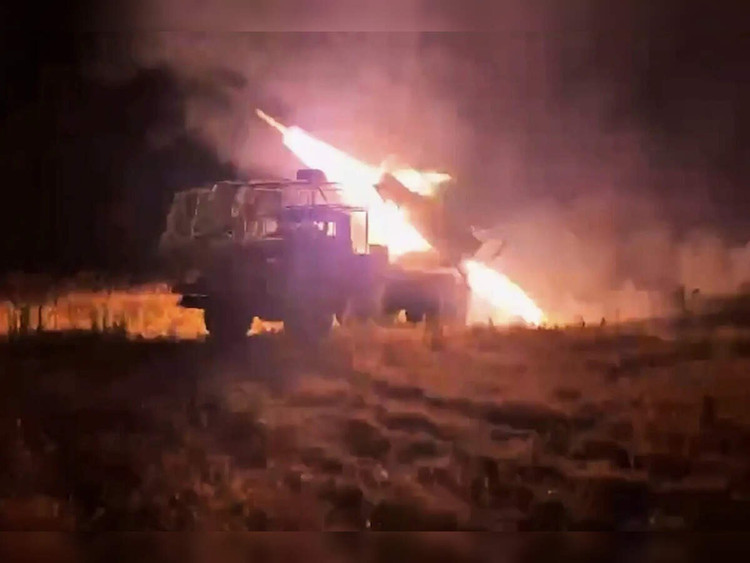
Meanwhile, Ukraine confirmed it had used ATACMS in an offensive operation targeting military targets in Russia, calling it "a significant development." This is a rare instance of Kyiv publicly claiming to have carried out an attack with Western weapons deep inside Russian territory. The ATACMS system has been supplied to Ukraine by the US since 2023, but Washington initially only authorized its use within Ukrainian territory, including areas controlled by Russia. Only when hostilities escalated was Kyiv granted expanded access to the long-range weapon to attack Russian territory. The appearance of ATACMS in the skies over Voronezh indicates a significant expansion of Ukraine's offensive capabilities. With a range exceeding 300 km depending on the version, this missile allows Kyiv to target ammunition depots, command centers, and military airfields behind Russian lines. In response to the attacks, Russia announced it had launched Iskander-M missiles at two Ukrainian multiple rocket launchers, claiming to have completely destroyed the targets. Moscow described this as a "necessary counterattack," sending a message that any attempt by Kyiv to increase pressure on Russian territory would be immediately met with even greater firepower.
This is not the first time Ukraine has used ATACMS to attack areas controlled by Russia. In January of this year, Kyiv launched six ATACMS missiles into the Belgorod region, sparking controversy over the possibility of the fighting spreading to more distant territories. Earlier last year, Ukraine also used the US-made ATACMS and British-supplied Storm Shadow missiles to attack key Russian military targets. These attacks prompted Russian President Vladimir Putin to order a counterattack with long-range weapons, including hypersonic missiles.
As both sides deploy more and more long-range weapons, escalating conflict is inevitable. The missile confrontation between Ukraine and Russia shows that the hostilities are entering a new phase, with the risk of the situation becoming more unpredictable.




















![[GALLERY] Elon Musk shocks with the statement that people may not need to go to work.](https://vphoto.vietnam.vn/thumb/402x226/vietnam/resource/IMAGE/2026/05/24/1779625359765_el-png.webp)







































































Comment (0)