

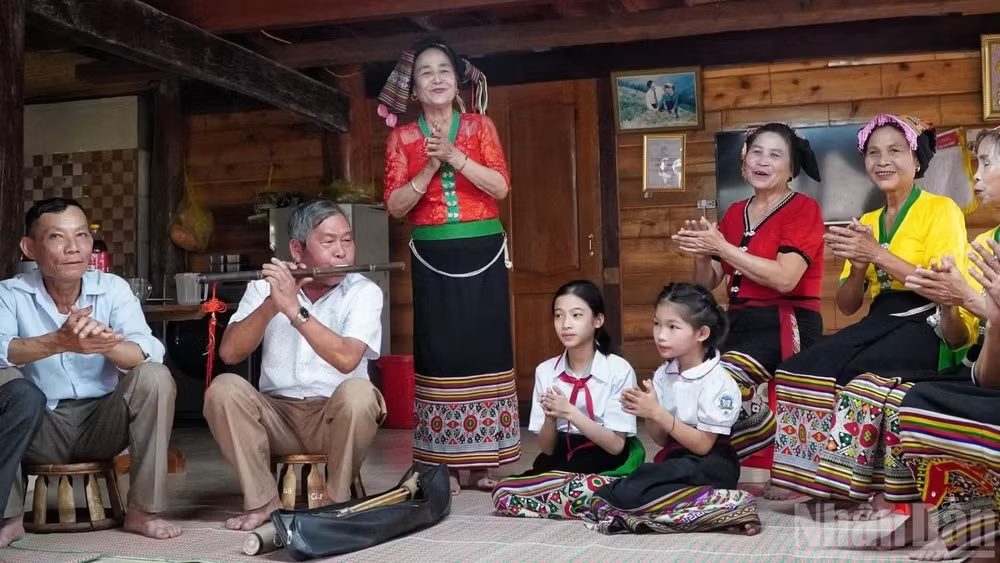
In many ethnic minority regions, village elders and community leaders are considered the encyclopedias of the community, possessing a thorough understanding of customary laws, rituals, and epics. They become a spiritual anchor and mediator of social relationships, contributing to maintaining stability and cohesion within the community. Folk artisans act as "living museums" of culture. They preserve folk melodies, ancient dances, and sophisticated handicraft techniques. These skills and knowledge are being passed on to future generations by these artisans with dedication and enthusiasm.
Numerous socio-cultural studies indicate that in communities where the roles of village elders, community leaders, influential figures, and artisans are well-executed, the level of traditional cultural preservation is generally higher, and community cohesion is also stronger. In fact, in many localities, village elders, community leaders, influential figures, and artisans are the core force in mobilizing people to preserve their ethnic language and writing system; restoring traditional festivals; and developing community tourism linked to cultural preservation.
However, the role of those who "keep the flame" of traditional culture in communities is facing numerous challenges. Urbanization and labor migration have narrowed the space for traditional culture. Many young people leave their villages to work elsewhere, with limited opportunities to access and learn folk knowledge. The strong influence of foreign cultural trends has also changed tastes and lifestyles, even eroding the identity of some young people.
More worryingly, elderly artisans are passing away one after another according to the laws of nature, without having had the chance to pass on all the valuable knowledge they have accumulated throughout their lives. Some forms of intangible cultural heritage face the risk of fading away, or even disappearing, if there is no timely succession. Meanwhile, the system of rewards and recognition for artisans and respected figures in some places is still not truly commensurate, and not enough to encourage them to wholeheartedly dedicate themselves to their work.
Digital technology opens up many new opportunities for cultural preservation and promotion, from digitizing heritage and building databases to promoting it on online platforms. However, technology, no matter how modern, only serves as a tool. While a folk song can be recorded, a ritual can be filmed, the essence of culture—expressed through emotions, context, and community relationships—can only be fully transmitted between people, through the vibrant presence of those who understand and are deeply connected to the heritage.
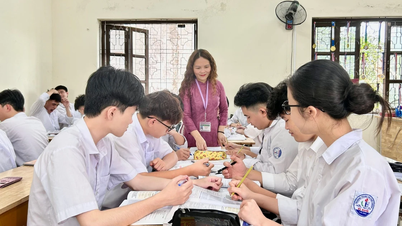
Therefore, promoting the role of village elders, community leaders, artisans, and influential figures should be seen as a long-term strategy in preserving and developing ethnic culture. In recent years, the Party and State have issued many policies to honor and support this group; many localities have organized classes to teach and introduce ethnic culture into schools with the participation of artisans.
However, for policies to be implemented effectively, a flexible, community-centered approach is needed, empowering the "keepers of the flame" to become the main actors in the preservation process. The incentive mechanisms for village elders, community leaders, influential figures, and artisans need to be improved; conditions should be created for their direct participation in education and cultural tourism programs; and community spaces where culture is practiced should be established. The combination of traditional preservation and technological application needs to be harmonious, with people at the center.
Source: https://nhandan.vn/vai-role-of-cultural-transmission-post958640.html





















































































Comment (0)