

Over the past half-century, in addition to asserting its position as a leading economic hub, the city has also created distinctive cultural landmarks, reflecting the unique identity of an open, diverse, and vibrant metropolis.
For many, if they had to choose a core value that defines the "spirit of Ho Chi Minh City," it would be the culture of compassion and solidarity. Over the years, this spirit of mutual support and love has been strongly promoted, especially during difficult times such as natural disasters and epidemics.
Familiar images such as "rice ATMs," "zero-cost supermarkets," "charity kitchens," "free water dispensers," volunteer movements, and blood donation drives have become beautiful symbols of the city. Beyond charitable activities, the culture of compassion is also reflected in the open, generous lifestyle and willingness to help others – a characteristic that many visitors to the city clearly perceive. This very element contributes to the special appeal, making Ho Chi Minh City not only a place to "come to work" but also a place to "come to live and connect."
Simultaneously, the city's cultural and artistic life is incredibly vibrant and rich. For over half a century, the city has strongly developed many diverse art forms: from Cai Luong (Vietnamese traditional opera), spoken drama, and traditional music to contemporary art forms such as film, installation art, and street performances...
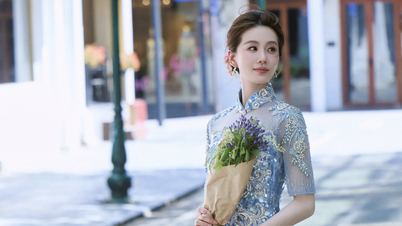
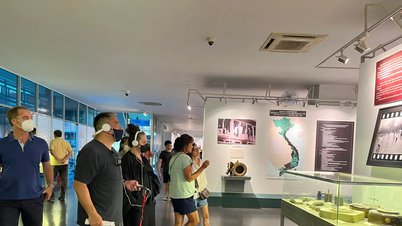
Cultural festivals such as the Ao Dai Festival, the Ho Do Music Festival, the International Film Festival, and annual cultural and tourism events have contributed significantly to promoting the city's image. At the same time, the system of museums, libraries, theaters, etc., has been invested in and developed, creating opportunities for people to access and enjoy culture.
When discussing the most outstanding aspects of the city's literature and art, there is so much to say. For over 50 years, classic plays, films, novels, songs, and numerous artists, playwrights, actors, singers, writers, and musicians from Ho Chi Minh City have become national icons.
Many artists and writers who rose to prominence from youth volunteer movements, or those who grew up in "White Shirt Families," "Green Tamarind Arches," and "20-Year-Old Literary Competitions," have represented an entire generation that has achieved success and shone brightly in the national literary and artistic scene. Similarly, many recent blockbuster films, grossing hundreds of billions of dong, largely originated from Ho Chi Minh City.
The explosion of technology and social media in recent years has also created a "digital cultural space," where cultural values are disseminated more quickly and widely. The city has become a center for content creation, where many new cultural trends are formed and developed. It is culture that has helped the city maintain its rapid pace of development and adapt flexibly to the changes of the times.
Entering a new era of development, Ho Chi Minh City is facing a great opportunity to elevate its urban culture and continue to promote and spread its unique values. The city needs to build a cultural development strategy linked to the creative economy. Investing in cultural industries such as film, music, design, and cultural tourism will create significant added value. However, to achieve this, preserving and promoting traditional cultural values in a modern context becomes an essential choice.
This goes beyond simply preserving historical sites; it also involves integrating traditional cultural values into contemporary life through education, media, and community activities. Parks, libraries, theaters, pedestrian streets, etc., need to be invested in comprehensively, creating opportunities for people to access and participate in cultural life.
And it is essential to promote digital transformation in the cultural sector, building digital platforms to store, promote, and disseminate cultural values. Ultimately, the human element must remain central. Building a civilized, modern, and compassionate city dweller is the most important foundation for the sustainable development of Ho Chi Minh City's culture.
Source: https://www.sggp.org.vn/van-hoa-nghia-tinh-lam-nen-ban-sac-do-thi-post850821.html




































































Comment (0)