

The decision to merge the two provinces of Lao Cai and Yen Bai is not simply a mechanical addition of administrative boundaries, but a strategy aimed at creating a growth pole and a center for international economic trade. Lao Cai province possesses a new development space of over 13,000 km² and nearly 1.8 million people, placing it among the leading provinces in the region and creating a competitive advantage in terms of land resources and human resources.
Initial doubts about the difficulties in post-merger management were quickly dispelled by impressive economic indicators. By the end of 2025, despite negative impacts from natural disasters and market fluctuations, the GRDP growth rate exceeded 8%, ranking second among the nine provinces in the Northern Midlands and Mountains region.
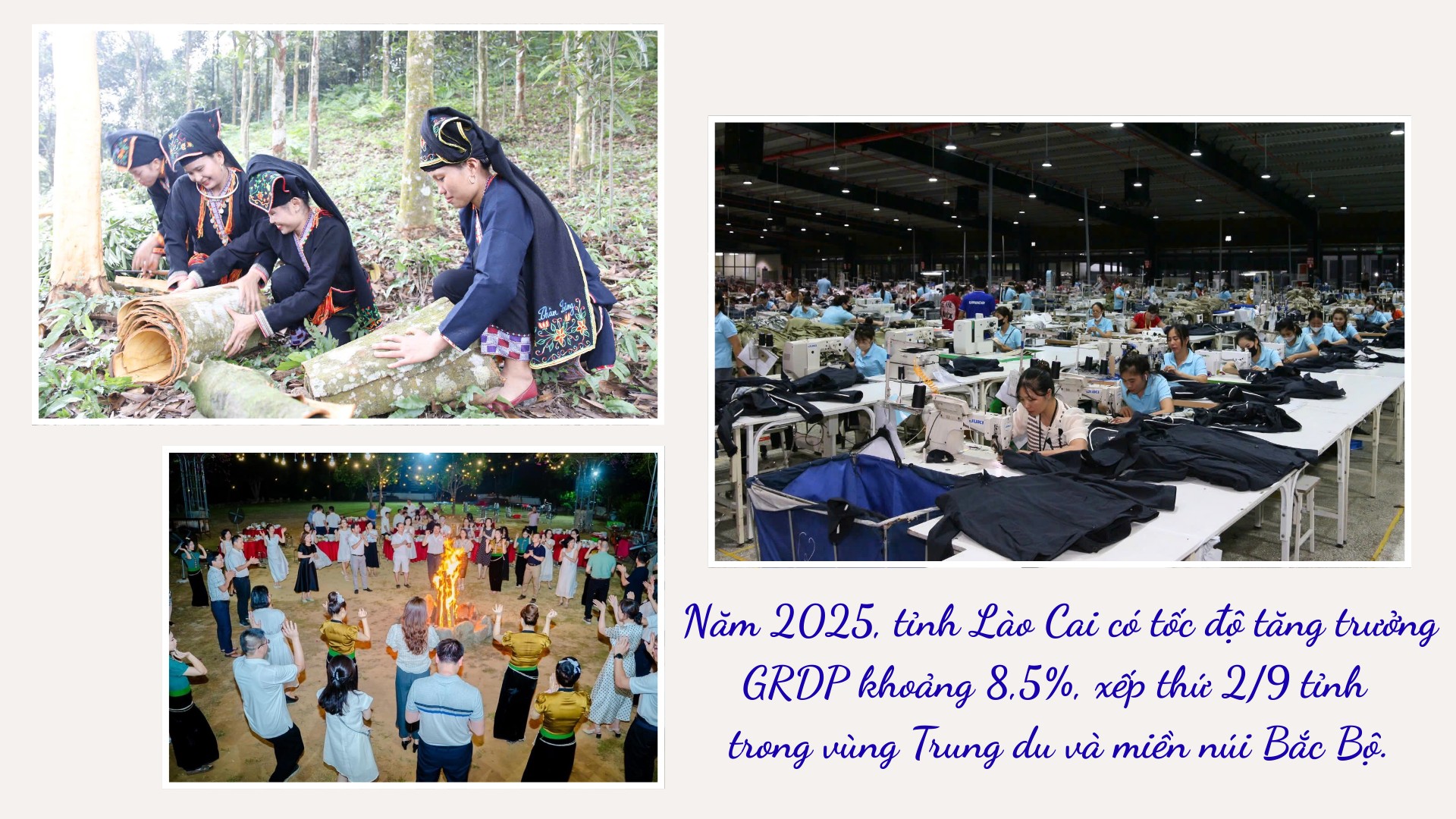
Notably, state budget revenue in the province reached a record high of 21,689 billion VND, far exceeding the central government's projected target; affirming the province's economic growth and internal strength to realize important urban planning projects.
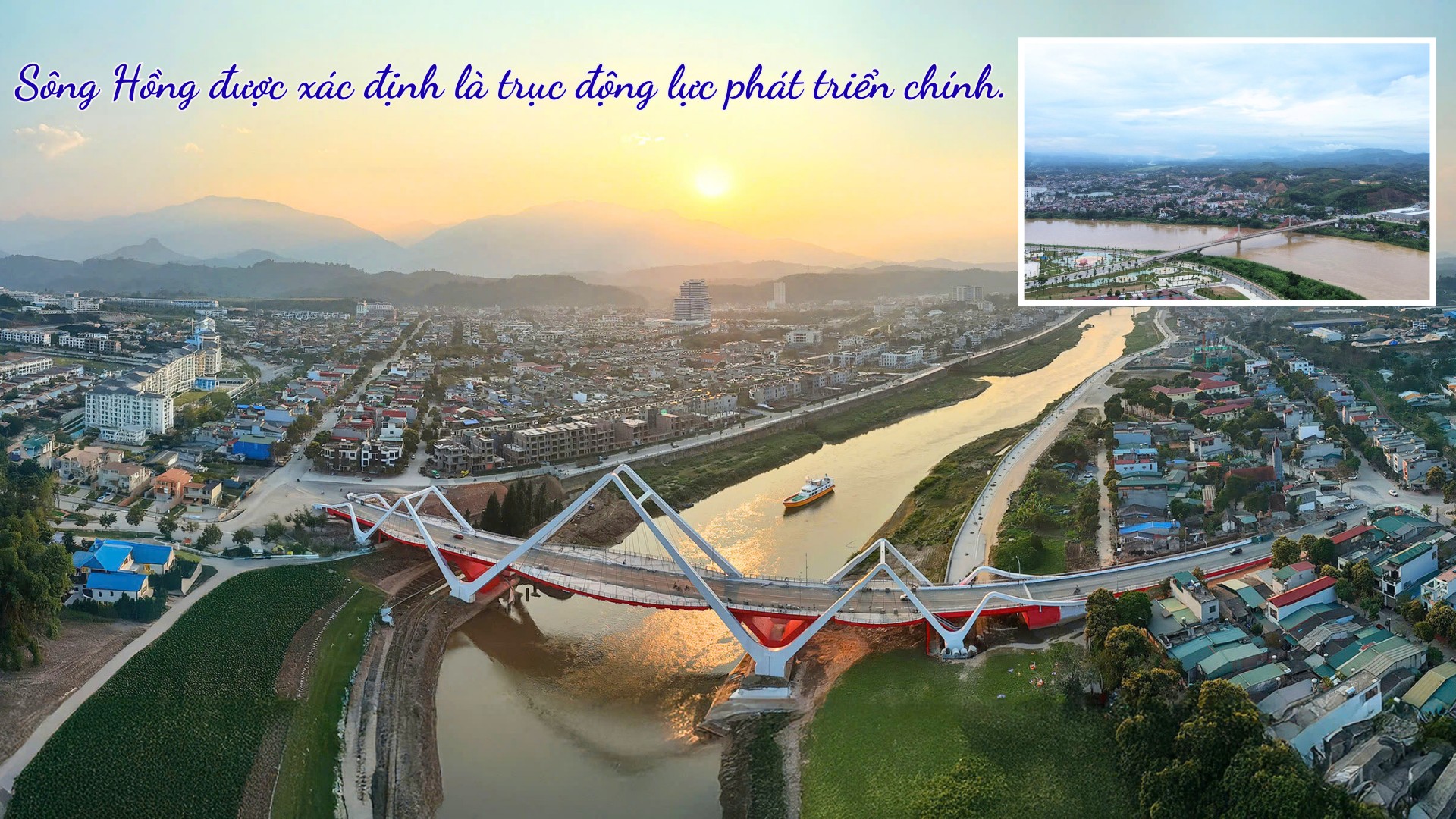
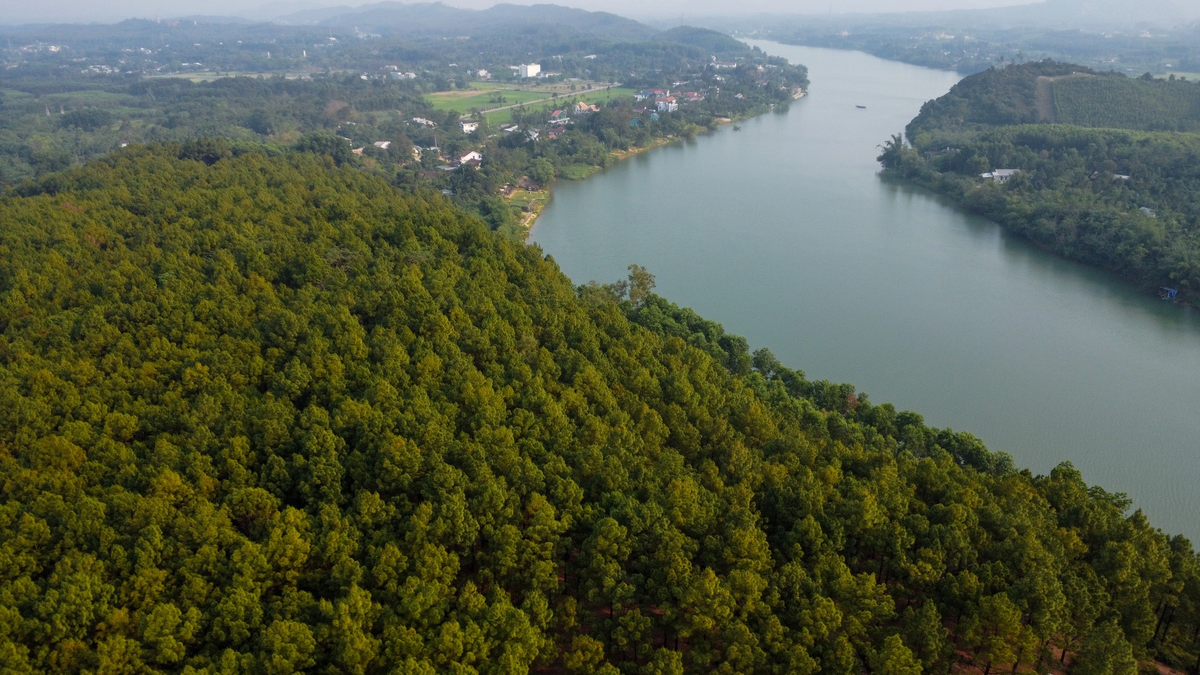
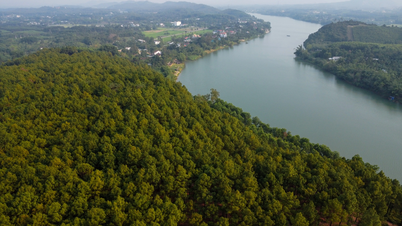
The most significant change in the planning mindset of Lao Cai province after the merger is the identification of the Red River as the main driving force for development. According to the General Planning Project, a bustling economic corridor stretches over 100 km along the river, connecting a chain of urban areas: Bat Xat - Lao Cai city (old) - Pho Lu - Bao Ha - Mau A - Yen Bai city (old).
Previously, urban areas often developed with their backs to the river, but now, the Red River has become the riverfront, the central landscape space. In the southern part of the province (formerly Yen Bai city), a series of modern bridges such as Gioi Phien, Bach Lam, and Tuan Quan have been built. In the northern part (formerly Lao Cai city), the Coc Leu, Pho Moi, and Phu Thinh bridges continue to be upgraded and newly constructed, creating a synchronized transportation infrastructure on both banks.
Beyond road transport, the province's strategic vision for logistics is being realized through the Lao Cai - Hanoi - Hai Phong railway project. This project, which commenced in December 2025, is expected to directly connect the Lach Huyen seaport (Hai Phong) with Yunnan (China). Upon completion, the railway, combined with the Noi Bai - Lao Cai expressway, will transform the chain of cities along the Red River into the largest logistics hub between ASEAN and China.
The new urban landscape is shaped not only by high-rise buildings or bridges, but also by the vitality of key economic sectors. By 2025, tourism in Lao Cai is expected to boom with 10.5 million visitors and revenue of nearly 46,600 billion VND.
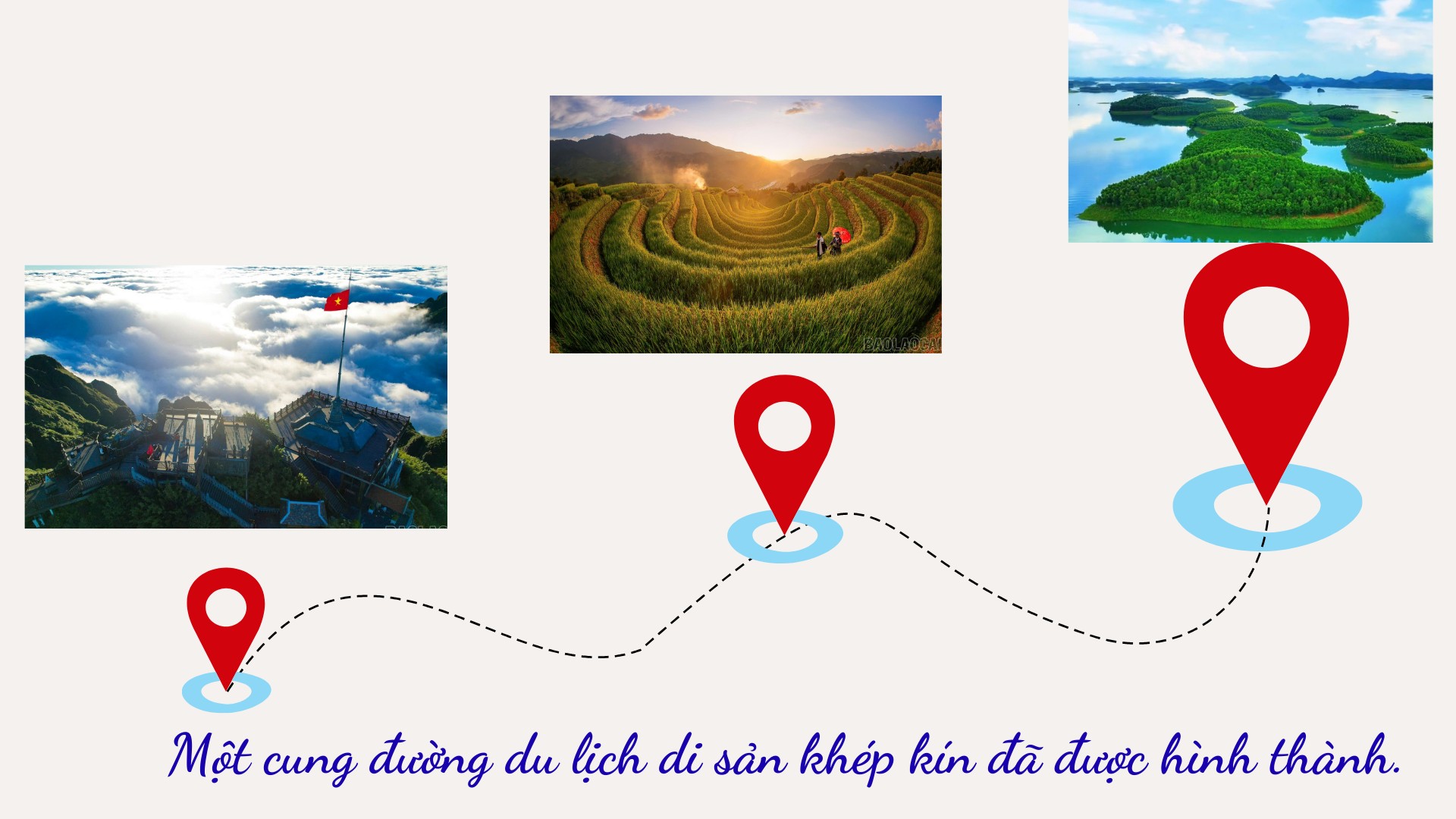
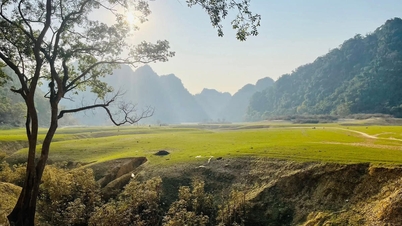
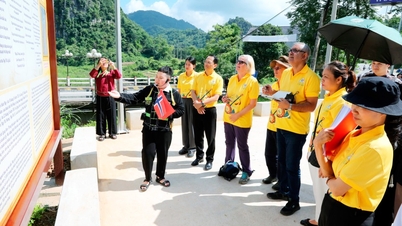
The merger has created a self-contained heritage tourism route: Sa Pa (mountain resort) - Mu Cang Chai (terraced rice heritage) - Thac Ba Lake (surface water ecology). Tourists can now experience a rich and emotional journey of "one destination, multiple experiences".
Alongside tourism, the industrial landscape is also undergoing a strong "greening" process. In key industrial zones such as Tang Loong, the province is resolutely implementing a transformation towards an eco-industrial park model, definitively addressing the lingering environmental issues from the Gypsum waste dump. The industrial sector is shifting positively, reducing the proportion of raw material extraction and increasing the proportion of deep processing associated with the Ben Den rare earth mine or the Sin Quyen copper mine.
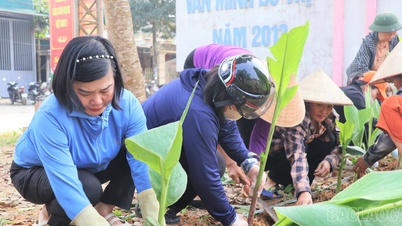
A modern city cannot be separated from its people. While focusing resources on infrastructure development, the Lao Cai provincial government always pays attention to social welfare, especially in impoverished core areas and regions affected by natural disasters.
The year 2025 witnessed the devastation caused by typhoons No. 9, 10, and 11. However, with the decisive leadership of the provincial authorities, the concerted efforts of the community, and the support of localities nationwide, the recovery work was carried out at a rapid pace. People's lives quickly stabilized, and essential infrastructure was repaired to serve socio-economic development.
The results of these efforts are reflected in the rapid and sustainable reduction in the poverty rate, which now stands at only 5.5%. The New Rural Development Program has become more substantive, with 37 communes achieving the standard and 533 model villages and hamlets. This provides a solid foundation to ensure that the development of bustling riverside urban areas does not leave behind the highland villages and hamlets.
The Happiness Index – a legacy of the former Yen Bai province – continues to be maintained and spread, becoming the overarching development philosophy of the new Lao Cai province: "green, harmonious, distinctive, and happy."
Looking at the planning map and the results achieved in 2025, it can be affirmed that the urban landscape of Lao Cai is improving day by day. From a border province facing many difficulties, Lao Cai, after the merger, has transformed itself into an economic entity with strong internal potential.
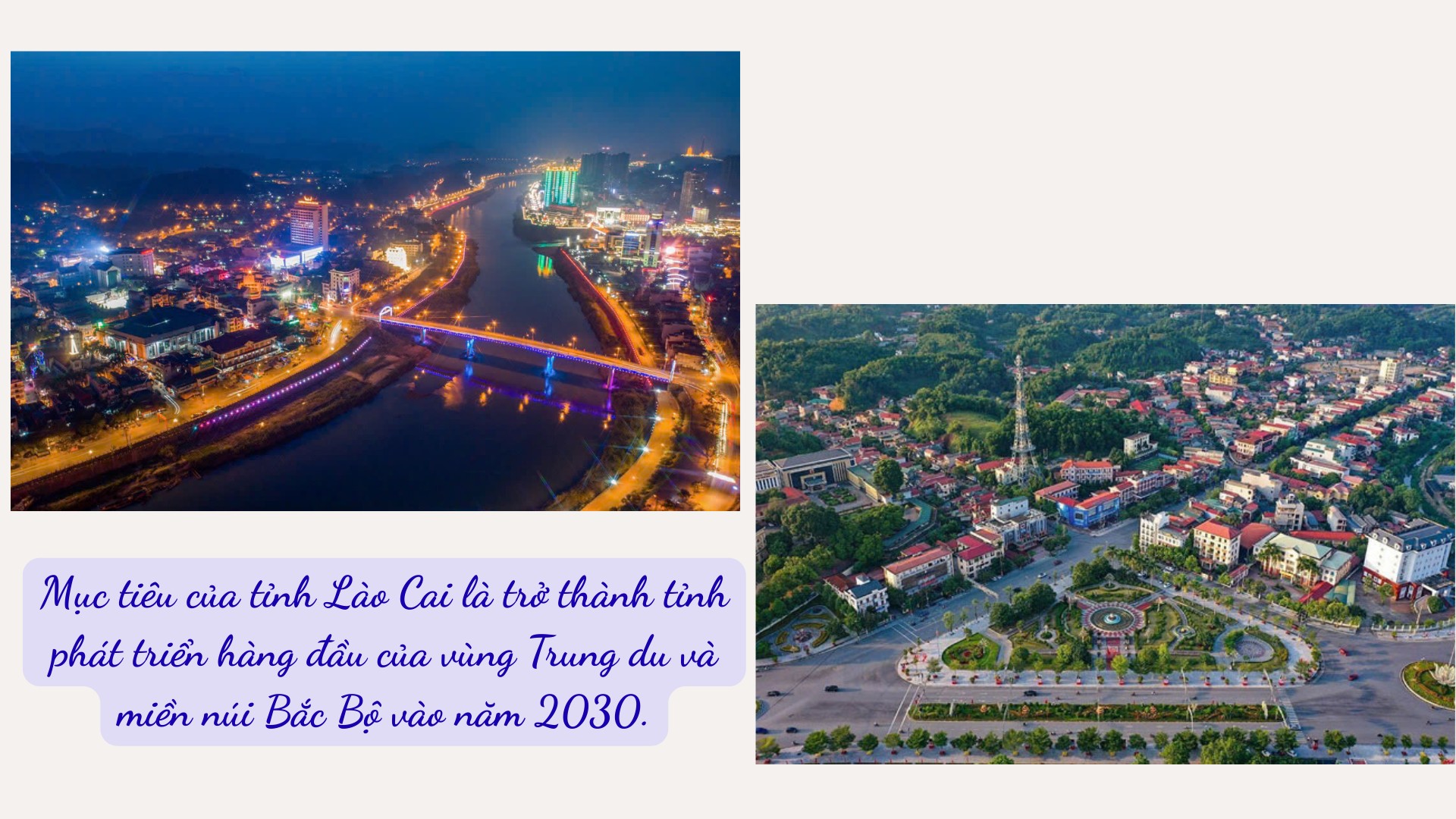
The Red River urban axis is gradually emerging not only as a scenic axis but also as an international trade axis. During this term, with the goal of double-digit growth and synchronized infrastructure connecting roads, railways, and air transport, Lao Cai is steadily progressing towards its goal of becoming a leading developed province in the Northern Midlands and Mountains region by 2030, with a vision to 2050.
The story of Lao Cai's consolidation and development is not just about expanding its territory, but a testament to groundbreaking thinking: daring to change to create a new position, ready for a journey to reach the wider world.
Source: https://baolaocai.vn/van-hoi-moi-ben-dong-song-hong-post893831.html



















































Comment (0)