

In his book *The Secret History of Gold: Myths, Currency, Politics , and Power* , Dominic Frisby—a British financial writer and commentator, and longtime contributor of a gold column to MoneyWeek—called gold a "silent witness" to human history.
According to him, from wars and trade to currency, this metal has almost always appeared at major turning points in civilization. From the tombs of Egyptian pharaohs and colonial conquests to modern central banking systems, gold has consistently been associated with the concepts of wealth and power. He argues that it is precisely its ability to retain value over time that has kept people constantly accumulating and pursuing this metal.
 |
The book "The Secret History of Gold: Myths, Currency, Politics, and Power. " Photo: OP |
Why has gold been the measure of wealth throughout history?
Right from the opening chapter, " The Eternal Metal ," Dominic Frisby explains why gold is different from many other metals. Unlike iron, which rusts, silver, or wood, which decays over time, gold remains virtually unchanged. Viking gold buried underground for 1,500 years, or jewelry found in the Varna cemetery in Bulgaria after 6,700 years, are still almost in their original state.
The author of the book calls gold "the closest thing to immortality we have on this earth." The Egyptians viewed gold as the body of the gods; Greek mythology associated gold with immortality; and many South American civilizations considered gold to be the link between humanity and the universe.
According to Dominic Frisby, the greatest purpose of gold is to maintain its value and to showcase prosperity. For centuries, gold has served as the foundation of monetary systems. Although the world has long since moved away from the gold standard, countries and individuals continue to hold gold as a safe haven for wealth. The US still maintains the majority of its foreign exchange reserves in gold (8,133 tons, ranking first in the world), while China is both the world's largest producer and importer of gold.
The Secret History of Gold: Myth, Currency, Politics, and Power devotes much of its space to discussing gold's enduring purchasing power. Frisby cites numerous historical comparisons: one ounce of gold once bought 350 loaves of bread in ancient Babylon and today can still buy more than 1,000; a gold dinar from the Quran once bought one sheep, while today it can buy three.
The book's debates surrounding gold are also juxtaposed with many opposing viewpoints. Warren Buffett once sarcastically remarked that gold is something dug up and then buried again, while economist John Maynard Keynes called the gold standard a "relic of barbarism." Alongside these are the views of George Bernard Shaw and Herbert Hoover on the role of gold in securing confidence in currency and society.
In addition, the book intertwines stories about trade, war, financial crises, and changes in the monetary system to show that gold has always been present in major historical upheavals.
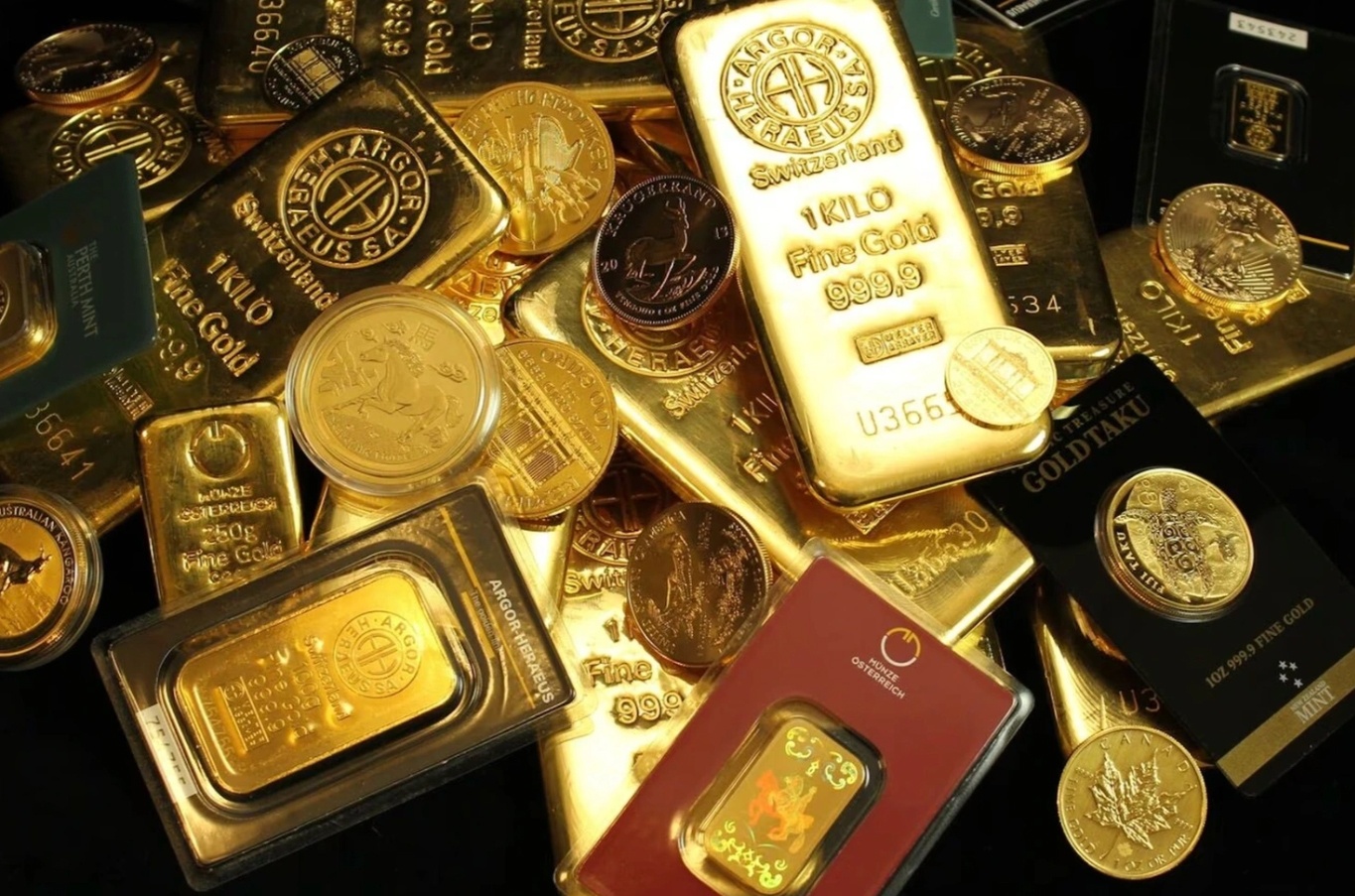 |
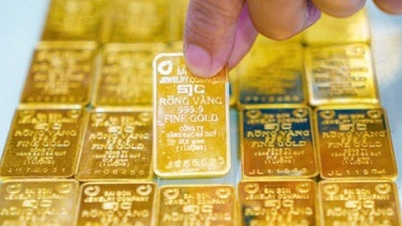
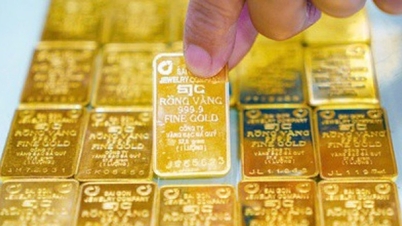
Gold still holds a special place in modern life. Photo: Mint. |
The dark side behind humanity's thirst for gold.
In *The Secret History of Gold: Myths, Currency, Politics, and Power* , gold appears to be more than just currency. According to Dominic Frisby, gold fueled exploration, trade, and the formation of new civilizations, but it also led to wars, plunder, and human ambition. He writes that gold enabled humans to do "the most brilliant, the bravest, the most creative… and also the most terrible things."
The allure of gold once drew people across oceans, into unknown lands, and fueled gold rushes throughout history. But it also brought slavery, war, deception, and destruction. Describing the gold mines of ancient Egypt, historian Diodorus Siculus wrote that laborers were forced to work “until death, in a state of exhaustion from toil.”
The book also discusses how gold became the driving force behind many historical conquests. From South America to Africa, the search for gold led to invasions, colonial exploitation, and centuries-long conflicts. According to Frisby, these gold hunts also reflected the greed and violence of humanity.
Dominic Frisby argues that gold not only dominates the economy but also strongly influences human psychology. "With gold, emotion, not reason, is what drives it," he wrote, referring to the speculation and fascination this metal has created over the centuries.
In human life, gold has long been more than just a commodity or investment tool; it has also become a form of savings, a wedding gift, and a source of security against unforeseen circumstances.
After thousands of years of history, gold remains present in the vaults of central banks, during financial crises, and in people's hoarding mentality. For Dominic Frisby, that's why gold still holds a special place in modern life.
Source: https://znews.vn/vi-sao-con-nguoi-chua-bao-gio-ngung-khat-vang-post1653757.html























































































Comment (0)