

My child read this somewhere and asked me, "So I don't need to study; I can still become a journalist like you when I grow up, right?"
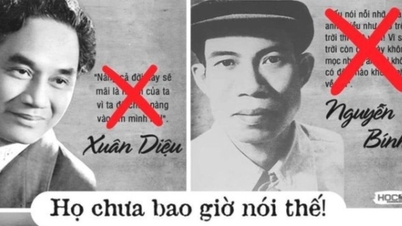
This isn't the first time I've heard this saying; I don't know where it originated, but I'm sure journalists find it disheartening. I pondered, "This arduous and noble profession is still occasionally ridiculed and mocked by society…" But thinking back, these veiled statements and prejudices about journalism, like "writers lie, journalists exaggerate," also stem from the recent proliferation of tabloid newspapers. Some journalists are abusing their authority to inflate events, make subjective and emotional interpretations, and manipulate public opinion to suit their own agendas. Nowadays, with the rapid development of digital technology , journalism is facing difficulties and challenges, but also many opportunities. However, due to information competition, especially from social media, some journalists write quickly, hastily, adding or removing words, even "adding" embellishments to make their stories sound more appealing, and often without verification. In the age of Industry 4.0, one of the main "enemies" of journalism originates from within the media itself. This is the proliferation of sensational, inaccurate, fake, and harmful information on social media, making it difficult for readers to distinguish between genuine and fake news. Furthermore, in some media outlets, journalists disregard ethical standards and ignore aesthetic and cultural norms to exploit sensationalist and attention-grabbing topics. These short-sighted articles have fostered prejudice against the profession and led young people to believe that a career in journalism is easy and "paved with roses."

Currently, journalists still face many challenges in their lives and professions. Some journalists have abused their "power" to extort money from businesses, deliberately writing false information to intimidate or profit, leading to a situation where articles are published in the morning, discussed at noon, and retracted in the afternoon. There have been instances of some newspapers publishing excessive information, revealing national secrets; disseminating inaccurate information that negatively impacts the country's image in the eyes of the international community. Sadly, some journalists, in their eagerness to follow events, have acted hastily and subjectively, crossing the boundaries permitted by law. These are regrettable professional mishaps that need to be seriously addressed and learned from. These articles and journalists have damaged the reputation and integrity of genuine journalists and responsible writers.
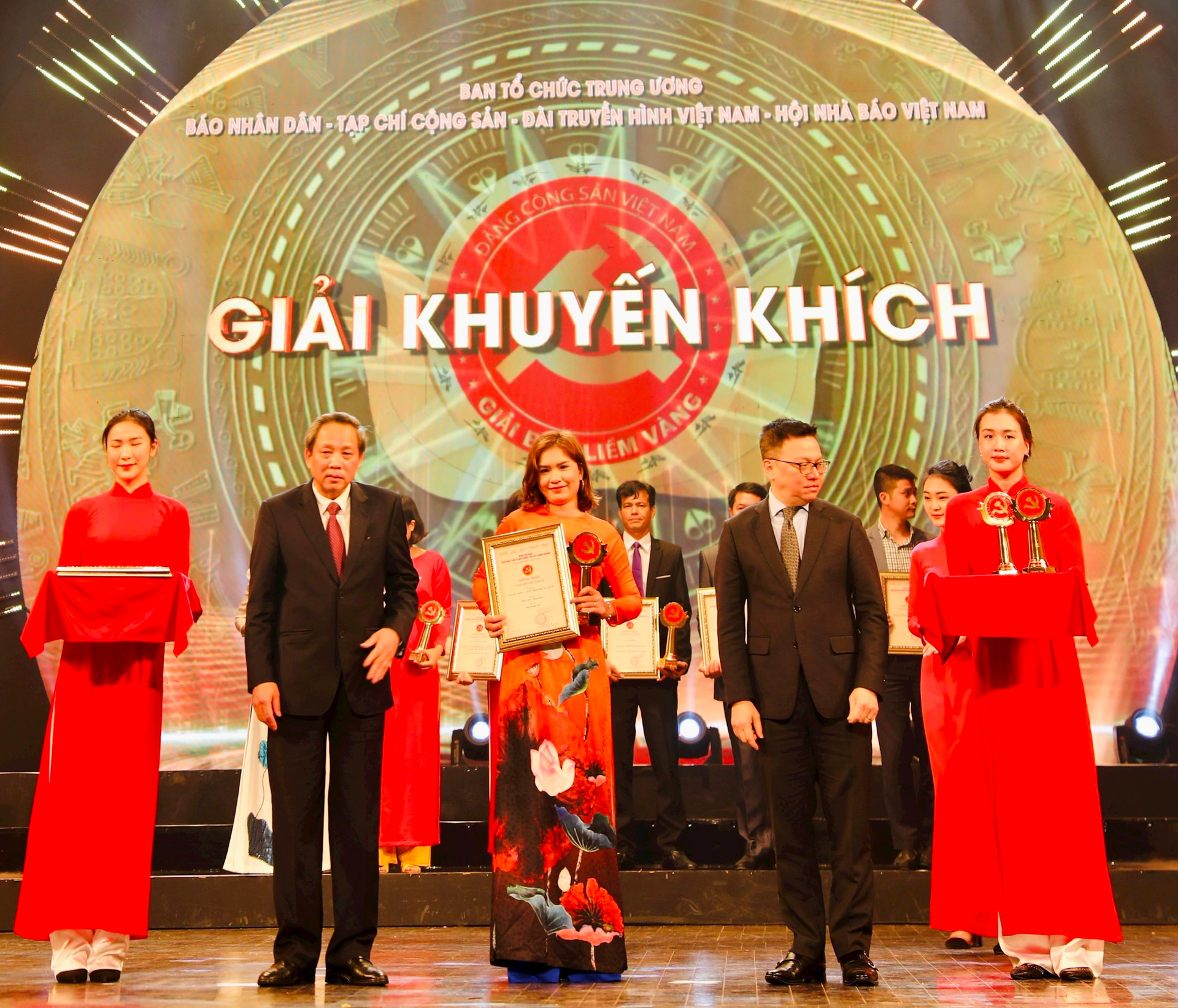
Veteran journalists used to remind us that journalism isn't just about exposing the "dark side," revealing corruption and negative practices. A crucial responsibility of the press is to discover and commend exemplary individuals, allowing the good to outweigh the bad. Among the hundreds of heroes and outstanding workers honored by the State, countless examples have been discovered and celebrated by the press. Some people don't need titles or positions, but their intellect and integrity deserve the respect and honor of society… Through these revealing articles, beauty quickly spreads, adding bright colors to life. Without grand pronouncements, the genuine examples of "good people, good deeds" reflected in the press have strengthened faith in society and in life itself.
Perhaps the greatest benefit for journalists is the opportunity to travel widely, learn a lot, interact with many people, and build a broad network of relationships, thereby enhancing their understanding of society. Although the work is arduous, difficult, and fraught with danger, journalists feel happy and honored because they always receive the attention and encouragement of readers, colleagues, and leaders at all levels and sectors. After each year of diligent work, journalists produce high-quality works that are considered for awards in competitions launched by the central government, provinces, and various sectors… This is a great honor, a recognition of the genuine labor of the profession through journalistic works. Even greater happiness for each reporter and journalist is the impact of their journalistic works, which are appreciated and received by the public and have a profound effect on social life.
"Live more deeply and passionately" is the sincere and enduring advice that the late Prime Minister Pham Van Dong gave to journalists. For him, that depth meant a wealth of knowledge, experience, reflection, and the distillation of profound life lessons…
Source





![[Image] Hanoi Police officially crowned champions of V-League 2025/2026](https://vphoto.vietnam.vn/thumb/1200x675/vietnam/resource/IMAGE/2026/05/31/1780244769054_ndo_br_039d561b692be875b13a-jpg.webp)



















![[Photo] The General Secretary, President and his wife begin their state visit to the Philippines.](https://vphoto.vietnam.vn/thumb/1200x675/vietnam/resource/IMAGE/2026/05/31/1780230559452_anh-man-hinh-2026-05-31-luc-19-28-11.png)





























































Comment (0)