In an interview with Tri Thuc - Znews , Dr. Peter Chow, CEO of IHH Healthcare Singapore - a leading healthcare group in Southeast Asia - emphasized that the Vietnamese healthcare market has enormous potential.
Drawing from Singapore's real-life story, he shared practical experiences to help Vietnam's healthcare system gradually transform – from persistently building trust across generations to ensuring both public and private hospitals have a platform to thrive and grow together.
The Vietnamese healthcare market has great potential.
- What impressed you most about Vietnam's healthcare system?
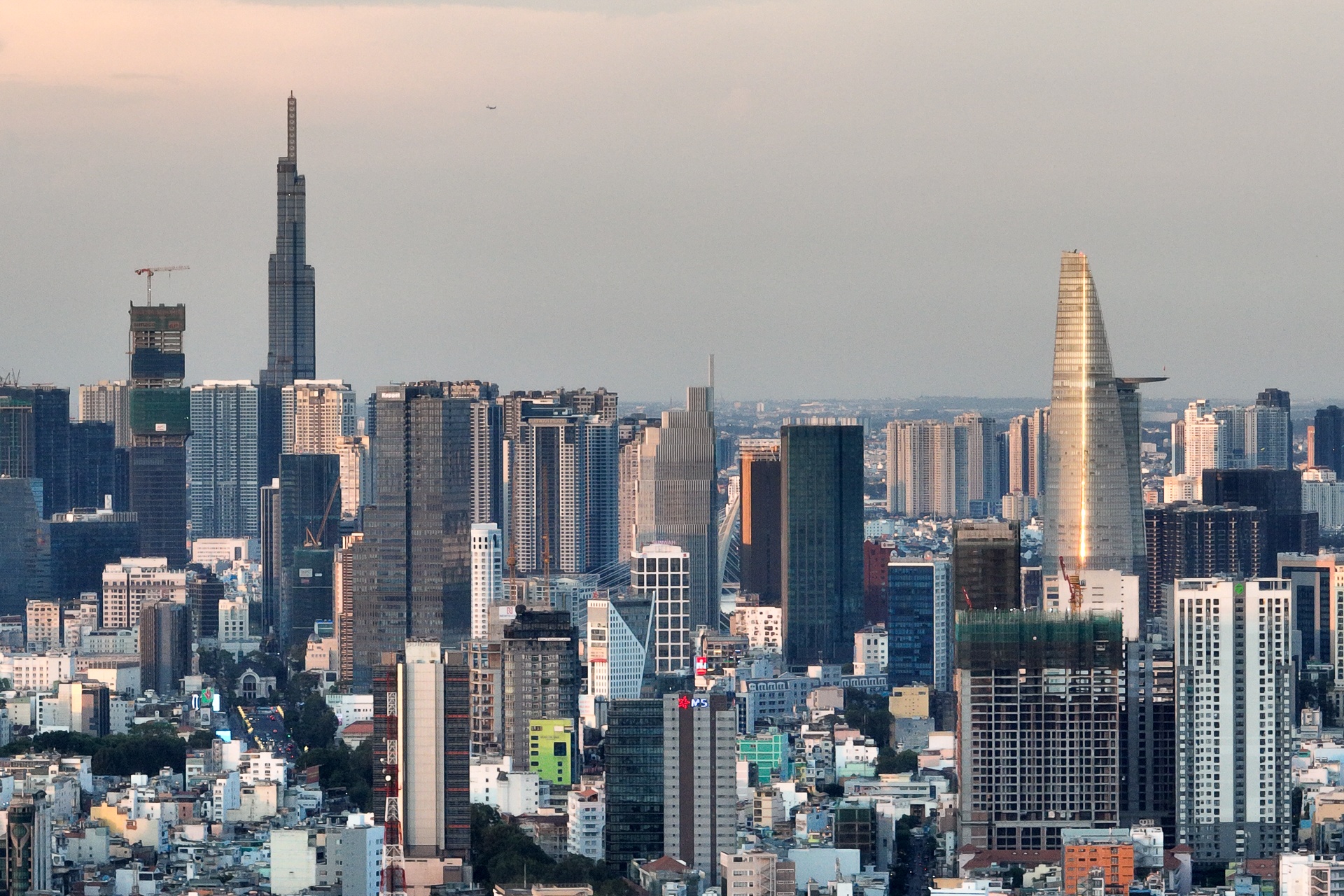
- I've visited quite a few hospitals and primary healthcare facilities in Vietnam. Overall, everything left a very good impression. The first thing I noticed was how incredibly dynamic the Vietnamese people are. The country's economic potential is enormous, meaning that in the near future, people's incomes and living standards will increase rapidly. Looking at that vitality, I believe Vietnam will go far and become even stronger.
The connection between this story and healthcare is actually quite simple: Healthcare only truly develops when a country progresses. When people have money, they have the means and the need to invest in their health. Therefore, the future of Vietnam's healthcare sector is certainly very bright. As society becomes wealthier and ages, people will demand higher quality services and be willing to spend more to live healthy and long lives.
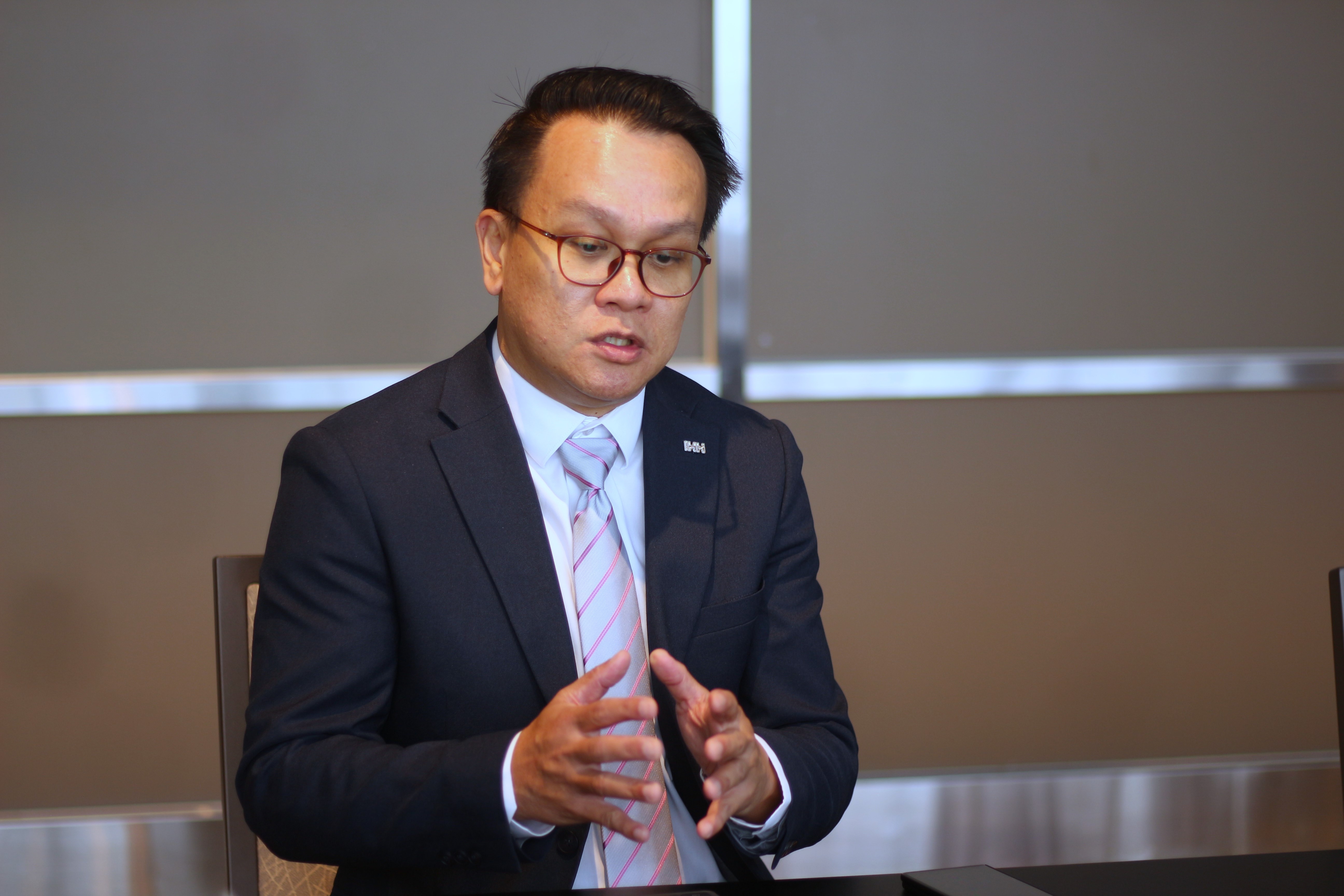 |
Dr. Peter Chow, CEO of IHH Healthcare Singapore - the largest healthcare group in Southeast Asia. |
- What do you see as the most urgent healthcare issues that need to be addressed in Vietnam today?
- If I say something needs changing, it sounds like I'm criticizing. But in reality, I don't think that way at all.
On the contrary, at the corporate level, from the CEO to the entire team, everyone is very excited about new markets where we are not yet present – and Vietnam is a prime example. Our task now is simply to calculate the right time and choose the appropriate model to officially enter the market.
- So, does that mean Vietnam is currently IHH Healthcare's top priority among emerging markets?
- India is an incredibly huge market; in many ways, it's like many countries combined. We have always highly valued India's strong growth potential in the coming years.
With China, frankly, it's too vast, and we've only just set foot in Shanghai. So, even without considering entirely new markets, the expansion story in India and China alone is enormous in scale.
Specifically in Southeast Asia, we are not hiding our ambitions and have been quite open about sharing our two major targets: Indonesia and Vietnam. Both are countries with large populations and very dynamic economies. We are confident that in the next few years, the potential for economic growth in both countries is enormous.
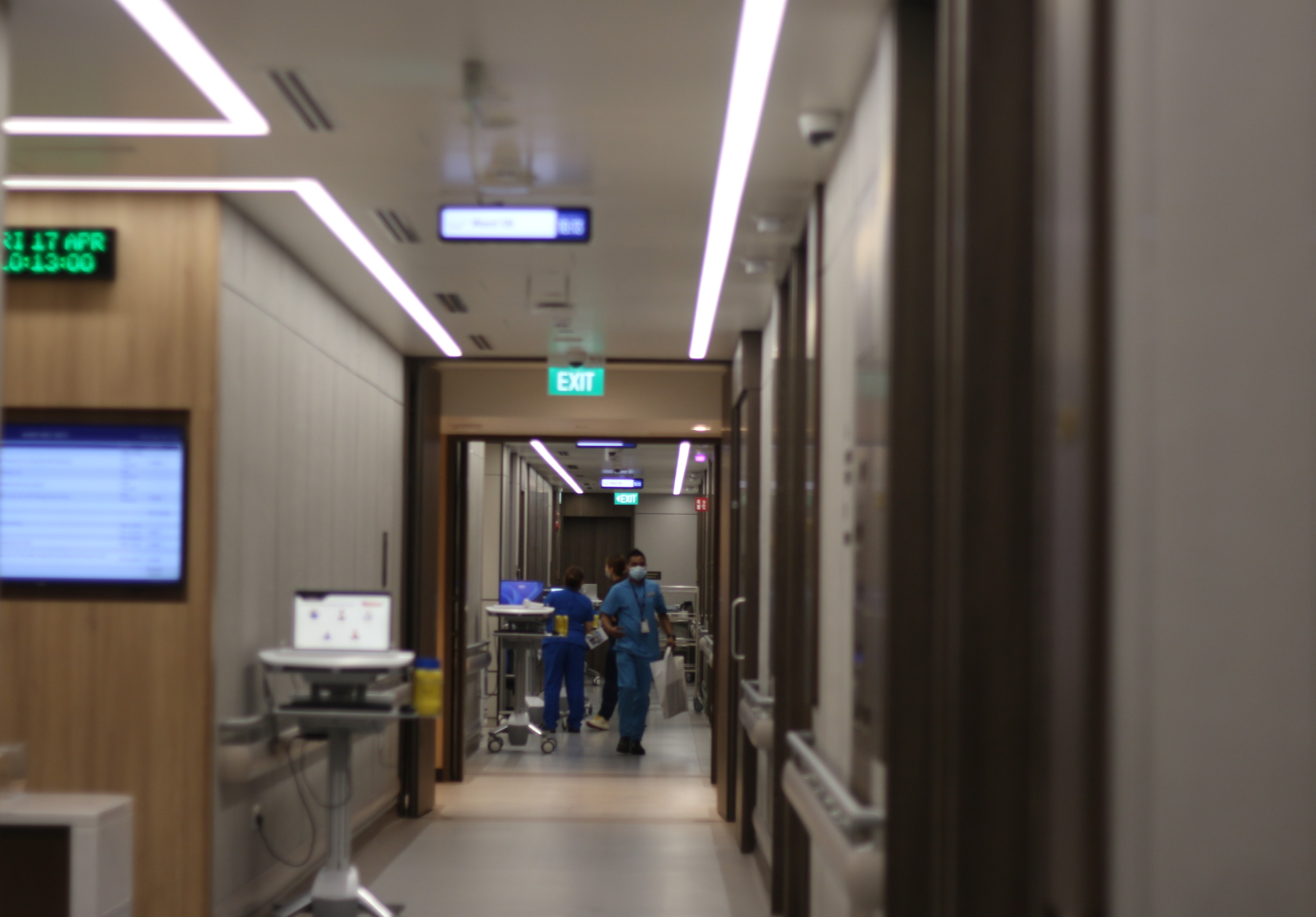 |
Medical staff working at Mount Elizabeth Hospital. |
Regional healthcare competition race
- As a leading medical tourism hub in Asia, besides the quality of treatment, what other "weapons" does Singapore possess to attract international patients?
- I think Singapore has two very unique advantages. First, the geographical advantage of being a small country. It only takes 15 minutes from the airport to the city center, and the distance between our two Mount Elizabeth hospitals is only about 3 km. Thanks to the small area, the best doctors are concentrated very close together. Patients can get scans, consultations, or move between hospitals extremely quickly – something that is very difficult to achieve in larger countries.


The second fortunate aspect is that foreigners come here not just for medical treatment; they see Singapore as an integrated destination: from attending concerts and relaxing to participating in conferences, thanks to its highly developed MICE (Meetings, Incentives, Conferences, and Exhibitions) industry. When a destination caters to multiple needs simultaneously, the various service sectors automatically complement and enhance each other's value. This success is clearly not solely due to our excellent healthcare system, but also because all other sectors in Singapore have performed exceptionally well.
It's true that the cost of living here is very high. But thanks to our comprehensive advantages, we still maintain our unique appeal despite the fact that people can easily find more economical options, such as in Vietnam.
The convergence of all these elements creates a true medical tourism "ecosystem," transcending the scope of a single hospital.
- Currently, not only Vietnam but also Thailand and China are racing to improve their healthcare capabilities to attract international patients. With Singapore no longer the only option in the region, how do you view this competitive pressure?
Competition is certainly increasing. But first, let's look at the bigger picture: Southeast Asia, with over 600 million people, is entering an aging trend. While Singapore is already a super-aging society, Vietnam, Indonesia, and Malaysia are also aging at varying rates. Those over 65 have the highest healthcare needs, so demand across the region will only increase, not decrease.
 |
Dr. Chow assessed that the growth rate and significant potential of Vietnam's healthcare sector are creating strong appeal. |
Look at Singapore; we are gradually moving towards a "Blue Zone" society with an average life expectancy reaching 84-86 years. Having more than 30 years of life means that many more years are associated with healthcare needs. That's why countries, including Vietnam, are rushing to build more hospitals. This need is absolutely real.
Regarding the competition, the essence is simple: People only go abroad when domestic needs are not met. For example, consider proton therapy (an advanced radiotherapy that destroys cancer cells while protecting healthy tissue). In Southeast Asia, and even in Australia, except for one hospital in Thailand, no other country possesses this technology besides Singapore. Patients are forced to seek it out if they want access to this cutting-edge technique. Singapore chooses to focus on such specialized and high-tech needs.
Let's not forget that Southeast Asia is not only aging, but also getting richer. The rapidly growing middle class has made seeking medical treatment abroad commonplace. While the number of hospitals vying for market share is increasing, the market pie is also expanding.
Furthermore, technological advancements are stimulating demand. Nowadays, cancer patients not only want to "live," they demand more: How to minimize damage and maintain the best possible quality of life after treatment? Advanced solutions like Proton Therapy are the answer. This new wave of demand is why I am completely confident in our long-term growth potential.
Lessons from the Singapore healthcare model
- Singapore is considered a model of effective public-private partnership in healthcare. From an insider's perspective, what do you think are the core elements that contribute to this collaboration and success?
- It all revolves around the keyword: The right to choose.
Singapore's public healthcare system has long been highly regarded by the World Health Organization (WHO) for its quality and ability to meet the needs of the general public. However, the public sector's role is to focus on cost-effectiveness for the majority, meaning it cannot cater to individual preferences. Meanwhile, each person values different aspects when seeking medical care.
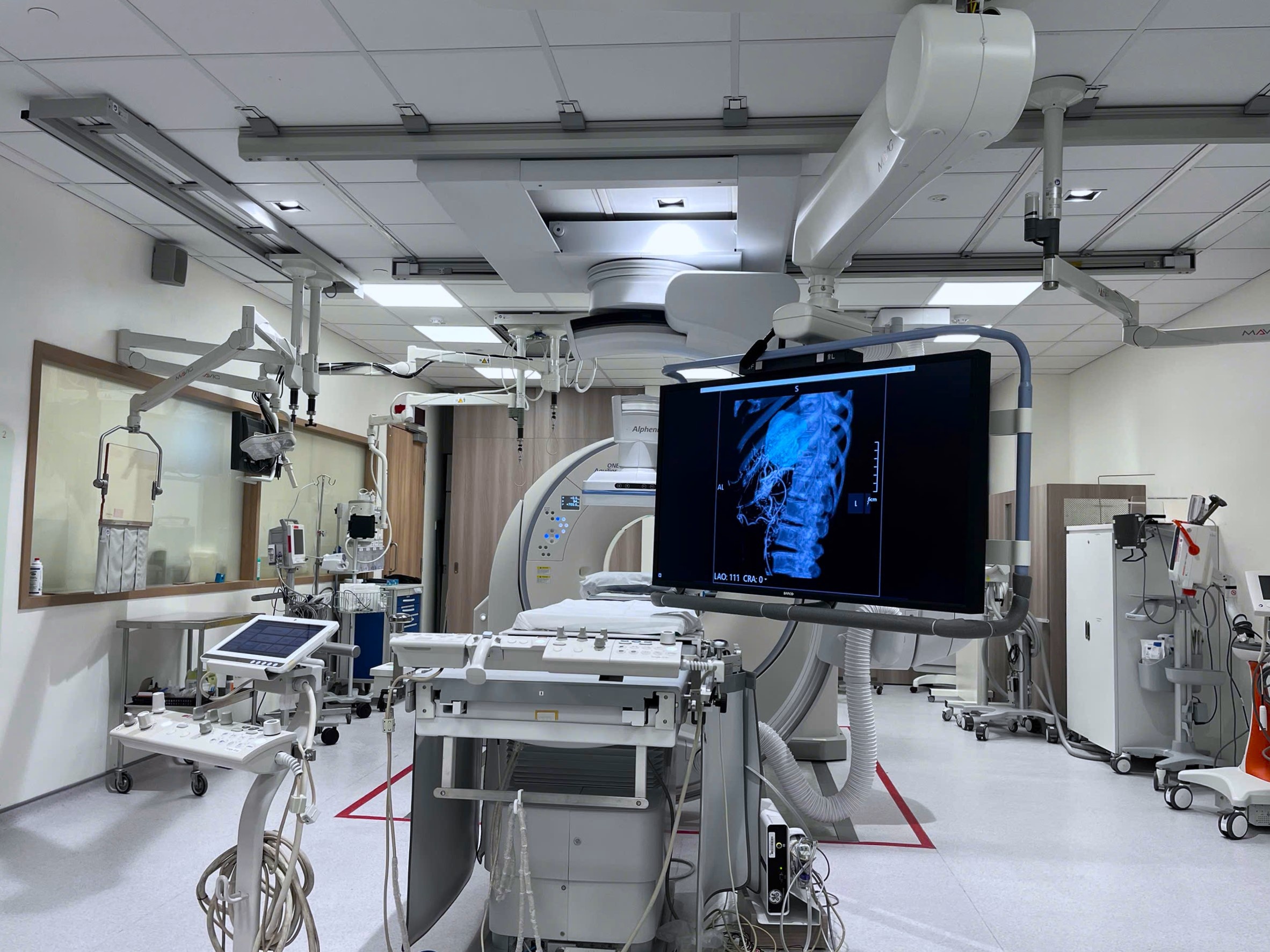 |
The Hybrid Angio-CT system (integrated interventional angiography and computed tomography) is worth millions of dollars at a hospital belonging to IHH Healthcare Singapore. |
Some people simply need affordability, while others prioritize absolute privacy, worry about cross-contamination, or want a comfortable space for a good night's sleep. Or, as is the case in Vietnam, those with good financial means don't want a standard room but prefer a space three or four times larger so they can bring their whole family along to care for them. The private sector exists precisely to meet these individualized needs.
This synergistic relationship is most evident in primary healthcare. Many people think of healthcare as limited to hospitals, but in Singapore, up to 80% of family doctor clinics are privately owned.
Ultimately, healthcare is a relationship of trust – people always want to return to the same doctor who truly understands them. In the public system (which accounts for the remaining 20%), patients pay less but must accept long wait times and different doctors each time they visit. Many families are willing to pay more at private clinics to be cared for by a familiar doctor for many years, much like you only trust one familiar mechanic with your car.
In summary, given Singapore's thriving public sector, private healthcare serves as a perfect fit. It offers flexibility, voluntariness, and freedom of choice for patients, rather than being a forced solution due to supply shortages.


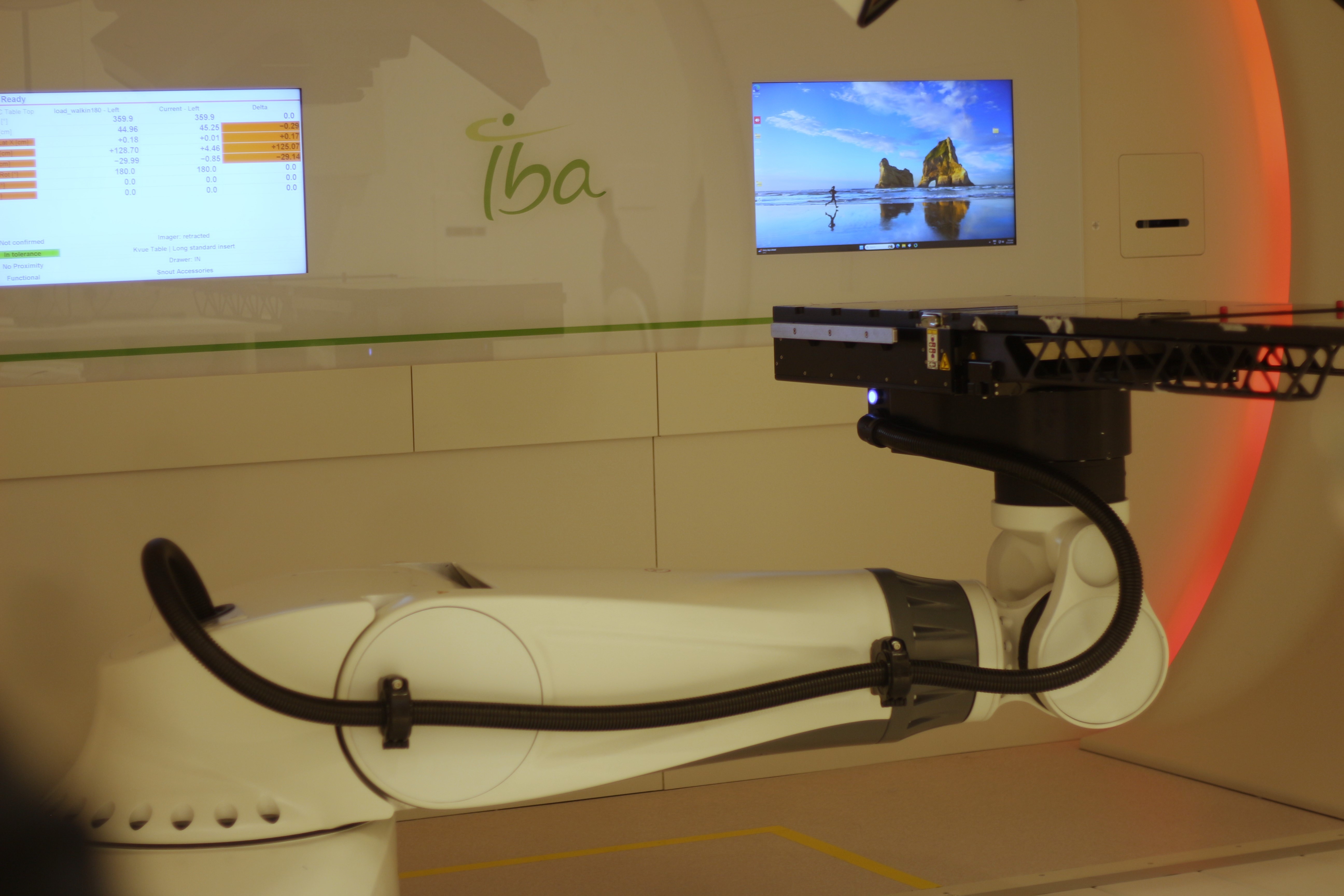 |
Proton therapy is currently one of the most advanced and expensive radiotherapy technologies in the world. Singapore and Thailand are two leading countries in the region that possess this technology. |
- Looking back at the journey of the IHH Group from a single institute to a leading private healthcare "empire," what lessons can Vietnamese healthcare managers learn from it?
- IHH currently owns over 80 hospitals in 10 countries, mostly developed through acquisitions. In fact, investing in building new hospitals or acquiring existing ones isn't too difficult. The Vietnamese market is currently witnessing a very active wave of mergers and acquisitions (M&A) and investment attraction in healthcare.
But that's just the beginning. Once the facilities are complete and operational, you'll face a more challenging problem: How do you standardize the quality of care across the entire system?
Let me give you an example: VinFast cars are currently very good. But why do many people still decide to buy BMWs or Toyotas? Because they believe in the power of the brand. A brand is a guarantee of a certain standard that consumers can expect. When developing a healthcare system, the most important thing is to create a consistent standard of care to provide absolute peace of mind for patients, no matter which branch they enter.
The second lesson is: Building a building can be done very quickly, but building a culture of quality and trust takes time, measured in generations. The reason many international patients still choose to come to Singapore – even though their own countries have equivalent treatment techniques – is because they have placed their complete trust in us over the years.
Long-standing trust is very difficult to build, and that is the foundation that hospitals must persistently cultivate if they want to win over patients.
Source: https://znews.vn/viet-nam-can-gi-de-nang-tam-y-te-voi-singapore-thai-lan-post1655270.html

![[Photo] Prime Minister Le Minh Hung presides over the thematic session on promoting science and technology development and innovation.](https://vphoto.vietnam.vn/thumb/1200x675/vietnam/resource/IMAGE/2026/06/23/1782207872934_ndo_br_dsc-1724-jpg.webp)