

Continue to improve the specific mechanisms and policies for disadvantaged regions.
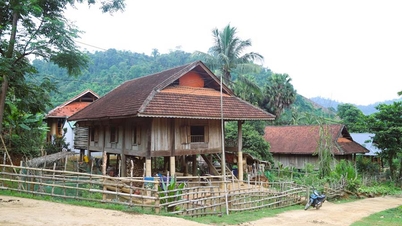
Following the merger, Tan Mai commune has a natural area of 130.71 km² and a population of 7,924 people, comprising many ethnic groups, with the Muong ethnic group accounting for nearly 60%. The commune's Party Committee currently has 34 branches and subordinate Party committees with 575 Party members. After its establishment, the Executive Committee of the commune's Party Committee focused on consolidating the organization, ensuring the smooth, stable, and people-oriented operation of the apparatus. Many socio -economic development targets for 2025 and the first quarter of 2026 were met and exceeded.
Specifically, in 2025, the value of production reached 120.98% of the plan; budget revenue reached 356.25%; food production reached 141.59%; income reached 112.27%; and the poverty reduction rate reached 105% of the plan. Digital transformation has seen significant progress, with 100% of agencies having digital infrastructure, a high rate of online application processing, and no overdue administrative procedures.
Despite the achievements, Tan Mai commune still faces many difficulties such as inconsistent transportation and telecommunications infrastructure; scattered office buildings; limited information technology application capacity among some officials; and a shortage of highly specialized human resources. The exploitation of potential in tourism , agriculture, forestry, and the lake economy has not been commensurate with its advantages.
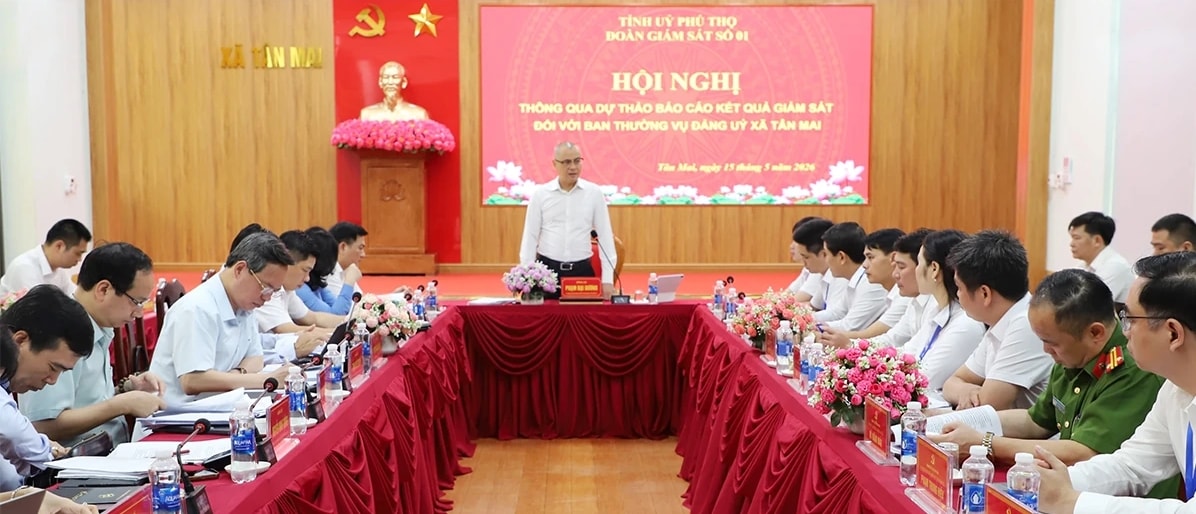
During the Provincial Party Standing Committee's monitoring session on the implementation of the Party's 14th National Congress Resolution, the Central Committee's resolutions, and the Provincial Party Congress Resolution for the 2025-2030 term, the Tan Mai Commune Party Committee proposed that the Central and Provincial authorities continue to refine specific mechanisms and policies for disadvantaged areas, focusing resources on developing connectivity infrastructure, digital transformation, and inter-regional commodity production; and ensuring sufficiently strong incentives to attract cadres to work in the locality, especially in areas with particularly difficult socio-economic conditions.
The locality also requested that the Provincial Party Committee and its Standing Committee direct the removal of bottlenecks in planning and high-quality human resources; strengthen professional human resources at the commune level; support investment in essential infrastructure, livelihood development, build effective economic models and attract strategic investors to promote rapid and sustainable growth; upgrade inter-regional transportation connections; prioritize public investment capital, complete residential infrastructure, and support poor households; promote digitalization, build model projects and supplement information technology human resources for the grassroots level.
Clearly identify the breakthroughs that will drive development.
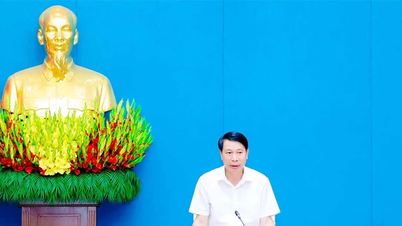
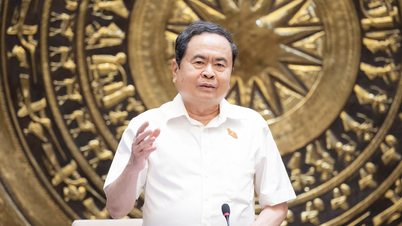
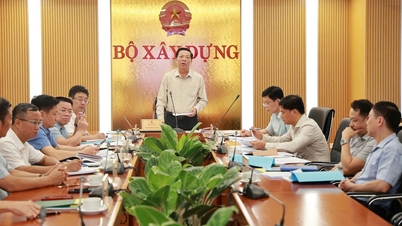
According to Pham Dai Duong, member of the Central Committee of the Party, Secretary of the Provincial Party Committee, and Head of the National Assembly Delegation of Phu Tho province, in the initial phase of operating the two-tiered local government model, despite being a newly established commune with many difficulties, the Party Committee and local government of Tan Mai commune have demonstrated high political determination, implemented resolutions systematically and scientifically, maintained political stability, and created consensus among the people.
The Provincial Party Secretary particularly appreciated the fact that Tan Mai commune has initially reformed its leadership methods towards "clear responsibilities, clear tasks, and clear accountability"; promoting digital transformation in governance, administrative reform, and service to the people. This is an important foundation for the locality to improve management effectiveness and create room for development in the coming period.
However, Tan Mai remains a particularly disadvantaged area with a low starting point, a high poverty rate, inadequate infrastructure, and slow progress in exploiting its tourism, service, and local economic potential. Therefore, the Provincial Party Secretary requested that the commune clearly identify its difficulties, accurately assess the quality of its staff to improve their capacity; clearly identify breakthrough areas; focus on developing transportation and digital infrastructure; and accelerate digital transformation in conjunction with administrative reform.
The Provincial Party Secretary also suggested that Tan Mai commune should turn difficulties into advantages, focusing on effectively exploiting its scenic advantages and ethnic cultural identity to develop community tourism and ecotourism; promote agricultural production linkages towards commercial goods, increasing income for the people; and at the same time strengthen inspection and supervision, tighten discipline and order, and build a strong political system from the grassroots level.
Regarding the local recommendations, the members of the supervisory delegation discussed and clarified the issues within the province's jurisdiction. For recommendations exceeding the province's authority, the delegation recorded and compiled them for reporting to the Central Government and relevant ministries and agencies for consideration and resolution in accordance with the actual conditions.
Source: https://daibieunhandan.vn/xa-tan-mai-phu-tho-xac-dinh-ro-cac-khau-dot-pha-de-phat-trien-10417095.html




















































































Comment (0)