Building an economic ecosystem for lotus
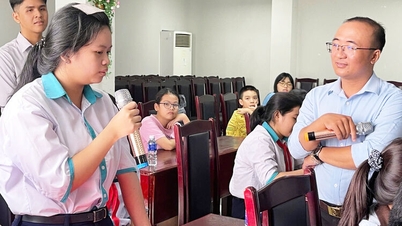
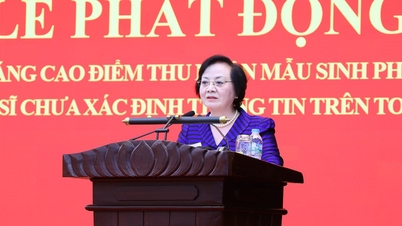
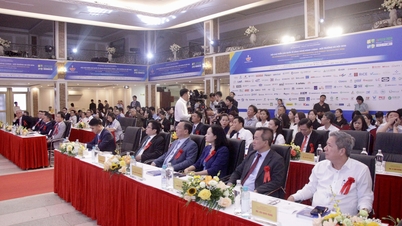
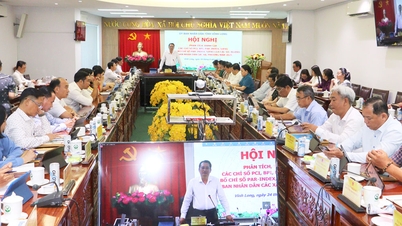
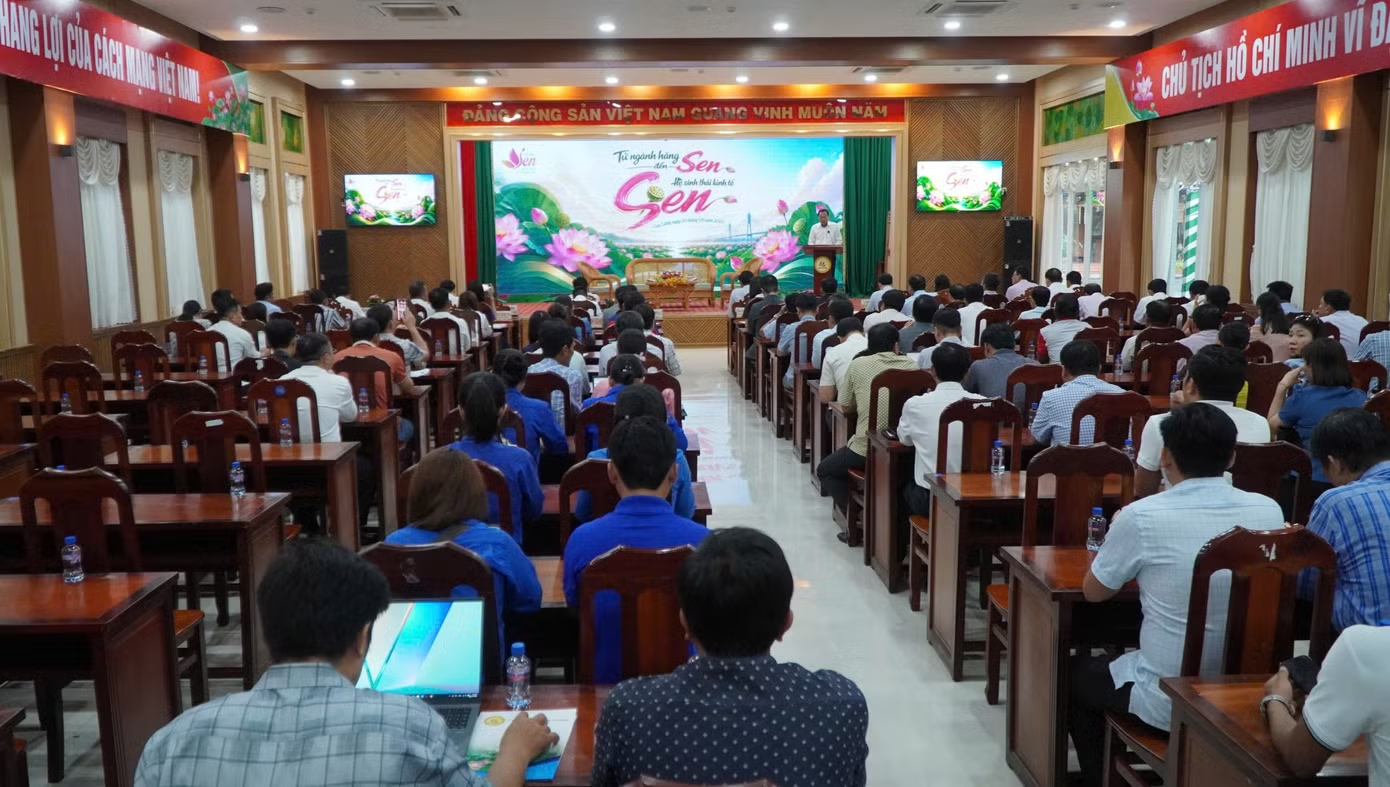
In his opening remarks at the workshop, Mr. Nguyen Hung Trang, Secretary of the Party Committee and Chairman of the People's Council of Cao Lanh Ward, emphasized that for generations, the lotus has not only been a characteristic flower but has also become an identity, a system of cultural values, and a symbol of the aspirations of the people of Dong Thap. Over the years, the lotus industry has made great strides with concentrated production areas, community tourism models, and especially with the geographical indication protection granted to lotus products.
However, Mr. Nguyen Hung Trang frankly acknowledged that these results are only the beginning. The potential and room for growth of lotus are still enormous, but for a long time we have been accustomed to viewing lotus from the perspective of a purely agricultural product, while the world is increasingly valuing its intangible assets.
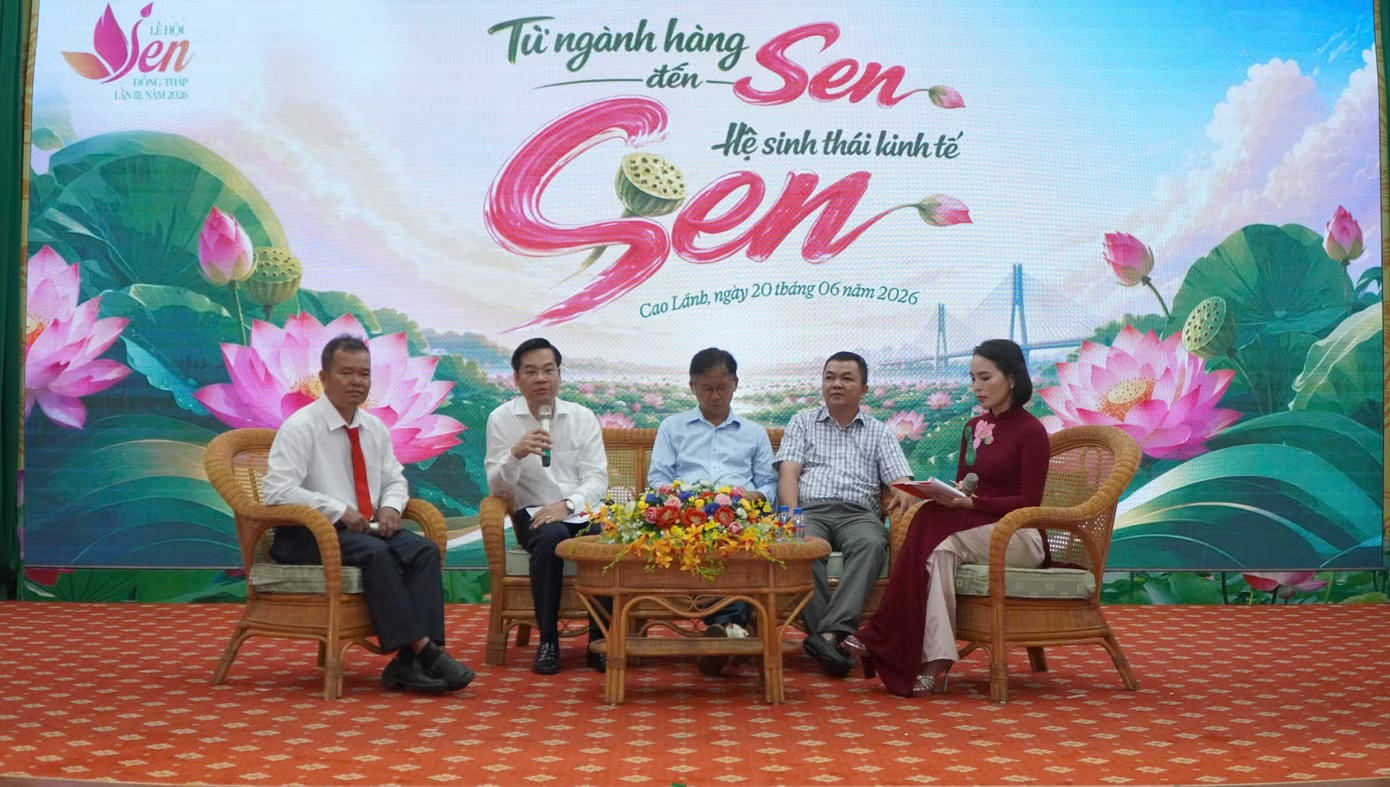
“It’s time we broadened our approach, shifting from a product development mindset to one focused on building a lotus economic ecosystem. This should involve production, processing, tourism, culture, healthcare, and digital technology working together to create value, so that each hectare of lotus not only produces agricultural products but also fosters pride in the land of the Pink Lotus,” Mr. Trang emphasized.
To realize this goal, the head of the Cao Lanh Ward Party Committee believes that the lotus industry in Dong Thap needs to implement three important transformations. First, it needs to shift from extensive to intensive development, using quality, standards, branding, and market trust as the foundation for competitiveness. Next, it needs to shift from an agricultural production mindset to an agricultural economic mindset, reorganizing the value chain according to market demand instead of focusing solely on production. Finally, it needs to shift from storytelling through emotions to storytelling through data; each growing area, each product, and each producer needs to be digitized, have clear traceability, and be able to tell its own story through images, videos, QR codes, and modern digital platforms.


When "Soft Infrastructure" Joins Hands with Processing Technology
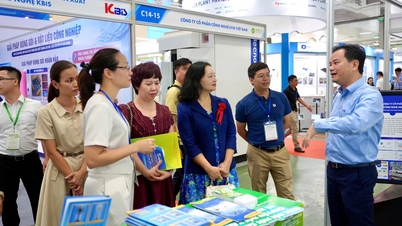
In agreement with the above perspective, experts and scientists have proposed many specific solutions to realize the value chain. From a management perspective, Mr. Do Trong Tuong – Deputy Director of the Department of Science and Technology of Dong Thap province – identified the geographical indication "Dong Thap" as an important "soft infrastructure". Effectively exploiting this infrastructure will help transform lotus from a characteristic agricultural product into an economic and cultural symbol with high competitiveness in the market.
To optimize this "soft infrastructure," Associate Professor Dr. Nguyen Minh Chon (Can Tho University) shared technical solutions for improving the quality of fresh lotus seeds through improved cultivation techniques. Simultaneously, experts noted that the lotus industry needs to break away from exploiting fresh products and move deeper into low-temperature drying technology, extracting active ingredients, and transforming lotus seeds, embryos, leaves, tubers, and flowers into raw materials for standardized medicinal products, functional foods, and bio-cosmetics.
Based on their business experience, representatives from Lotus Healthy Food Co., Ltd. and Sen Le Bo Household Business both affirmed that, with investment in circular processing technology, every part of the lotus plant, from the stem and leaves to the seed pod, can be transformed into high-value products serving creative industries and healthcare.
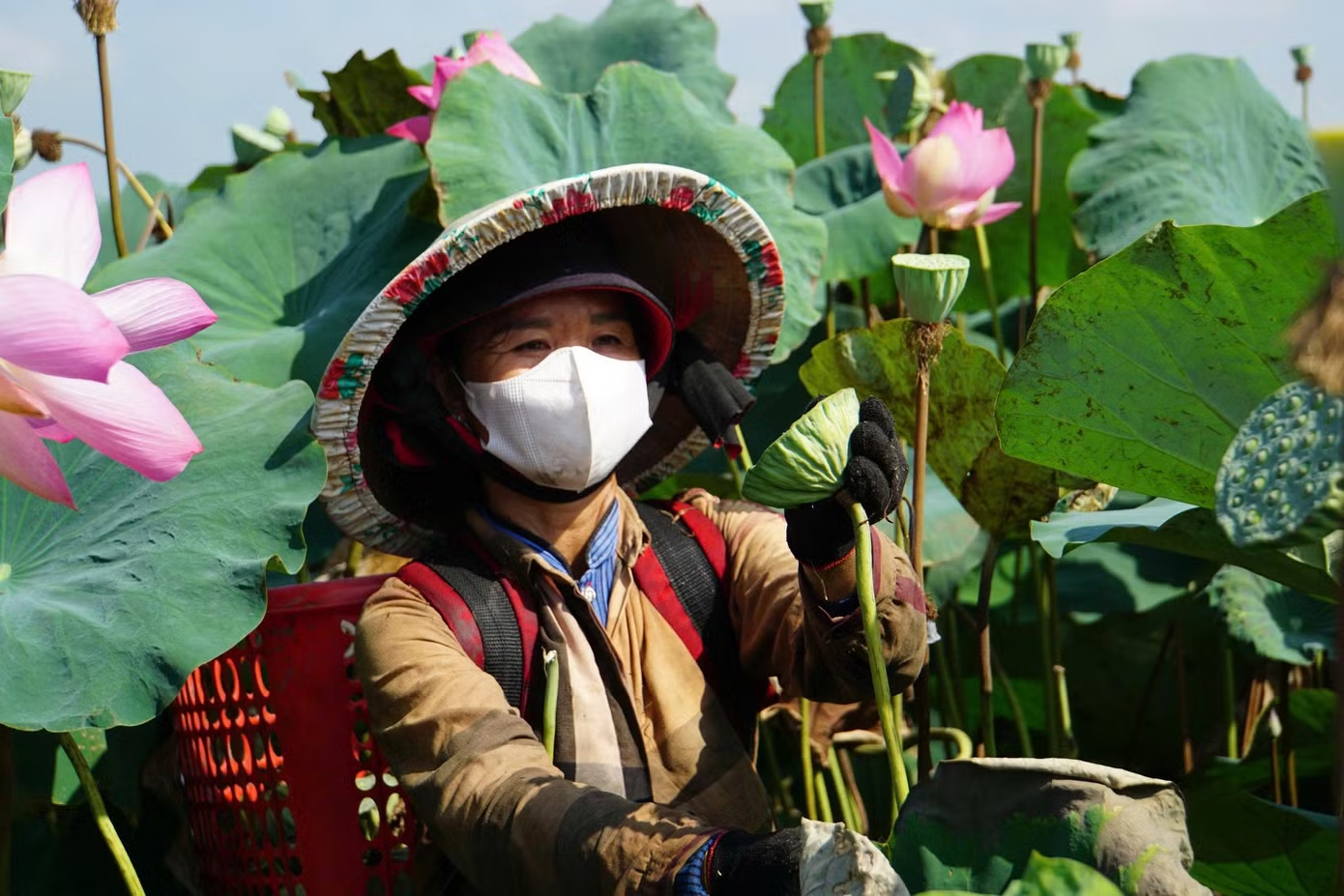
Exploring the digital space



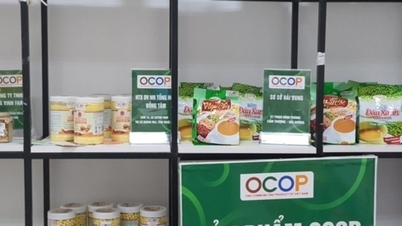
Another highlight of the workshop was the challenge of revitalizing tourism and trade services based on digital platforms. Expert Phan Yen Ly suggested that Dong Thap needs to shift from a simple lotus-themed tourism model to building a multi-value experiential ecosystem. In this ecosystem, the story of the lotus's journey from the growing region and farmers to OCOP products serves as a connecting thread to retain economic benefits for the local community.
In the digital age, the lotus story needs to be given wings by technology. Experts at the workshop agreed that, in addition to applying QR codes for traceability, the lotus industry in Dong Thap must proactively build a database of growing areas, develop digital content, multi-channel marketing, and apply artificial intelligence (AI) in product promotion. The lotus industry not only needs good products, but also needs to know how to "tell its brand story" using data to reach global consumers.
Source: https://tienphong.vn/xay-dung-he-sinh-thai-kinh-te-sen-dat-sen-hong-post1853162.tpo

![[Photo] Prime Minister Le Minh Hung presides over the thematic session on promoting science and technology development and innovation.](https://vphoto.vietnam.vn/thumb/1200x675/vietnam/resource/IMAGE/2026/06/23/1782207872934_ndo_br_dsc-1724-jpg.webp)


![[Image] Paris's oldest bridge goes viral after transforming into a giant cave.](https://vphoto.vietnam.vn/thumb/1200x675/vietnam/resource/IMAGE/2026/06/24/1782283441197_ndo_br_dsc05314-jpg.webp)