

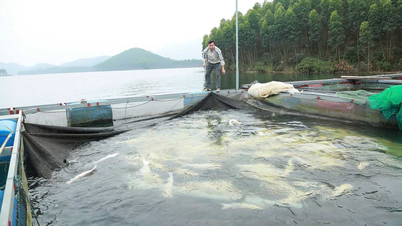
Aquaculture has the potential for growth of 8-10%.
According to data from the Vietnam Association of Seafood Processing and Export, seafood export turnover in April 2026 reached US$947.8 million, bringing the total export value for the first four months of the year to approximately US$3.7 billion, an increase of nearly 15% compared to the same period last year.
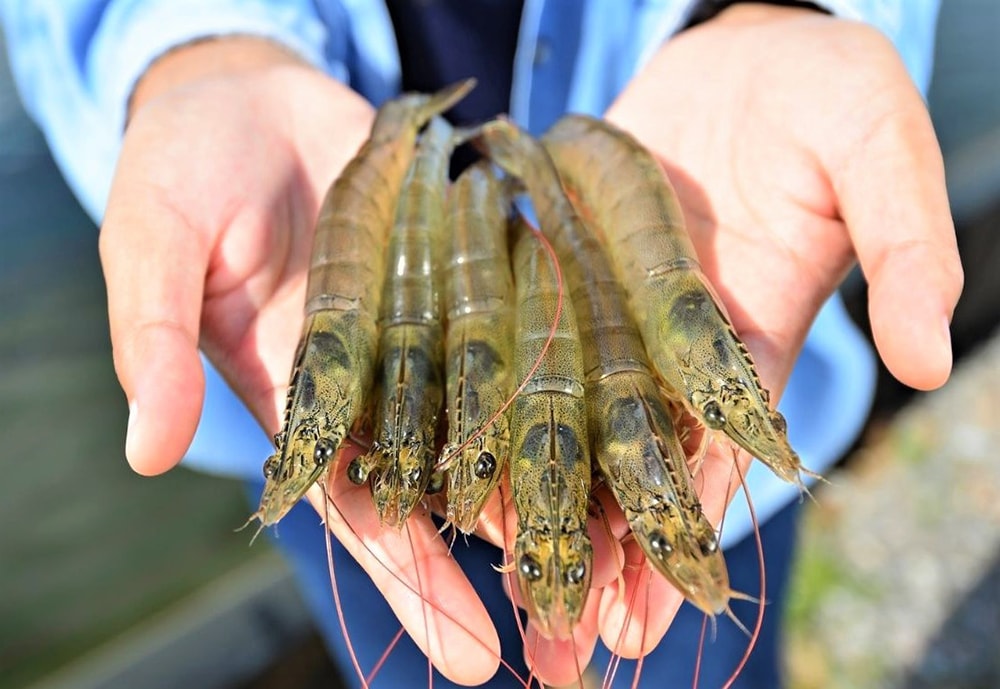
This upward trend reflects improving import demand in many major markets after a period of high inventories and weak purchasing power that lasted from 2024 through the first half of 2025. China continues to be the most prominent bright spot among them.
According to VASEP, China currently accounts for 26.7% of Vietnam's total seafood export turnover and is the fastest-growing market among the top 15 key export markets, with a growth rate of 52.3% compared to the same period last year. Japan ranks second with a share of 13.8%, a slight increase of 1.8%. Meanwhile, the United States - a market that had led for many years - decreased by 7.4%, becoming the only major market to record negative growth in the first months of the year.
According to VASEP General Secretary Nguyen Hoai Nam, the fisheries sector still has a chance to achieve its growth target of 8-10%, corresponding to export turnover of over 12 billion USD this year, if it receives timely support from the Government , ministries, and localities.
Experts believe that Vietnam's seafood industry still has enormous growth potential thanks to the advantages from new-generation trade agreements such as EVFTA, CPTPP, UKVFTA, and RCEP. These agreements are helping Vietnamese seafood products expand their access to markets with high consumption levels and preferential tariff rates.
Furthermore, the demand for processed seafood is increasing in many markets, especially for high value-added products, green products, environmentally friendly products, and those with transparent traceability. This is an advantage for Vietnamese businesses as the industry is accelerating investment in processing technology, automation, and digital transformation.
VASEP proposes a series of solutions to overcome difficulties.
However, VASEP also stated that businesses are facing numerous pressures such as raw material shortages, labor shortages, high production costs, disease outbreaks, and trade defense investigations from importing markets. In addition, there are increasingly stringent technical requirements, environmental standards, traceability requirements, and import regulations from major markets. In particular, combating IUU (Illegal, Unreported, and Unregulated) fishing remains a key requirement for seafood exports to the EU.
Given the current difficulties, VASEP recommends that the Ministry of Agriculture and Environment promptly amend Circular No. 81/2025 and Circular No. 74/2025 to resolve obstacles in exporting harvested seafood to the EU and US markets. Accordingly, it is necessary to promote the digitalization of processes, simplify documentation, and standardize implementation methods across localities to reduce processing time and minimize costs for businesses.
For small-scale fishing, procedural reforms need to ensure that traceability requirements are met while maintaining the livelihoods of fishermen.
Regarding combating IUU (Illegal, Unreported, and Unregulated) fishing, VASEP proposes reviewing the concept of "full container load" for imported seafood to better align with current trade realities. Simultaneously, it recommends adjusting regulations on fishing zone zoning to be more flexible and better suited to the actual conditions of domestic fisheries. Specifically, many fishing vessels over 15 meters long have small engines and limited offshore capabilities; forcing them to operate further offshore would significantly increase production costs and impact the supply of legally sourced raw materials for export processing.
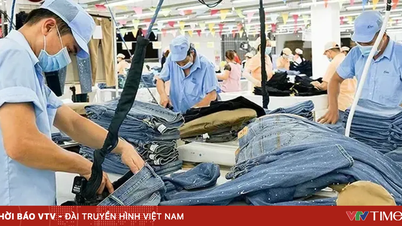
To stabilize the workforce and avoid the risk of production capacity disruptions during a market recovery period, the Association proposes that the Government and local authorities should implement solutions to limit the mass export of labor from areas experiencing labor shortages. Simultaneously, rational planning of industries within the same area is necessary to prevent localized labor competition between sectors.
In addition, VASEP proposed the development of a comprehensive program to ensure the stable supply of raw materials and human resources for the entire industry. Specifically, it is necessary to simultaneously improve the quality of breeding stock, control diseases, reduce production costs, and continue investing in fisheries infrastructure, fishing ports, fishing vessel monitoring systems, and traceability databases to combat IUU fishing.
Furthermore, the Association also recommended amending regulations in the Food Safety Law and the Environmental Protection Law towards risk management, increasing post-inspection instead of excessive pre-inspection. Some businesses proposed flexible mechanisms for connecting to or being exempt from connecting to centralized wastewater treatment systems if they have already invested in standard treatment systems with automatic monitoring.
From a market support perspective, VASEP recommends continuing to maintain preferential credit packages for the agricultural, forestry, and fisheries sectors, while strengthening economic diplomacy and trade promotion in key markets such as the United States, the EU, China, Japan, South Korea, and the Middle East.
According to the seafood business community, in the context of volatile global trade and increasing technical barriers, institutional reforms, reduced compliance costs, and support for businesses to enhance their competitiveness will be key factors for the seafood industry to maintain sustainable growth in the future.
Source: https://daibieunhandan.vn/xuat-khau-thuy-san-don-co-hoi-phuc-hoi-10417257.html




![[Image] Hanoi's urban life under the challenge of a "scorching hot" environment](https://vphoto.vietnam.vn/thumb/1200x675/vietnam/resource/IMAGE/2026/05/25/1779706979265_nang-nong-t5-2026-minh-duy-7-4636-jpg.webp)
![[Image] Close-up view of the interchange connecting the two expressways and Long Thanh Airport.](https://vphoto.vietnam.vn/thumb/1200x675/vietnam/resource/IMAGE/2026/05/25/1779703378210_ndo_br_z7863716673926-224453a31600126cce10622af6290afd-4549-jpg.webp)















































































Comment (0)