

Choosing the right time to walk can have surprising benefits for overall health, especially cardiovascular health. Particularly for older adults, certain times of day can help strengthen muscles and aid in weight loss.
- 1. The best times to go for a walk
- 1.1 Is walking early in the morning good for you?
- 1.2 Best times to walk for cardiovascular health
- 1.3 Should you take a walk before bed?
- 2. Is walking good for your health?
Each time slot for walking or exercising offers different health benefits. Every day, our bodies move according to our circadian rhythm, and factors such as respiration, reflexes, hormones, and energy storage affect our bodily functions.
1. The best times to go for a walk
One of the factors affecting exercise or walking is body temperature. Body temperature tends to rise between 5 PM and 7 PM and gradually decrease while we sleep. Body temperature can fluctuate by as much as 0.9 degrees Celsius depending on the time of day. Experts recommend that when body temperature is warm enough, it is the best time to walk and exercise.

Walking is a suitable form of exercise for older adults, but choosing the right time of day is also very important.
1.1 Is walking early in the morning good for you?
Many middle-aged and elderly people choose to walk early in the morning because they often have the habit of waking up early or are easily awakened. However, walking early in the morning offers many health benefits for the elderly. Studies have shown that physical activities such as walking, jogging, cycling, etc., when done early in the morning, can help reduce appetite while still boosting energy levels.
On the other hand, walking between 5 AM and 8 AM is when the body's testosterone levels peak, which helps build muscle. For older adults, exercising during this time can also enhance muscle development. The endorphins produced during this period also help improve mood, reduce anxiety, and alleviate depression.
To make morning walks and exercise effective, older adults should pay attention to choosing a diet rich in protein to maintain and preserve muscle mass.
However, older adults should note that in the morning, their body temperature is low, and exercising immediately can lead to muscle stiffness and increase the risk of injury. Therefore, when walking early in the morning, older adults should allow their bodies to gradually adapt to the outside temperature to minimize negative health effects.
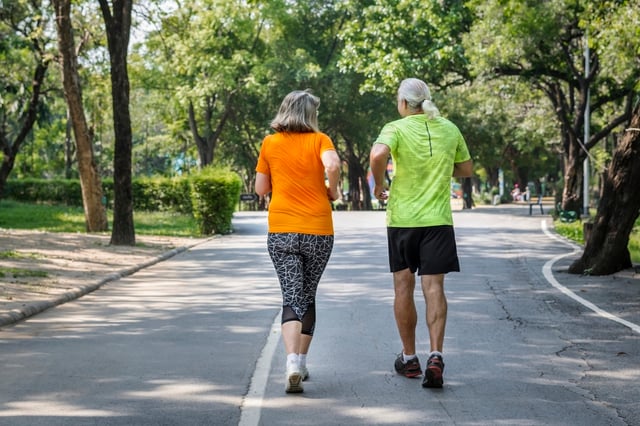
Walking in the afternoon can help increase the effectiveness of your workout, support cardiovascular health, and build muscle.
1.2 Best times to walk for cardiovascular health
If you don't have the time or opportunity to walk early in the morning, you can choose some late afternoon or evening hours for exercise. After a long day of activity and work, your body still has enough energy for exercise or walking to improve your health. Moreover, in the afternoon, muscle strength and flexibility are factors that make it easier for the elderly to exercise compared to early morning.

After midday, the hormones epinephrine and norepinephrine in the body reach their maximum levels. At this time, the heart pumps blood more efficiently, pain relief is more effective, and mood is improved. Testosterone and cortisol levels in your body reach ideal levels in the afternoon. This helps with protein synthesis, muscle building, and improved resistance. Additionally, body temperature at this time helps prevent accidental injuries. The afternoon also gives you more time to prepare thoroughly for your walk compared to the short morning hours.
1.3 Should you take a walk before bed?
Is walking in the evening before bed good? Many elderly people think that walking or exercising before bed will help them sleep better and more soundly. However, if you exercise incorrectly, it can overstimulate the nervous system and have the opposite effect. So, is walking in the evening good? In the evening, the lower light can make it difficult for the elderly to determine direction and terrain. Therefore, the evening, especially late at night (after 9 PM), is not the ideal time for elderly people to walk.
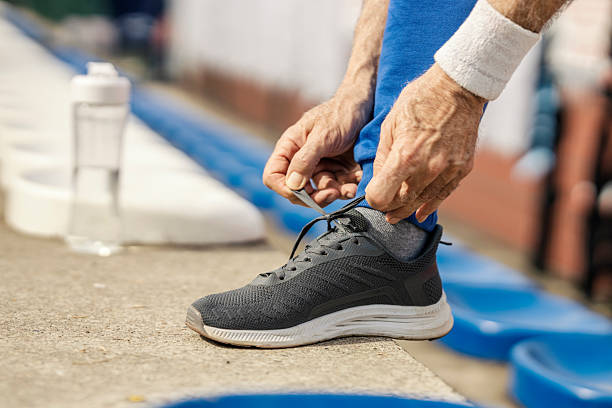
Maintaining a daily walking routine can offer numerous benefits for the cardiovascular system, bones and joints, and mental well-being of older adults.
2. Is walking good for your health?
According to recommendations, older adults should maintain at least 30 minutes of moderate-intensity exercise daily. Older adults can choose activities such as walking, cycling, or yoga to improve their physical condition. Is walking good for cardiovascular health? Here are some health benefits that walking offers to older adults:
- Improve cardiovascular health. Walking helps blood circulate better throughout the body, thereby boosting metabolism and protecting cardiovascular health. This is a way to reduce the risk of or better manage cardiovascular diseases such as hypertension, stroke, and heart attack.
- Protect your bones and joints. As you age, improper movement can lead to injuries, especially to the musculoskeletal system. Walking helps increase bone density and makes bones stronger.
- Sleep better. Older adults often experience sleep problems, and walking is one way to help you sleep better and improve your mental health.
- Reduces the risk of developing cancer and chronic diseases.
In summary, older adults should choose exercise times that suit their schedules and circadian rhythms. Each time slot has its advantages and disadvantages, and older adults need to choose one that fits their daily routine.
Source: https://suckhoedoisong.vn/2-khung-gio-di-bo-tot-nhat-cho-nguoi-cao-tuoi-169260517212213153.htm



![[Image] Close-up view of the interchange connecting the two expressways and Long Thanh Airport.](https://vphoto.vietnam.vn/thumb/1200x675/vietnam/resource/IMAGE/2026/05/25/1779703378210_ndo_br_z7863716673926-224453a31600126cce10622af6290afd-4549-jpg.webp)

![[Image] Hanoi's urban life under the challenge of a "scorching hot" environment](https://vphoto.vietnam.vn/thumb/1200x675/vietnam/resource/IMAGE/2026/05/25/1779706979265_nang-nong-t5-2026-minh-duy-7-4636-jpg.webp)































































































Comment (0)