

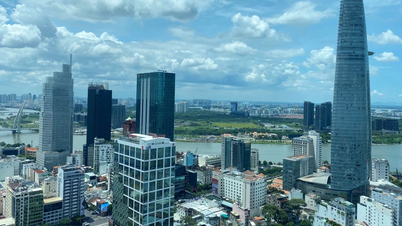
(NLĐO) – Ho Chi Minh City is one of the leading localities in the research, application, and development of AI, but there is still much untapped potential.
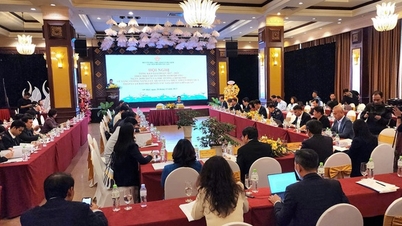
This was the statement made by Mr. Lam Dinh Thang, Director of the Department of Information and Communications of Ho Chi Minh City, at the "Development of Artificial Intelligence (AI) Human Resources" conference in 2024, held on the morning of December 24th at the University of Science - Vietnam National University Ho Chi Minh City.
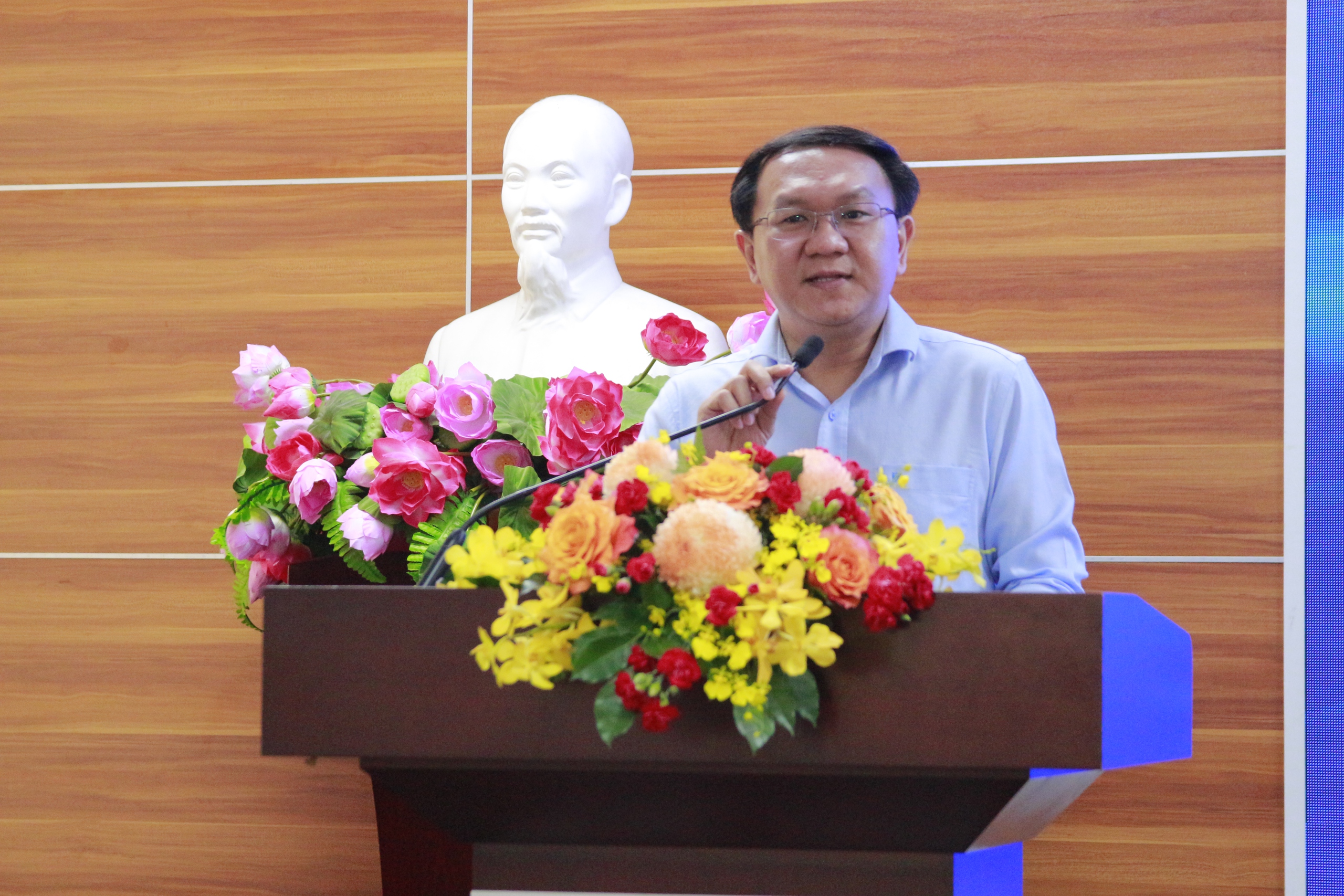
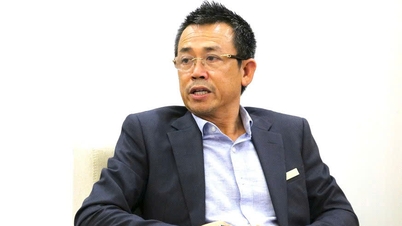
Mr. Lam Dinh Thang, Director of the Department of Information and Communications of Ho Chi Minh City, spoke about four groups of needs that Ho Chi Minh City is currently focusing on related to AI.
According to Lam Dinh Thang, Director of the Department of Information and Communications, for two consecutive years, Ho Chi Minh City has chosen digital transformation as one of the important contents of the city's development theme. The selection of this theme shows that digital transformation is both a goal and a method for the city's development in socio -economic fields…
According to Mr. Lam Dinh Thang, the Management Board of the Center for the Fourth Industrial Revolution has confirmed that Vietnam is the second country in Southeast Asia (after Malaysia) to establish such a center. The Board met and decided to organize 20 key activities across six fields by 2025, with AI and the development of an AI ecosystem being the top priority. Furthermore, the upcoming International Economic Forum in Ho Chi Minh City will also feature AI as its main theme.
"The AI landscape in Ho Chi Minh City will soon be broad, developing deeply and rapidly. If we are not prepared in terms of policies, training, and capacity, we will certainly not keep up with other countries in the region and will be left behind," Mr. Thang emphasized.
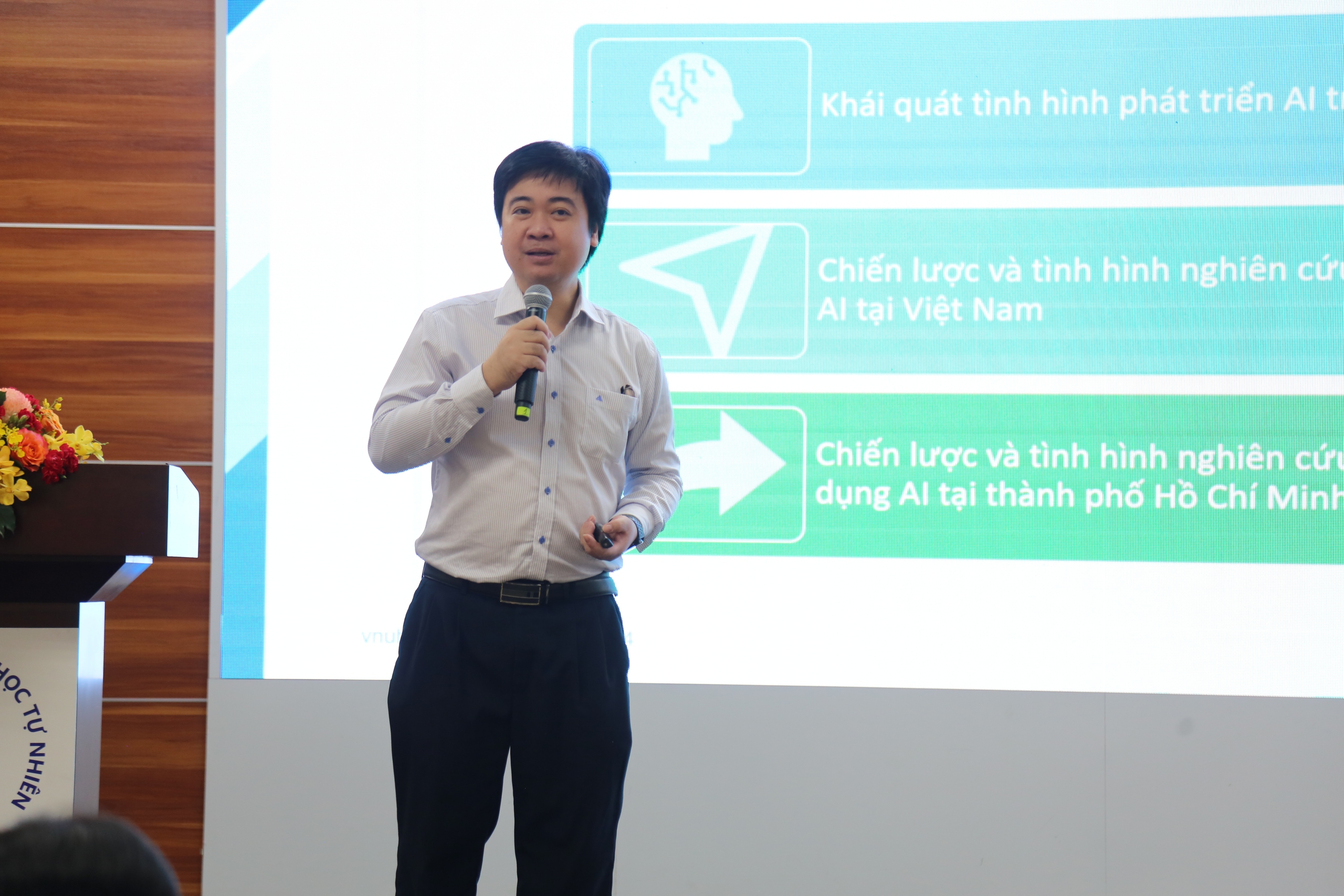
Associate Professor Tran Minh Triet, Vice Rector of the University of Science - Vietnam National University Ho Chi Minh City, presented a paper titled "Cooperation in the Training, Development, and Nurturing of Human Resources in Artificial Intelligence".
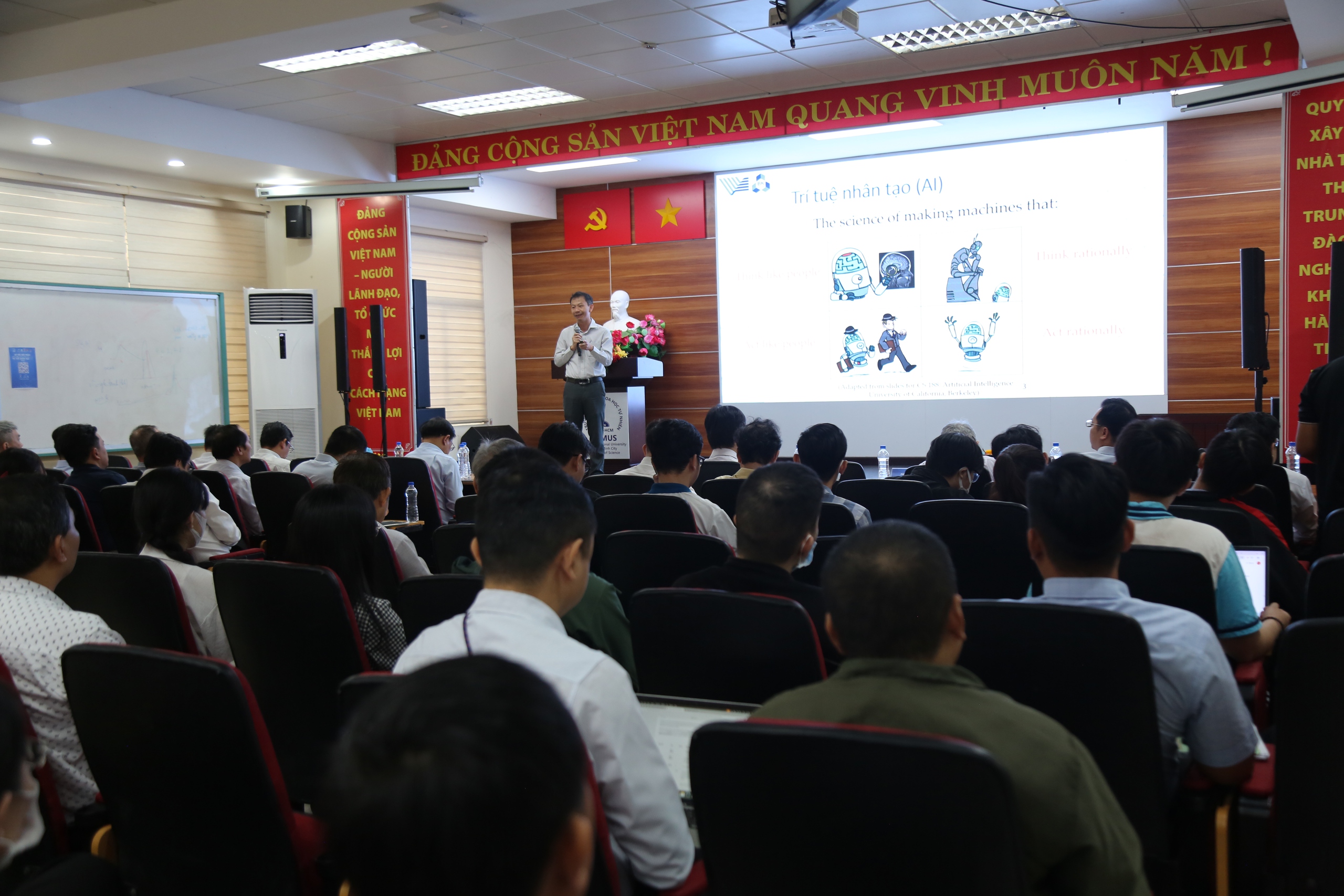
Associate Professor Pham Tran Vu, Vice Rector of the University of Technology - VNU-HCM, presented a专题 (special topic) on "Training AI Human Resources in the Current Context".
Mr. Thang pointed out four groups of AI-related needs that Ho Chi Minh City urgently needs to develop, including: applications for modern city governance and smart cities; using AI tools to increase the productivity of the state government apparatus; increasing the productivity and efficiency of city businesses; and applying AI to public services for citizens.
At the workshop, Associate Professor Dr. Nguyen Van Vu, Deputy Head of the Faculty of Information Technology, University of Science - Vietnam National University Ho Chi Minh City, stated that Ho Chi Minh City currently has approximately 2,000 AI professionals.
"According to research, Ho Chi Minh City's AI workforce needs are as follows: From 2021-2025, approximately 5,500 people are needed; from 2025-2030, 11,000 people are needed; and from 2031-2025, up to 18,000 people are needed. However, the number of enrollment slots for this field in Ho Chi Minh City is currently only about 800," Mr. Vu informed.
Mr. Vu believes that the current training capacity of universities does not meet the needs of the labor market. Training internationally qualified human resources in AI plays a decisive role in implementing the city's AI policies. According to him, the Vietnam National University Ho Chi Minh City and other training units need to have strategies and plans to strengthen training and research in this field.
The workshop "Developing Human Resources in Artificial Intelligence" was organized by the Department of Information and Communications in collaboration with the Vietnam National University Ho Chi Minh City, the Department of Science and Technology, and the Ho Chi Minh City Youth Union. After one month of implementation, the organizing committee received 44 papers from 70 authors from 24 units.
The workshop focused on discussing issues such as: practical solutions for developing human resources for AI research and development in the future; building high-performance computing infrastructure to serve AI research and development from the perspective of technology companies; and developing AI applications to improve labor productivity and better serve people, organizations, and businesses.
Source: https://nld.com.vn/4-nhom-nhu-cau-ve-tri-tue-nhan-tao-ma-tp-hcm-dang-rat-can-196241224123525405.htm










































































Comment (0)