Prolonged loneliness can impair memory and learning abilities, make people more prone to negativity, and reduce their trust in others.
According to the American Psychological Association, loneliness can cause health problems. When lonely, the brain is in a state of alertness and threat, hindering thinking and perception.
Contributing to a reduction in awareness.
Changes in the brain can occur when people are lonely. A study published in the New England Journal of Medicine in 2019 tracked the health of nine explorers living in isolation in Antarctica for 14 months. Researchers found that a part of the explorers' brains, the dentate gyrus, shrank by about 7%. The hippocampus, which includes the dentate gyrus, is involved in learning and memory.
The explorers also had reduced levels of BDNF protein in their blood. BDNF is a brain-derived neurotrophic factor that plays a role in regulating stress and memory. A decrease in this protein can also reduce the volume of the odontogenic cortex. As a result, their performance on memory and spatial processing tests was worse.
Another study in 2019 involving over 11,000 people by the London School of Economics and Political Science and the University of Essex (UK) also found similar results. People with high levels of loneliness experienced above-average cognitive decline on memory tests.
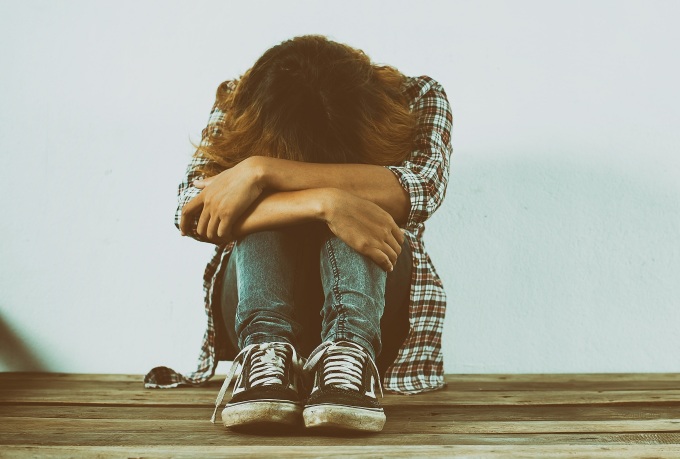
Prolonged loneliness impairs the brain's memory function. Photo: Freepik


It triggers a neurological response similar to the feeling of hunger.
Loneliness can trigger neurological responses in the brain similar to those experienced when hungry and wanting to eat. In 2020, neuroscientists at the Massachusetts Institute of Technology (MIT) conducted research on how loneliness and social isolation affect the brain and mind.
Forty people aged 18-40 underwent 10 hours of social isolation (each person isolated individually) and functional magnetic resonance imaging (fMRI) of the brain. Afterward, each person fasted for 10 hours and underwent another fMRI. The results showed that the neurological signs of loneliness experienced during isolation were similar to those experienced during hunger and cravings. The neurological states of these two conditions were identical.
Researchers suggest that when people are lonely, brain regions associated with feelings, reflection, and stress light up, signaling a need for more social connection.
Easily negative
A 2016 study by the University of Chicago and the University of California (USA) on 488 people indicated that feelings of loneliness make us more prone to negativity. fMRI experiments showed that the brain was more activated to respond to negative stimuli than positive ones when lonely. This is a self-protective response of the brain.
According to a 2020 study by the American College of Social Work, lonely people tend to be overly vigilant about potential threats. 7,500 older adults participated in the study, answering survey questions. The responses indicated that lonely people tend to be more vulnerable and act more negatively, further isolating themselves from those around them. This negative thinking pattern can create a vicious cycle.
Having little trust in others.



Lonely people tend to be more wary of threats around them, leading to a loss of trust in others. Researchers at the University Hospital of Bonn (Germany) conducted an experiment with over 3,600 adults, including 42 who were regularly lonely. Specifically, participants were given a sum of money, which would multiply if they gave it away and the recipient returned it.
The results showed that lonely people are less likely to share with others. fMRI brain scans revealed that lonely people showed less activity in brain regions associated with trust.
Mai Cat (According to Everyday Health )
| Readers can post questions about neurological diseases here for doctors to answer. |
Source link

![[Image] National conference summarizing one year of operation of the overall organizational model of the political system, the three-tiered government model.](https://vphoto.vietnam.vn/thumb/1200x675/vietnam/resource/IMAGE/2026/07/01/1782882811691_ndo_br_1-jpg.webp)