

The increasing incidence of heart disease at younger ages is particularly evident in people living in high-stress environments, who are sedentary, smoke, or have unhealthy diets. The danger is that warning signs of heart disease aren't always obvious at age 30, according to the health website Verywell Health (USA).

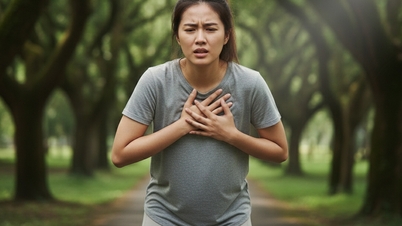
People in their 30s should get a cardiovascular check-up if they frequently experience shortness of breath or difficulty breathing.
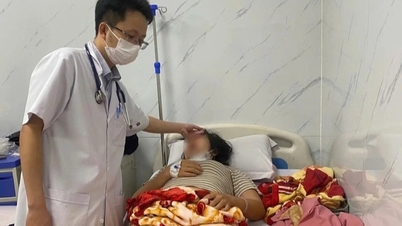
ILLUSTRATIVE PHOTO: AI
Warning signs of heart problems in people in their 30s include:
Shortness of breath during daily activities can be a sign of serious heart disease.
If you find yourself easily breathless or short of breath when walking slowly, doing light housework, or climbing a few stairs, this could be an early sign of heart failure or coronary artery blockage. Shortness of breath due to heart problems usually occurs when the heart is unable to pump enough blood to the lungs, leaving the lungs without enough oxygen to maintain normal breathing.
Patients may experience feelings of suffocation, chest tightness, or difficulty breathing without a clear cause. Young people, in particular, should not be complacent if these symptoms appear, even if they were previously in good physical condition.
Dizziness, loss of balance
Feelings of dizziness, lightheadedness, or unsteadiness can also be related to cardiovascular problems, particularly arrhythmias or sudden drops in blood pressure due to the heart not pumping enough blood to the brain.
These symptoms occur when blood flow to the brain is interrupted, causing temporary loss of consciousness or dizziness. Worryingly, many young people often ignore them or attribute them to lack of sleep or stress.
Therefore, young people should see a doctor as soon as possible if they experience recurring dizziness, especially when walking, standing, or exerting themselves, accompanied by an abnormally fast heartbeat.
Feeling tired despite getting enough rest.
Feeling tired is a common phenomenon in modern life. However, if fatigue occurs frequently, even to the point of exhaustion despite getting enough sleep and not overworking, it could be an early sign of heart disease, especially in women.
The American Heart Association (AHA) advises that one of the early signs of a heart attack in women is unexplained excessive fatigue. This is because the heart is not pumping enough blood to nourish the body, forcing the body to work harder to maintain activity, thus creating a persistent feeling of fatigue.
Discomfort in the jaw and neck.
Not everyone who is about to have a heart attack feels chest pain. Some people, especially women and young people, will feel a vague pain in their jaw, neck, or upper back.
The pain is radiating, dull, or feels like something is pressing down on you. This sensation often appears during exertion and disappears with rest. This is a typical symptom of myocardial ischemia, which means the heart muscle doesn't receive enough oxygen, leading to pain in the areas surrounding the heart, according to Verywell Health.
Source: https://thanhnien.vn/4-trieu-chung-tham-lang-cua-benh-tim-o-nguoi-trong-do-tuoi-30-18525072812000263.htm
![[Photo] Prime Minister Pham Minh Chinh presides over a meeting on private sector economic development.](/_next/image?url=https%3A%2F%2Fvphoto.vietnam.vn%2Fthumb%2F1200x675%2Fvietnam%2Fresource%2FIMAGE%2F2025%2F12%2F20%2F1766237501876_thiet-ke-chua-co-ten-40-png.webp&w=3840&q=75)

























































































Comment (0)