

Blood pressure typically rises in the early morning, remains stable throughout the day, and decreases at night to allow the heart and blood vessels to rest, according to The Times of India .
For people with high blood pressure, diabetes, sleep disorders, or heart disease, recognizing these changes is crucial.
Blood pressure increases in the early morning.
According to experts, the period between 6 and 9 a.m. typically sees the highest blood pressure levels of the day. This time marks the transition from sleep to wakefulness. The body needs to prepare for physical and mental activity, so hormones like cortisol and adrenaline surge. This increase causes the heart rate to quicken and blood vessels to constrict, thereby raising blood pressure.
According to the American Heart Association Journals, the day-night shift is most pronounced in the morning. People with underlying conditions such as hypertension or diabetes are more susceptible because their hearts and blood vessels are under greater stress at the start of the day.
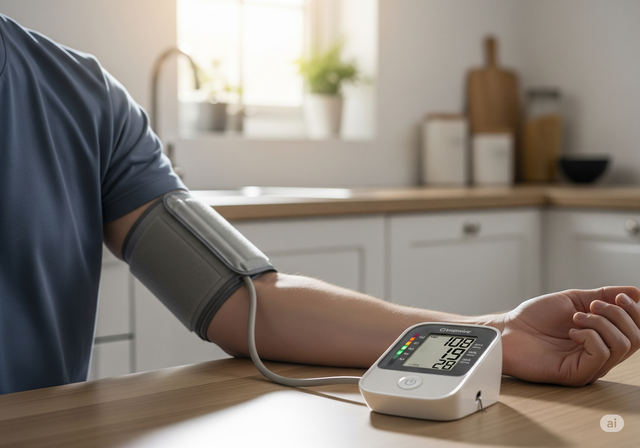
The period between 6 and 9 a.m. typically sees the highest blood pressure levels of the day.
Photo: AI
Blood pressure stabilizes at noon.
After a sharp increase in the morning, blood pressure stabilizes from late morning to early afternoon.
This phase reflects normal daily activities such as work, commuting, light exercise, and information processing. These activities stimulate the cardiovascular system to function steadily but without overloading it.
However, many daytime habits can cause a temporary increase in blood pressure. Stress at work, dehydration, excessive caffeine consumption, skipping meals, or prolonged sitting can all cause blood pressure readings to fluctuate.
By late afternoon, blood pressure tends to decrease slightly as the body enters a relaxed state.
Blood pressure drops at night.
During sleep, the body enters a phase of natural blood pressure reduction. According to data from PubMed Central, the reduction is typically between 10-20%. This is a necessary process to help the heart and blood vessels recover after a day of activity.
Some people don't experience this decrease. Conditions like diabetes, kidney disease, sleep apnea, or autonomic nervous system disorders can cause blood pressure to remain high at night.
Irregular sleep patterns, late-night screen time, or poor sleep quality can also affect and increase nighttime blood pressure.
Understanding the circadian rhythm of blood pressure provides an opportunity to protect cardiovascular health. Individuals at high risk or undergoing treatment for hypertension can be more proactive in managing their health. This also helps prevent complications, stabilize blood pressure levels, and maintain safe cardiovascular health every day.
Source: https://thanhnien.vn/huyet-ap-dat-dinh-vao-thoi-diem-nao-185251210215146879.htm



































![[Video] The craft of making Dong Ho folk paintings has been inscribed by UNESCO on the List of Crafts in Need of Urgent Safeguarding.](https://vphoto.vietnam.vn/thumb/402x226/vietnam/resource/IMAGE/2025/12/10/1765350246533_tranh-dong-ho-734-jpg.webp)





























































Comment (0)